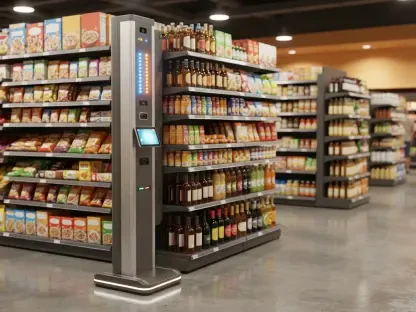
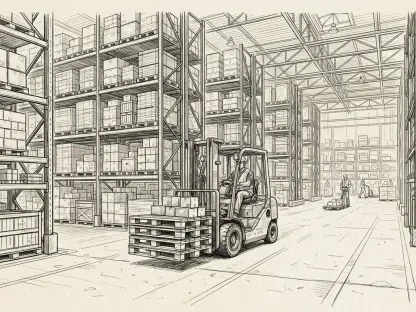
The massive compression of global retail activity during high-velocity sales events often functions as a digital tsunami that separates resilient backend architectures from fragile systems. During these peak demand periods, the density of traffic and the speed of transactions can overwhelm even

The rapid migration of generative artificial intelligence from isolated web-based chat interfaces to the physical aisles of massive retail warehouses has fundamentally rewritten the rules of consumer engagement and operational efficiency. This technological transition represents a shift from a
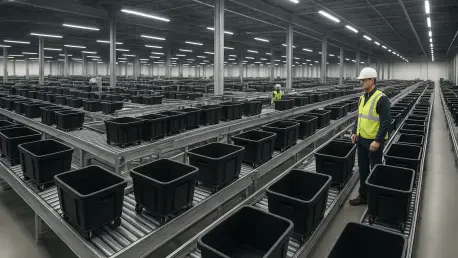
The rapid transformation of urban mobility has redefined the humble rolling tote from a forgotten grocery accessory into a high-fashion necessity for the modern city dweller. This cultural shift reflects a growing demand for products that bridge the gap between industrial utility and high-end

Our retail expert, Zainab Hussain, joins us today to break down the volatile state of the modern storefront. As an e-commerce strategist with a deep background in customer engagement and operations management, she has a front-row seat to the growing friction between digital promises and physical
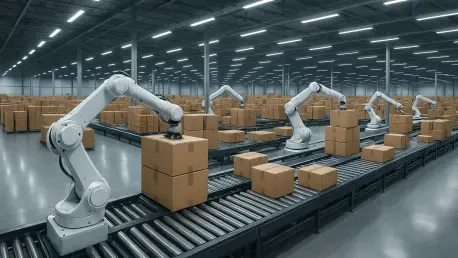
Zainab Hussain is a seasoned e-commerce strategist who has navigated the complexities of large-scale retail operations and digital transformations. Today, we delve into the shifting landscape of wholesale distribution, examining how structural optimizations, technological integration like AI, and

The transition from experimental digital pilots to fully integrated operational logic has fundamentally redefined how storefronts and supply chains function in the marketplace. While early iterations of automation focused on simple, rule-based tasks, the current landscape emphasizes Pragmatic AI—a