
The retail environment is currently grappling with an unprecedented surge in data complexity that often outpaces the analytical capabilities of traditional management systems. The strategic roadmap for ‘Uvance for Retail’ involves optimizing the entire supply chain to eliminate waste and prevent frequent product stockouts. By introducing a suite of four specialized AI agents, Fujitsu Limited is fundamentally altering how organizations interpret market signals and internal performance metrics. This initiative aims to bridge the gap between massive, underutilized data repositories and the actionable business intelligence required for modern success. Rather than relying on historical intuition or slow-moving spreadsheets, these agents provide a real-time bridge to data-driven precision. The goal is to enhance store-level productivity while boosting corporate profitability. These tools offer a robust way for companies to maintain operational agility in a rapidly changing world.
Specialized Operational Agents
Sales and Loyalty Intelligence
The Sales Structure Analysis Agent functions as the primary diagnostic core of the platform by deconstructing gross sales into highly granular elements. This allows businesses to visualize specific imbalances that might otherwise remain hidden within top-line figures. By identifying precise growth opportunities, the agent recommends measures to maximize profit margins while providing a forecast of the expected impact. Area managers can utilize this intelligence to compare store performance objectively and adjust product assortments in real-time, ensuring that inventory aligns with actual demand. This level of transparency effectively eliminates the guesswork that has historically plagued regional retail management. Furthermore, the ability to simulate the outcomes of different business strategies before they are implemented reduces the financial risk associated with large-scale inventory shifts. The agent empowers decision-makers to act with total confidence and speed across the entire enterprise.
Complementing the focus on sales metrics is the Customer Loyalty Analysis Agent, which shifts the perspective from product movement to human behavior. Instead of merely tracking visit frequency, this agent analyzes deep behavioral patterns to uncover the specific motivations behind why customers choose certain brands or stores. It identifies subtle, hidden factors that may lead to customer attrition or shifts in purchasing motivation, allowing marketing teams to intervene before a customer is lost. By leveraging these insights, retailers can develop hyper-personalized service improvements that transform casual shoppers into high-value, loyal brand advocates. This proactive approach to retention is essential in a market where customer acquisition costs continue to rise. Understanding the “why” behind the data allows for more empathetic and effective engagement strategies. Ultimately, this agent ensures that the human element of retail is enhanced through more relevant and timely interactions.
Merchandising and Store Support
Merchandising has long been a labor-intensive aspect of retail, requiring teams of specialists to manually synthesize market trends and historical performance. The Sales Planning Agent automates this process by integrating vast datasets, including competitive intelligence and historical sales curves, to formulate comprehensive merchandising plans. This automation extends to managing inventory allocation across diverse geographic locations, ensuring that stock levels remain balanced. If a particular item begins to underperform or shows signs of an impending stockout, the agent suggests immediate inventory transfers between locations to stabilize the supply chain. This dynamic reallocation prevents lost sales and reduces the need for aggressive markdowns at the end of a season. By removing the administrative burden of data compilation, merchandising teams can focus more on creative assortment planning and trend spotting. The result is a more responsive inventory management cycle that adapts to market changes.
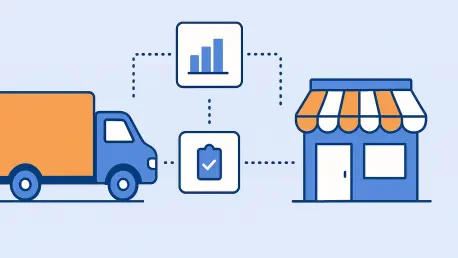
At the front lines, the Store Manager Support Agent serves as a digital assistant that bridges the gap between corporate strategy and local execution. This tool merges internal sales data with external variables such as hyper-local demographics, real-time weather patterns, and trending social media topics. By analyzing these disparate inputs, the agent suggests the most effective shelf displays and product mixes for a specific day or week. This significantly reduces the store manager’s reliance on “gut feelings” or historical precedent, which may no longer be accurate in a volatile market. Automating the analytical heavy lifting allows managers to spend more time on high-value tasks, such as staff development and improving the direct customer experience on the sales floor. When store-level operations are backed by data-driven recommendations, the consistency of the shopping experience improves. This technology transforms the role of the manager from a data processor to a leader.
Technological Infrastructure
Data Harmonization Platform
The effectiveness of these specialized AI agents is dependent on the underlying AI Execution Platform, which serves as a centralized hub for the entire retail ecosystem. This infrastructure is designed to harmonize disparate data sources, ranging from legacy point-of-sale systems to modern social media feeds and supply chain tracking logs. By providing a standardized environment for data storage and processing, the platform ensures that information is not siloed within individual departments. This seamless integration is critical for creating a “single source of truth” that all agents can access simultaneously. Without such a foundation, the insights generated by AI would remain fragmented and potentially contradictory. The platform also includes robust access controls and security protocols to protect sensitive consumer information while maintaining high levels of availability. This structural integrity allows for the rapid synthesis of information required for high-level automation and accurate demand forecasting.
Beyond immediate implementation, the platform is engineered for long-term scalability through the Kozuchi AI framework. This modular design allows for the continuous development and integration of new tools as the needs of the retail sector evolve. As market conditions change or new technological breakthroughs occur, additional agents can be added to the existing business workflow without requiring a complete overhaul of the core infrastructure. This future-proofing strategy is essential for retailers who need to maintain a competitive edge without incurring the costs of repetitive system migrations. The Kozuchi framework provides a flexible environment where the AI can become increasingly sophisticated as it processes more historical and real-time data. Consequently, the system does not just solve today’s problems but prepares the organization for the next generation of challenges. By establishing a scalable foundation, Fujitsu ensures that its partners are always at the cutting edge.
Resilient Distribution Systems
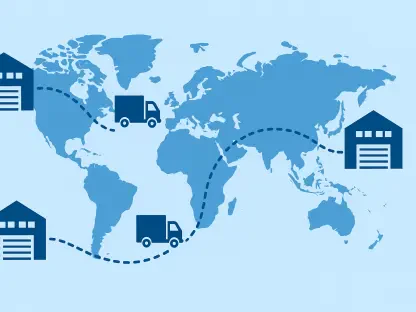
The vision for the Uvance for Retail platform extends far beyond the walls of individual stores to encompass the entire distribution network. By the middle of 2027, the goal is to create a “virtuous cycle” of data sharing that involves manufacturers, wholesalers, and logistics providers alongside retailers. This holistic approach aims to eliminate the traditional disconnects that lead to overproduction or missed opportunities. When data flows seamlessly between all players in the supply chain, the entire system becomes more resilient to shocks and changes in consumer demand. This level of connectivity is expected to significantly reduce environmental waste by ensuring that products are only manufactured and shipped where they are truly needed. For wholesalers, this means more accurate ordering cycles, while manufacturers gain a clearer view of long-term demand trends. By integrating these various stakeholders into a unified ecosystem, Fujitsu is facilitating a new era of collaboration.
The implementation of these AI agents marked a significant milestone in the shift toward a more intelligent and responsive retail sector. Organizations that participated in the initial trials observed that moving away from manual data processing allowed their teams to focus on strategic innovation. To prepare for the full commercial rollout, retailers evaluated their current data architectures to ensure they could support the integration of advanced agentic systems. It became clear that the successful adoption of these tools required a cultural shift alongside technological investment, as staff learned to trust automated recommendations. Leaders who prioritized data hygiene and cross-departmental collaboration found themselves better positioned to capitalize on the insights provided by the AI Execution Platform. These developments suggested that the future of retail would be defined by the ability to act on intelligence in real-time. By laying this groundwork, businesses built necessary resilience.