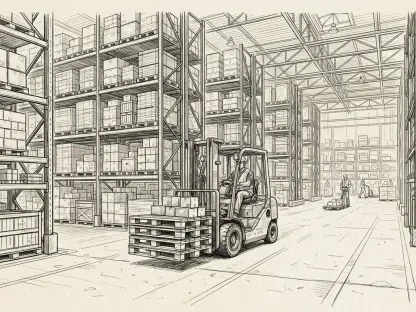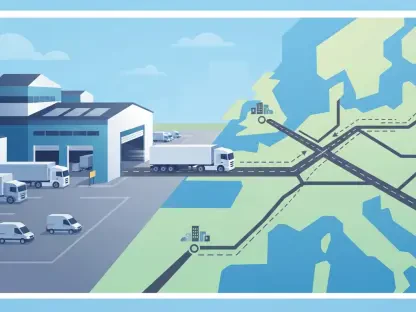

The rapid consolidation of the European logistics sector has reached a tipping point where the traditional dominance of Western distribution centers is being eclipsed by a powerful eastern neighbor. Poland transitioned from a domestic-focused market to a sophisticated regional distribution hub. Today, the landscape is defined by 38 million square meters of modern warehouse space, providing a physical foundation few other nations can match. This vast inventory allows the country to serve as a critical bridge connecting Western European consumers with high-growth markets in the East.
Geographic centrality has become a massive competitive asset. By situating operations here, global giants and regional experts effectively bypass the congestion of traditional transit points. Major players like SHEIN have anchored their continental expansion in this region. The integration of advanced infrastructure and streamlined cross-border operations has turned the nation into a primary fulfillment engine, ensuring the flow of goods remains uninterrupted during peak demand.
The Transformation of Poland Into Europe’s Premier Logistics Powerhouse
Logistics operators have moved beyond simple storage to offer integrated value-added services. The current real estate landscape reflects a high standard of automation and energy efficiency. This modernization has attracted a diverse array of businesses seeking to optimize their supply chains. The synergy between government-backed infrastructure projects and private investment has created a resilient network capable of handling massive volumes.
The importance of being near high-growth Eastern markets cannot be overstated. As digital adoption increases in neighboring countries, the strategic value of Polish hubs increases. This allows for a more balanced distribution network across the continent, reducing the reliance on older, more expensive hubs in the West. The focus has moved toward a model where speed and flexibility are the primary drivers of location selection.
Drivers of Growth and the Shifting Landscape of Continental Distribution
Strategic Motivations and the Rise of Logistics Multi-Tool Hubs
Post-Brexit shifts forced UK businesses to reconsider distribution to avoid the friction of individual border checks for every parcel. By establishing centers in Poland, companies import bulk shipments once and distribute them seamlessly to the European Union. This centralization minimizes customs delays and provides a stable platform for accessing the single market. Similarly, firms from the Iberian Peninsula and Denmark use a second warehouse strategy, decentralizing stock to be closer to Central European demand.
Asian e-commerce leaders also launched a logistics offensive near Wrocław to shorten delivery windows for over 100 million customers. This allows international brands to compete with local retailers on speed and return efficiency. The increasing digital sophistication of consumers in the Baltics and Balkans has created a reliance on Polish fulfillment infrastructure. The industry now focuses on the total cost of fulfillment, prioritizing a location that can serve multiple markets from a single, unified inventory.
Market Performance Indicators and Projections for 2026 and Beyond
Statistical data reveals a consistent 5.5% annual increase in the supply of modern industrial and warehouse space, a trend set to continue from 2026 to 2028. This expansion is supported by the rapid growth of emerging markets like Romania and Bulgaria. As these nations see surges in e-commerce turnover, the role of a central gateway becomes more pronounced.
Reducing last-mile delivery costs and enhancing cross-border return handling are now the primary performance benchmarks. The reduction of transit times between hubs and end consumers has become a key driver for investment. Projections suggest that the efficiency of these operations will continue to improve as new technologies are integrated into the existing framework.
Overcoming Structural Hurdles and Operational Complexities
Expanding logistics sectors face the challenge of labor shortages, which necessitates innovative recruitment and automation. Warehouses must adapt to handle multi-currency and multi-language requirements for a diverse European clientele. This complexity requires advanced software solutions that can process orders from different regions simultaneously.
Solving the last-mile dilemma requires a deep understanding of local delivery preferences, which vary significantly across the continent. Technological solutions are now used to manage fragmented stock and optimize order cut-off times. These advancements ensure that packages leave the facility at high speed, regardless of the destination.
The Regulatory Framework and Its Impact on Cross-Border Trade
The regulatory environment plays a crucial role in shaping distribution strategies, particularly concerning EU VAT and customs regulations. Efficiency in compliance has made this region a preferred single entry point for international trade. These frameworks ensure a resilient supply chain that can withstand global economic disruptions.
Regulatory incentives for green logistics are driving the development of sustainable warehouse facilities across the region. Standardized digital documentation has also facilitated smoother transit between the UK and the European mainland. This alignment of standards reduces administrative burdens and speeds up the movement of goods.
The Future Frontier: Innovation and the Evolution of the Fulfillment Engine
The integration of artificial intelligence and high-level automation is essential for maintaining a competitive edge. Future developments are likely to include the rise of hyper-local micro-fulfillment centers that bring goods closer to urban consumers. This shift addresses the growing demand for rapid delivery in densely populated areas.
A strong move toward sustainable e-commerce is influencing how new infrastructure is planned and built. As global economic conditions evolve, the region is projected to remain the primary fulfillment engine for the continent. The focus on innovation ensures that the logistics sector can adapt to new technologies and changing consumer behaviors.
Synthesis of Poland’s Strategic Value and Industry Outlook
The investigation into European logistics trends confirmed that Poland established itself as an indispensable link in the global supply chain. The total cost of fulfillment advantage proved more significant than simple warehouse rental prices, leading to a migration of inventory from Western hubs. Strategic brands that prioritized a centralized network found that they could maintain better control over their European operations while reducing operational complexity.
The transition into a regional powerhouse provided the necessary resilience to navigate the shifting demands of the international market. Future investments were directed toward enhancing the synergy between technology and physical infrastructure. This evolution ensured that the heart of European e-commerce remained robust and capable of supporting the next wave of global trade expansion.