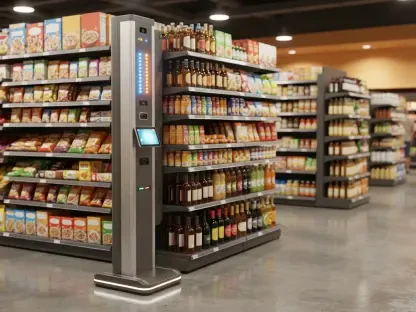

A customer standing at a payment counter while a terminal spins endlessly creates a silent drain on retail revenue and brand loyalty. In the current landscape of high-stakes retail, a delay of just a few seconds during a transaction can be the difference between a satisfied customer and an

Zainab Hussain is a distinguished e-commerce strategist with a deep-seated mastery of customer engagement and operational efficiency. Her expertise has been instrumental in helping brands navigate the complexities of global retail, particularly in the fast-evolving world of peer-to-peer

As the retail landscape undergoes a fundamental shift toward hyper-efficient supply chain management, Burlington Stores has officially unveiled its most advanced logistics hub to date in the heart of Georgia. This massive facility serves as a cornerstone for the company’s strategic expansion,
The recent decision by the Court of Justice of the European Union regarding Hungary’s domestic pricing mandates represents a monumental shift in the legal boundaries between national sovereignty and the collective economic framework of the single market. By invalidating the government's requirement

Zainab Hussain is a distinguished e-commerce strategist who specializes in the intricate balance between digital customer engagement and large-scale operations management. With a deep understanding of how supply chain modernization fuels retail success, she offers a unique perspective on how legacy

As an e-commerce strategist with deep roots in customer engagement and operations management, Zainab Hussain has spent years helping brands navigate the messy intersection of technology and human behavior. She understands that in the current retail climate, the buzz around artificial intelligence