
The traditional relationship between hardware retailers and professional contractors is undergoing a fundamental transformation as simple transactional exchanges evolve into deeply integrated business alliances. In an era where supply chain predictability and operational efficiency define the success of a construction firm, Home Depot is aggressively positioning its Pro Xtra loyalty program as more than just a points-based system. This strategic pivot aims to address the holistic needs of trade professionals who manage complex schedules, fluctuating material costs, and demanding client expectations. By moving beyond basic volume discounts, the retailer is attempting to embed itself into the very workflow of its business clients. This evolution suggests a present where a supplier acts as an auxiliary management office, providing not only the raw materials but also the data-driven insights and logistical support necessary to scale a professional operation in an increasingly competitive market.
Strategic Integration: Enhancing Operational Efficiency Through Logistics
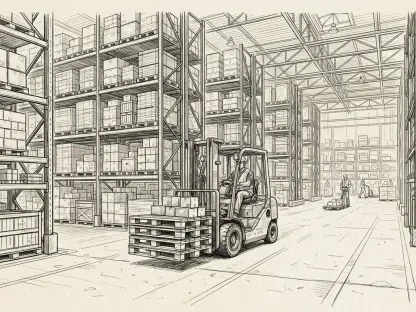
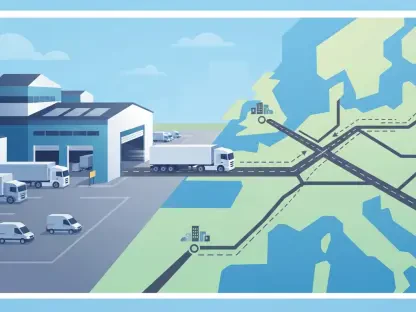
A significant component of this shift involves the massive investment in a specialized distribution network designed specifically to handle the bulky and high-volume orders common in large-scale professional projects. Home Depot has moved toward a hub-and-spoke model that prioritizes the delivery of heavy products like lumber, insulation, and roofing directly to job sites, bypassing the constraints of standard retail storefronts. This logistics-first approach acknowledges that for a general contractor, time spent navigating store aisles is essentially lost revenue. By providing guaranteed delivery windows and specialized fulfillment centers, the retailer is effectively removing the logistical burden from the shoulders of its business partners. Such a strategy ensures that material arrival is synchronized with labor schedules, reducing the downtime that often plagues construction projects. This level of operational synergy allows contractors to bid on larger jobs with the confidence that their supply chain can support them.
Beyond physical logistics, the integration of real-time inventory management tools through the Pro Xtra platform serves as a critical bridge between the warehouse and the job site. Professionals can now access specific stock levels across multiple locations, ensuring that localized shortages do not derail a critical phase of construction. This digital transparency is complemented by an advanced ordering system that allows for the pre-staging of materials, which can be picked up or delivered in a single, consolidated shipment. Such refinements in the procurement process represent a clear departure from the piecemeal shopping habits of the past, encouraging a more disciplined and forward-thinking approach to resource allocation. As contractors adopt these tools, they find that the retailer functions as an extension of their own inventory management team, providing a level of visibility that was previously reserved for large-scale enterprise builders. This partnership model fosters trust as the retailer takes on a proactive role in ensuring project continuity.
Digital Transformation: Financial Tools and Personalized Incentives
Financial flexibility remains a cornerstone of the professional relationship, and the expansion of credit solutions tailored to different business sizes reflects a more nuanced understanding of the construction industry. Home Depot has introduced tiered credit programs that offer extended payment terms and specialized financing for large-scale purchases, providing the necessary liquidity for contractors to manage their cash flow effectively during the development phases planned from 2026 to 2028. This is particularly vital in a market where labor and material costs must often be paid upfront, long before a client settles the final invoice. By offering these sophisticated financial instruments, the retailer mitigates the fiscal risks associated with growing a small business. Furthermore, the integration of purchase tracking and tax-exempt management within the Pro Xtra app simplifies the back-office administrative tasks that consume a contractor’s time. These features transform the rewards program into a business management suite.
Ultimately, the transition toward a holistic business partnership was achieved by aligning the retailer’s incentives with the long-term growth of its professional clients. Professionals who successfully leveraged these new rewards programs found that their ability to scale operations was significantly enhanced by the reduced administrative burden and improved logistical reliability. Moving forward, businesses should consider conducting a comprehensive audit of their current procurement workflows to identify areas where digital integration could replace manual processes. The implementation of automated material tracking and the utilization of specialized credit lines were proven methods to stabilize cash flow and improve project margins. Industry leaders recommended that contractors treat their primary suppliers not as mere vendors, but as strategic advisors who could provide valuable market data and operational support. By embracing this collaborative model, firms positioned themselves to navigate market volatility with greater resilience and long-term success.