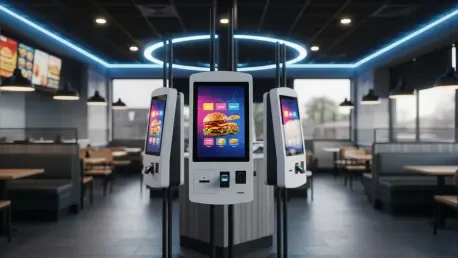
Modern retail floor plans are undergoing a quiet yet profound architectural revolution as the dominance of the traditional checkout counter yields to the ubiquitous glow of interactive kiosks. This structural transition from clerk-assisted models toward hybrid automated environments reflects a

The modern retail floor is often a chaotic intersection of supply chain disruptions, fluctuating consumer demand, and overwhelming data streams that frequently leave store managers relying more on gut instinct than actual insight. Eko Agentic Retail AI, developed by Amity Solutions, represents a

The contemporary retail environment has evolved into a complex network where human intuition is no longer sufficient to manage the massive datasets generated by modern consumer behaviors. The shift toward AI-driven operations represents a fundamental restructuring of the retail value chain, moving

The rapid metamorphosis of the retail environment across the Asia-Pacific region has reached a critical tipping point where traditional fragmented strategies no longer suffice for modern enterprise success. As urban centers in India, Singapore, and Southeast Asia grow increasingly dense, the

The silent erosion of a brand’s profitability often begins not with a failed marketing campaign, but with the subtle, invisible disappearance of products from digital shelves due to poor stock management. This financial drain is rarely loud; instead, it manifests as a quiet loss of customer trust

The moment a burgeoning direct-to-consumer brand transitions from shipping dozens of orders to thousands is often the exact point where operational efficiency begins to collapse under its own weight. This transition frequently reveals the scale paradox, a frustrating reality where business growth