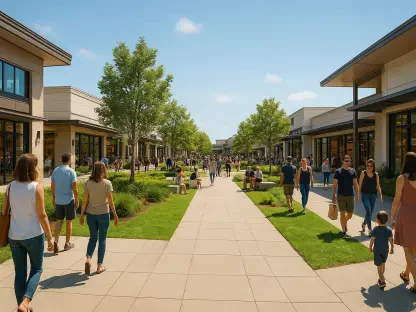

The removal of friction in the transition between digital and physical storefronts has become the primary benchmark for success in the modern omnichannel retail landscape. This evolution is particularly evident in how Pick n Pay Clothing has scaled its operations from a modest single-storefront

Bridging the Divide Between Traditional Retail and Autonomous Digital Ecosystems The contemporary North American retail landscape is currently defined by a fundamental transition from traditional digital storefronts toward sophisticated, autonomous ecosystems powered by artificial intelligence.

Before upgrading their infrastructure, store managers at WOW Concept had to wait a full week for disconnected spreadsheets to analyze floor traffic and conversion rates. This lag made it impossible to keep pace with the hyper-dynamic nature of their Madrid flagship stores, which operate as "living

The traditional retail landscape is currently experiencing a metamorphosis that prioritizes communal engagement over the simple exchange of currency for goods. Retailers are increasingly adopting circular economy principles by empowering customers to resell used items directly through dedicated
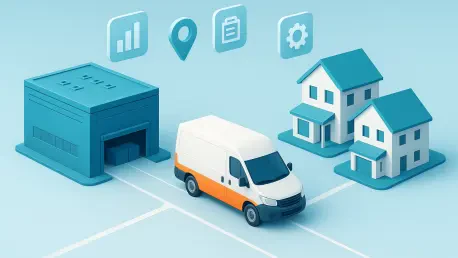
The upcoming entry of Tarlac MAC Enterprises into the Lazada ecosystem illustrates a growing trend of provincial retailers seeking to tap into the nationwide reach of a mature eCommerce infrastructure. This movement signifies a broader transformation within the Philippine economy, where the

Zainab Hussain is a distinguished e-commerce strategist whose deep understanding of consumer engagement and operations management has made her a leading voice in the evolution of modern retail. With years of experience navigating the shift from traditional brick-and-mortar models to the