
The traditional retail model has long suffered from a persistent information gap that separates the initial moment a customer crosses the physical threshold from the final digital transaction recorded at the point-of-sale terminal. While e-commerce platforms have provided granular data on user

The traditional digital shopping experience, characterized by rigid keyword searches and endless scrolling through static product grids, is rapidly being replaced by a more fluid and intuitive model known as agentic commerce. This fundamental shift allows sophisticated artificial intelligence

The unprecedented acceleration of global digital integration has fundamentally restructured the competitive landscape for small and medium-sized enterprises by removing traditional barriers to entry that once favored only multinational corporations. In a bustling workshop located in a secondary

The landscape of Australian retail is undergoing a radical transformation as the two dominant supermarket giants engage in a sophisticated struggle for the contents of every consumer's digital wallet. While price tags were once the primary weapon in this ongoing conflict, the focus has shifted
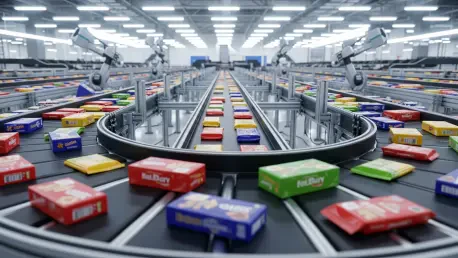
Global supply chain disruptions and skyrocketing raw material costs have forced iconic confectionery giants to rethink their traditional siloed operational models to maintain profitability in a volatile economic climate. The Hershey Company recently embarked on a comprehensive organizational

In the high-stakes environment of modern service management, a regional supervisor often arrives at their desk to find hundreds of unread customer reviews and feedback forms that require immediate attention but remain untouched due to lack of time. This overwhelming volume of information creates a