
The modern retail landscape has transformed into a high-stakes environment where a single disruption in a regional shipping lane can cascade into a nationwide inventory crisis within hours. Retailers are currently grappling with the immense challenge of aligning fragmented internal data with the increasingly erratic nature of consumer purchasing habits across digital and physical channels. This misalignment often stems from a reliance on legacy frameworks that were never designed to handle the velocity of modern commerce or the complexities of a globalized supply network. As a result, the ability to weave disparate data sources into a single, real-time intelligence stream has transitioned from a luxury to an absolute survival requirement for any organization hoping to maintain its market share. By focusing on advanced data architectures, businesses can finally move past the limitations of traditional logistics to build a more responsive and reliable retail ecosystem that can withstand the pressures of fluctuating demand and labor shortages while maintaining operational continuity.
Overcoming Data Fragmentation With Smart Architectures
Despite the vast amount of digital information available to modern enterprises, many organizations remain significantly paralyzed by data silos where critical insights are trapped within outdated legacy systems. These isolated pockets of information create a fractured view of the supply chain, making it nearly impossible for decision-makers to obtain a comprehensive understanding of their operational health. When logistics managers cannot see how a warehouse delay in one region affects fulfillment times in another, the entire organization suffers from a lack of agility. This transparency gap is particularly dangerous in 2026, as consumer expectations for instant delivery and perfect product availability have reached an all-time high. Without a unified perspective, retailers find themselves unable to reconcile their internal operations with the needs of their global trading partners, which leads to persistent organizational inertia and a loss of competitive positioning in an increasingly unforgiving and volatile market.
To effectively address these structural deficiencies, the implementation of a smart data fabric offers a sophisticated alternative to the traditional, and often disruptive, method of replacing existing technology stacks entirely. This innovative architecture allows companies to maintain their legacy applications while simultaneously harmonizing and normalizing data on demand from a wide variety of internal and external sources. By creating a standardized format that is accurate and accessible in real time, the fabric ensures that information is usable across every department, from procurement to customer service. This layer of abstraction eliminates the need for manual data cleaning and reconciliations, which historically consumed significant human resources and introduced errors. Consequently, the organization gains a cohesive digital foundation that supports rapid scaling and facilitates seamless collaboration with third-party logistics providers who require precise and timely updates.
Achieving Granular Visibility and Long-Term Resilience
Beyond simple data organization, these modern platforms embed machine learning and artificial intelligence directly into the core infrastructure to drive high-level predictive analytics. This fundamental transformation enables retailers to shift from merely observing historical trends to anticipating future supply chain disruptions long before they manifest as critical failures. For instance, AI-driven fabrics can analyze weather patterns, port congestion reports, and social media trends simultaneously to suggest proactive adjustments to shipping routes or inventory levels. This creates a highly interoperable environment where advanced intelligence informs every tactical decision, breaking down the barriers that previously hindered agile responses to market volatility. By leveraging these predictive models, businesses can reduce their reliance on reactionary measures and instead cultivate a supply chain that self-corrects based on real-time environmental data and fluctuating cost factors.
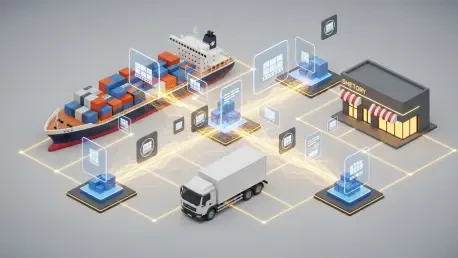
The practical impact of this technology is perhaps most visible in the deployment of advanced control towers that provide end-to-end visibility across the entire supply network. Retailers can now monitor stocking levels with granular precision, tracking assets from large-scale warehouse pallets down to individual items on a retail store shelf in a different city. This level of accuracy allows for real-time inventory rebalancing, which ensures that if a specific urban center sees a sudden spike in demand for a certain product, the system can automatically adjust fulfillment strategies. This prevents stockouts and overstock situations, both of which are detrimental to the bottom line and customer satisfaction. By maintaining this constant pulse on the movement of goods, companies can ensure that their logistics operations are as lean as possible without sacrificing the resilience needed to handle unexpected surges in volume or shipping delays.
Securing Future Growth Through Strategic Data Integration
Establishing this level of internal efficiency directly impacts the ability of a retailer to foster sustainable brand loyalty among a discerning and increasingly impatient consumer base. In an environment where shoppers have zero tolerance for stockouts or delayed deliveries, the precision provided by a smart data fabric becomes the primary driver of customer retention. When a retailer can promise and deliver a specific item across any channel with absolute certainty, they build a level of trust that traditional logistics models simply could not support. This reliability allows marketing teams to launch hyper-localized campaigns with the confidence that the advertised inventory is physically present in the target region. Furthermore, the data gathered through these seamless transactions provides deep insights into shifting preferences, allowing for a more personalized shopping experience that anticipates what a customer wants before they even realize it themselves.
The successful implementation of a unified data strategy relied on a clear roadmap that prioritized long-term resilience over short-term fixes during a period of intense global volatility. Organizations began by conducting thorough audits of their existing data infrastructure to identify the most critical points of friction within their supply networks. They then deployed smart data fabrics that acted as an intelligent overlay, harmonizing disparate systems without requiring the total replacement of foundational legacy software. This approach enabled a faster time-to-value, as teams were able to leverage predictive insights and real-time visibility within months rather than years. By fostering a culture of data-driven decision-making, these businesses ensured that every employee was empowered to act on accurate information. Ultimately, this digital transformation provided the necessary agility to navigate economic shifts and solidified the supply chain.