
The traditional paradigm of the British holiday commercial is undergoing a radical transformation as retailers pivot away from the tear-jerking, sentimental narratives of the past in favor of gritty, humorous realism that emphasizes the long-term functional value of luxury beauty products. As the current retail climate in 2026 becomes increasingly defined by discerning consumer habits, the annual festive marketing blitz has evolved into a high-stakes demonstration of brand utility. The United Kingdom festive retail sector continues to be one of the most sophisticated markets in the world, where the typical “Christmas Ad” serves as a major cultural event. However, the focus has shifted significantly toward demonstrating how products integrate into a modern lifestyle that values wellness, self-care, and technological efficacy.
The competitive landscape in 2026 is no longer just about who can tell the most heart-wrenching story but rather who can provide the most compelling reason for a product to exist in a customer’s daily routine beyond the holiday season. Beauty and wellness have emerged as the primary engines of this seasonal economy, serving as a intersection for innovative product design and personalized retail experiences. In this environment, retailers like Boots are leveraging their deep heritage in the pharmacy and beauty space to position themselves as indispensable partners in a shopper’s quest for practical luxury. This strategic orientation acknowledges that while the holidays are a time of giving, the modern consumer is looking for gifts that possess a certain longevity and a clear “afterlife” once the festivities conclude.
The Evolution of the UK Festive Retail Landscape
The British festive retail sector remains a global benchmark for marketing excellence, though the strategies deployed in 2026 are notably different from those seen at the start of the decade. Historically, the season was dominated by high-budget, cinematic productions that aimed for emotional resonance through nostalgic imagery. While these elements have not vanished entirely, they are now frequently augmented by a pragmatism that reflects a more sophisticated omnichannel environment. Consumers are interacting with brands across a multitude of digital touchpoints before ever stepping into a physical store, requiring a narrative that is both flexible and energetic.
Retailers are currently balancing high-concept storytelling with the logistical demands of a fast-paced shopping season. The “Give it Some Boots” platform, which serves as the foundation for the current holiday campaign, exemplifies this shift by prioritizing confidence and brand personality over traditional sentimentality. This approach acknowledges that beauty and wellness are deeply personal categories. By focusing on products that recipients will genuinely use and perhaps even become humorously obsessed with, the brand taps into a recognizable cultural truth about the satisfaction of receiving something that actually works. This shift helps the retailer stand out in a saturated market where every brand is vying for a moment of the consumer’s limited attention.
Strategic Shifts and Market Forecasts for 2026
Emerging Consumer Trends Toward Longevity and Utility
Shoppers in 2026 are demonstrating a clear preference for gifts that offer sustained value, moving away from the “throwaway” novelties that once characterized the holiday season. There is a growing demand for high-consideration products that promise clinical efficacy or professional-grade results at home, such as advanced LED therapy masks or high-end hair styling tools. This trend reflects a broader cultural movement toward “premiumization,” where consumers are willing to spend more on individual items that they perceive as long-term investments in their own well-being or appearance.
The concept of the “gift afterlife” has become a central pillar of marketing strategy. Brands are now tasked with proving that their products will not simply gather dust after Boxing Day but will instead become essential components of a morning or evening ritual. This focus on utility serves to justify higher price points during a time when households are carefully managing their discretionary spending. By highlighting the daily use of items like the Shark Cryoglow or the No7 Future Renew collection, retailers provide the rationalization necessary for a high-value purchase, bridging the gap between emotional desire and practical necessity.
Market Projections for the Beauty and Wellness Gifting Sector
Current data indicates that the beauty and wellness sector will maintain robust growth patterns from 2026 through 2029, driven by innovations in at-home technology and a continued focus on self-care. Projections suggest that the market for smart beauty devices is expanding as consumers seek to replicate salon-quality treatments in their own homes. Retailers that can effectively market these items as “new favorite habits” are expected to capture a significant portion of the projected multi-billion pound holiday spend. This growth is further supported by the rise of social commerce, where influencers and real-world users demonstrate the tangible benefits of these products in real-time.
Performance indicators suggest that the most successful brands this season will be those that employ a liquid, multi-platform digital strategy. From 2026 onward, the integration of streaming services, social media search placements, and interactive digital guides has become the standard for reaching diverse audience segments. By deploying targeted content on platforms like TikTok and Reddit, retailers are able to influence the discovery phase of the shopping journey, ensuring that their products are at the top of digital wish lists long before the December rush begins.
Navigating the Challenges of Festive Marketing Saturation
The most significant obstacle for any retailer during the final quarter is achieving “cut-through” in an incredibly noisy media environment. As every brand increases its advertising spend, the risk of narrative fatigue becomes a tangible threat to campaign effectiveness. To combat this, the 2026 marketing strategy emphasizes humor and hyperbolic realism as a way to differentiate from the sea of emotional tropes. By presenting scenarios that are intentionally absurd—such as wearing an LED face mask while taking out the trash—the campaign breaks the traditional mold of festive advertising and creates a memorable brand identity.
Another challenge involves managing the tension between luxury aspirational messaging and the consumer’s demand for tangible value. While shoppers are attracted to the prestige of high-end brands, they are equally concerned with the utility of their purchases. Successful strategies in 2026 involve grounding these aspirational products in relatable, often funny, real-world contexts. This validates the investment by showing that even the most advanced beauty tools can fit into a mundane daily schedule. This approach helps demystify high-tech beauty, making it feel accessible and essential rather than just a seasonal extravagance.
Regulatory Standards and Ethical Marketing Practices
As the marketplace becomes increasingly digital-centric, retailers must navigate a complex web of advertising standards and data privacy regulations. In 2026, compliance regarding product claims is more scrutinized than ever, particularly for health and beauty items that promise specific clinical outcomes. Retailers are required to ensure that their marketing materials are transparent and backed by verifiable data to maintain consumer trust. This is especially critical when deploying sophisticated tracking and personalized gift curation via social platforms, where the line between helpful recommendation and intrusive advertising must be carefully managed.
Sustainability has also moved from a niche concern to a non-negotiable requirement for the modern consumer. Retailers are under significant pressure to ensure that their “utility-focused” campaigns do not promote excessive consumption or contribute to environmental waste. This involves a closer look at packaging, the recyclability of electronics, and the overall longevity of the products being promoted. Campaigns that emphasize the “gift afterlife” align well with these values, as they promote the idea of buying fewer, better things that will be used for years rather than discarded after a single season.
Future Outlook: The Intersection of Humor, Tech, and Retail
Disruptors and the Future of Shopper Engagement
The future of holiday retail is being shaped by the seamless integration of entertainment and functional technology. Emerging tools such as augmented reality for virtual try-on experiences and AI-driven gift curation are becoming standard features of the retail journey in 2026. These technologies do more than just facilitate a sale; they enhance the engagement level of the consumer by making the shopping process more interactive and personalized. We are seeing a move toward marketing that feels like a lifestyle partnership, where humor and cultural insights are used to build a lasting brand personality that resonates with the consumer’s daily reality.
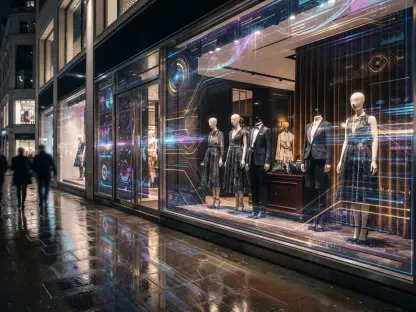
The role of physical retail is also evolving to complement these digital advancements. Special builds and experiential installations in major shopping hubs, like Westfield White City, provide a tangible touchpoint for a campaign that may have started on a smartphone screen. These physical spaces allow consumers to interact with products in a high-energy environment, reinforcing the brand’s position as a leader in the beauty and wellness space. This hybrid approach ensures that the brand remains visible and relevant regardless of how or where the consumer chooses to shop.
Long-Term Growth Areas in the Wellness Economy
As the definition of “gift utility” continues to expand, long-term growth is expected to concentrate in products that bridge the gap between clinical health and luxury self-care. Innovation in fields like LED light therapy, smart styling tools that prevent heat damage, and regenerative skincare formulations will remain at the forefront of the industry. These items are no longer seen as mere accessories but as fundamental components of a modern health and beauty regimen. Retailers that can successfully position these products as essential tools for a better lifestyle will secure a resilient position in a competitive market.
The wellness economy is also seeing a shift toward more holistic gift options that cater to mental well-being and stress reduction. This includes everything from high-tech sleep aids to professional-grade relaxation tools. By expanding the product range to include these items, retailers can appeal to a broader demographic that prioritizes health and longevity over traditional luxury. The ability to market these products through a lens of utility and everyday value will be a key differentiator for brands looking to maintain consumer loyalty in the years following 2026.
Summary of Findings and Strategic Recommendations
The 2026 festive season established a definitive move toward the “post-purchase narrative,” where the strategic focus was placed on the recipient’s lasting relationship with the product. By utilizing a mix of humor and hyperbolic realism, brands effectively differentiated themselves from the traditional emotional tropes of the holiday period. The analysis confirmed that modern consumers sought reassurance that their gifts would provide ongoing utility, justifying the purchase of high-consideration items during a competitive retail window.
The strategy prioritized longevity by highlighting the daily use of products, which helped to validate higher price points for luxury beauty tech. An omnichannel approach was successfully implemented, ensuring that the campaign remained cohesive across traditional television, digital search platforms, and physical experiential builds. This “liquid” content strategy allowed the brand to reach approximately 6 million people during its launch weekend, demonstrating the power of a well-coordinated media mix.
Furthermore, the campaign successfully balanced aspiration with humor by using relatable, everyday scenarios to demystify luxury items. This made advanced beauty tools feel like essential additions to a modern lifestyle rather than just seasonal novelties. Investment in these strategic areas yielded significant returns, as shoppers increasingly prioritized meaningful, functional gifts that endured well beyond the initial holiday festivities. The 2026 results provided a robust framework for how retailers could use cultural truths and product utility to navigate the complexities of the modern festive market.