
Zainab Hussain is a distinguished e-commerce strategist who has spent years at the intersection of consumer psychology and operational excellence. As an expert in scaling brands through platforms like Shopify Plus, she specializes in helping retailers bridge the gap between back-end logistics and
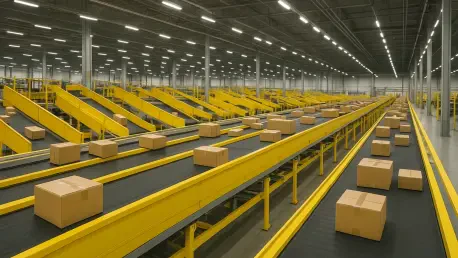
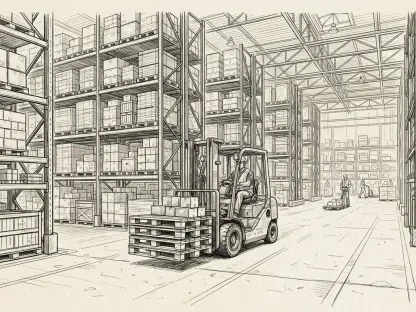
The new Stockton facility represents a core component of a broader trend toward total automation across the North American e-commerce landscape. This 900,000-square-foot hub marks a definitive shift in how the nation’s largest brick-and-mortar retailer approaches digital logistics, especially
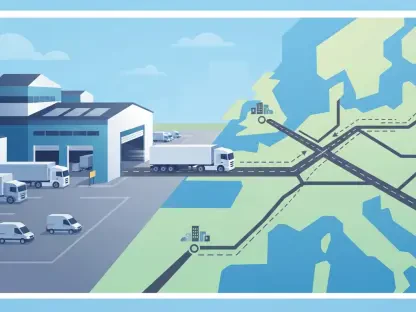
Logistics software platforms like Despatchlab are being utilized to provide high-resolution data visibility to eliminate avoidable expenses during this period of high inflation. This technological intervention comes at a critical juncture as the United Kingdom's eCommerce sector faces a severe

As screenshots of the ransom message circulate across Reddit and X, the fashion industry is watching how ASOS navigates the gap between a public extortion event and an ongoing technical investigation. On the morning of Tuesday, October 6, 2026, a significant number of ASOS mobile application users

The criteria for a superior customer experience are expanding to include how effectively a retailer’s infrastructure communicates with autonomous purchasing agents. This marks a departure from the traditional human-centric design that defined the early digital era. In 2026, the retail environment

Shopify functions as the operational backbone for Qatar's burgeoning small and medium enterprise sector, democratizing e-commerce for domestic entrepreneurs. This development has occurred alongside the nation's emergence as a premier digital hub in the Middle East, where high-speed connectivity and