
Hong Kong’s role as a premier global logistics gateway is being reinforced by new digital infrastructures that facilitate deep cross-border coordination and reliable information exchange. This transformation is currently personified by Hong Kong Air Cargo Industry Services Limited (Hacis), which has pivoted its operational philosophy toward a comprehensive fulfillment-to-flight model. By integrating high-level automation with strategic regional routes, the company is addressing the intensifying pressure of the global e-commerce market, where speed and reliability are no longer optional luxuries. The shift involves a complete reimagining of how goods move from a warehouse shelf to an aircraft’s cargo hold. By consolidating various stages of the supply chain into a single, synchronized process, the logistics provider is successfully reducing traditional friction points. This evolution ensures that the city remains a critical node in the international trade network during this demanding era.
Transforming Warehouse Management: The Shift to Robotic Precision
The implementation of the Hacis Storage Control System (HSCS) represents a fundamental departure from conventional warehouse management strategies by adopting a goods-to-person methodology. In this advanced configuration, the heavy lifting and movement are handled by a fleet of high-speed tote stacker cranes and Automated Guided Vehicles (AGVs) that navigate the facility with surgical precision. Instead of requiring human operators to traverse expansive storage floors to locate individual items, the automated system retrieves and delivers specific stock-keeping units directly to ergonomic workstations. This shift has effectively doubled the outbound processing capacity of the fulfillment center, allowing for a significantly higher volume of orders to be managed daily. Furthermore, the use of vertical space and high-density storage allows the facility to house a wider variety of products without expanding its physical footprint, optimizing every square inch of the terminal.
Beyond the standalone capabilities of the HSCS, its integration with the parent company’s Bulk Storage System (BSS) provides a sophisticated, tiered approach to inventory management. This connectivity allows for a seamless flow between high-velocity e-commerce stock and larger bulk shipments, creating a buffer that prevents operational bottlenecks during seasonal demand spikes. Fast-moving items are kept within the high-speed automated environment for immediate picking and packing, while excess inventory or slower-moving stock is automatically diverted to the larger capacity BSS. This synergy ensures that the facility can maintain peak performance levels regardless of the complexity or size of the inventory. By synchronizing these two massive systems, the logistics hub achieves a level of flexibility that was previously unattainable, allowing it to adapt to the fluid requirements of modern retailers while maintaining a consistent and reliable outbound schedule for all clients.
Digital Sovereignty: Real-Time Transparency and Precision Auditing
Complementing the physical automation is a robust digital infrastructure centered on a neutral warehouse management system that provides unparalleled visibility into the supply chain. This software layer is designed to synchronize effortlessly with a client’s enterprise resource planning systems and various online retail platforms, ensuring that inventory data is accurate across all channels. For modern e-commerce businesses, real-time visibility is the cornerstone of effective stock management, as it prevents the common pitfalls of overselling or unexpected stockouts. This digital transparency allows retailers to make informed, data-driven decisions about their inventory levels and marketing strategies with confidence. By providing a clear, live window into the fulfillment process, the system builds a foundation of trust between the logistics provider and its global partners, which is essential for navigating the complexities of international trade and consumer expectations.
Precision in the digital age is further safeguarded by advanced cycle-counting capabilities that permit continuous inventory audits without pausing the broader workflow. Traditionally, verifying stock accuracy required significant downtime, as human counters would have to manually check items, leading to costly operational pauses. The new automated system eliminates this inefficiency by performing targeted audits on the fly, retrieving specific items for verification even as other orders are being processed simultaneously. This capability ensures that the physical reality of the warehouse always matches the digital records in the management system, virtually eliminating discrepancy errors. Maintaining such a high level of accuracy is vital for preserving the integrity of the order execution process, especially when dealing with high-value electronics or time-sensitive consumer goods. This meticulous approach to data integrity serves as a major competitive advantage in the market.
Strategic Expansion: Building Multimodal Corridors and Integrated Ecosystems
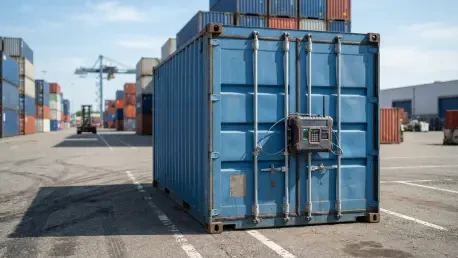
Parallel to the internal technological upgrades, the successful launch of a multimodal transport corridor between Vietnam and Hong Kong has redefined regional connectivity. Developed in collaboration with international logistics partners, this road-to-air model utilizes the Single E-lock Scheme to streamline border crossings through Mainland China. By using electronic locks and GPS tracking, shipments can bypass repetitive customs inspections, significantly reducing the transit time between Southeast Asian manufacturing hubs and the cargo terminals in Hong Kong. This middle-tier solution offers a compelling alternative for shippers who find sea freight too slow and direct airfreight prohibitively expensive. It creates a balanced logistics path that prioritizes both cost-efficiency and speed, which is particularly beneficial for the electronics and fashion industries. This route demonstrates how digital customs solutions can effectively bridge geographic gaps and enhance trade.
In reflecting on these advancements, the strategic focus on integrated ecosystems provided a clear roadmap for future logistics resilience and cross-border cooperation. The pilot shipments successfully demonstrated that stable cargo flows and deep coordination between regional authorities were the primary drivers of success in multimodal transport. Stakeholders moved beyond isolated operations to embrace a merge-in-transit philosophy, which allowed goods from diverse origins to be consolidated efficiently before reaching global distribution centers. This approach proved that the future of the industry lies in the seamless blending of various transport modes and automated fulfillment technologies. Moving forward, the industry should prioritize the expansion of these bonded corridors to other emerging markets in Asia, ensuring that digital information exchange remains standardized. By adopting these integrated strategies, logistics providers established a more flexible and responsive supply chain that was better equipped to handle the volatility of the global economy.