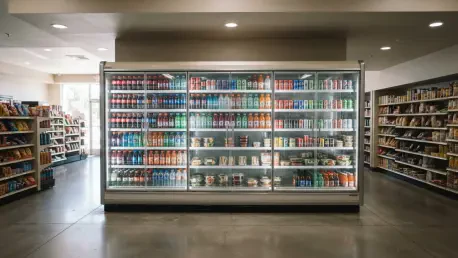

The implementation of a comprehensive ban on single-use vapes on June 1, 2025, has triggered a massive 20.8% drop in unit sales for the smoking alternatives category. This regulatory shift has fundamentally altered the trajectory of the United Kingdom’s convenience retail sector, which is currently navigating a period of significant volatility as of mid-2026. Data from prominent retail research organizations indicates that the combined tobacco and vaping category, once a cornerstone of the industry, has contracted by a staggering 10.6% year-over-year. This slump has exerted downward pressure on the entire channel, contributing to a total sales decrease of 1.2% during the first half of the year. However, a closer look at the statistics reveals a more nuanced reality for business owners. When the nicotine-related categories are excluded from the performance metrics, the remaining segments of the convenience store actually demonstrated a modest growth of 0.7%, led primarily by surging consumer demand for refrigerated foods and soft drinks.
Shift Toward Alcohol Dominance in the Retail Sector
For several decades, tobacco products have maintained a dominant position as the primary driver of value within the convenience market, but current data suggests this long-standing reign is approaching a definitive conclusion. As of the current assessment in 2026, the combined tobacco and vaping category accounts for 15.4% of total convenience sales value, yet this lead is precarious at best. The alcohol category has surged forward, now representing 15.1% of the market share, which narrows the gap between these two sectors to a mere 0.3 percentage points. This statistical convergence highlights a broader trend where retailers are moving away from a historical dependency on nicotine consumers to fuel their daily revenue. The contraction of the smoking sector is no longer just a minor fluctuation; it represents a permanent realignment of the store’s financial foundation. Retailers are seeing that the era of tobacco supremacy is being replaced by a diverse mix of liquid and social refreshments.
Industry forecasters suggest that the alcohol category is on a clear path to overtake tobacco and vaping as the largest single contributor to convenience store sales as early as 2027. This anticipated transition serves as a symbolic milestone for the industry, reflecting a significant change in the fundamental role that local stores play within their communities. As smoking rates continue to fall due to both health trends and legislative pressures, store owners have been forced to prioritize high-margin social categories to maintain their financial viability. This pivot toward the home-consumption alcohol market is not merely a defensive maneuver but a strategic embrace of shifting consumer lifestyle choices. Modern convenience stores are increasingly viewed as destinations for social gatherings and premium beverage selections rather than just a quick stop for a pack of cigarettes. This evolution ensures that the retail environment remains relevant to a younger, more health-conscious demographic that avoids tobacco.
Diverging Business Realities for Major and Independent Operators
Despite the immediate headwinds faced by the tobacco sector, the long-term outlook for the United Kingdom’s convenience market remains cautiously optimistic, with growth expected to continue through 2031. Analysts project that the total market value will reach approximately £54.9 billion by the end of that five-year period, representing a cumulative growth of 13% from 2026 levels. This growth is anticipated to occur at a compound annual rate of 2.5%, though this figure jumps to a more robust 3.4% when the declining tobacco and vaping segments are removed from the calculation. Such a discrepancy underscores the fact that the broader retail industry is successfully finding new ways to generate value by diversifying its product mix beyond traditional staples. This upward trajectory suggests that the sector is resilient enough to absorb the loss of tobacco revenue by leaning into emerging trends like fresh produce, premium snacking, and immediate-consumption meal solutions that appeal to a wider audience.
A significant performance gap has emerged between major corporate convenience chains and independent store operators during this period of transition. Large multiple retailers are expected to achieve an annual growth rate of roughly 3.9%, largely because they possess the capital and infrastructure necessary to pivot away from tobacco reliance. These corporate entities have aggressively invested in food service initiatives, high-quality coffee programs, and store modernizations that prioritize refrigerated and fresh sections. Conversely, independent retailers and affiliated-group stores remain much more exposed to the volatility of the nicotine market. These smaller businesses often rely on tobacco products not just for the direct profit they provide, but for the essential foot traffic they generate. When customers stop entering a store to buy cigarettes or vapes, they also stop making the high-margin impulse purchases that are vital for the survival of local shops, creating a challenging environment for local businesses.
Evolution of the Vaping Product Landscape
The regulatory environment has played a pivotal role in reshaping the vaping landscape, with the total ban on single-use devices serving as a primary catalyst for recent market shifts. Following the implementation of this legislation, the vaping category experienced a staggering 20.8% decline in unit sales within the first twelve months. While the total value of these sales did not plummet as severely as the volume, the regulation fundamentally altered the inventory strategy for every convenience store in the country. This divergence between unit volume and sales value indicates that while fewer products are being sold, the items reaching the consumer are generally more expensive and complex than the previous disposable versions. The ban applied to both nicotine and nicotine-free products, leaving retailers with the task of replacing high-volume disposable items with more durable alternatives. This shift has required a significant adjustment in how stores present their smoking alternatives to the public.
In the wake of the single-use ban, the market has rapidly transitioned toward reusable vaping systems, specifically prefilled pod kits and larger capacity hybrid devices. These three formats, which include separate replacement pods, now account for more than 86% of the total vaping market value in the United Kingdom. This transition represents a departure from the simple, disposable nature of the previous generation of products and has forced consumers to adapt to more hardware-focused solutions. While these reusable systems allow the category to persist despite strict regulations, they change the relationship between the consumer and the store. Instead of a daily purchase of a single disposable device, shoppers are now buying multipacks of pods or more expensive starter kits that last longer. This change in purchasing behavior is a double-edged sword for retailers; while it may increase the average transaction value, it fundamentally alters the frequency with which customers need to visit the physical store.
Navigating Inventory Challenges and Foot Traffic Changes
The move away from daily disposables has created a transactional paradox that poses a significant risk to the traditional convenience business model. Because modern reusable and hybrid vaping products provide a larger volume of liquid per purchase, customers no longer need to visit their local store as frequently as they once did. In the past, a consumer might have entered a store every single day to purchase a single-use vape, providing 365 opportunities for cross-selling and impulse buys throughout the year. With the shift to larger capacity kits and pod packs, that same customer might now only visit the store once a week or even once every two weeks. This dramatic reduction in transaction frequency is a primary concern for store owners, as it directly reduces the opportunities to sell high-margin items like bottled beverages, snacks, or coffee. The loss of consistent foot traffic makes it increasingly difficult for retailers to maintain their overall store profitability through secondary impulse purchases.
Logistically, the transition from a few dominant disposable brands to a wide array of complex reusable systems has significantly complicated the retail environment. Market data shows that thousands of new product barcodes entered the vaping sector within a single year, creating an inventory management challenge for both small and large stores. Retailers must now allocate a larger amount of shelf space to a diverse range of hardware, replacement pods, and e-liquids, all while ensuring that their staff is sufficiently trained to explain these products to customers. This increased operational complexity comes at a time when local stores are facing intense pressure from online retailers and discount outlets that can often offer these newer systems at much lower price points. Furthermore, the rise of quick-commerce delivery apps has further eroded the traditional foot traffic that local convenience stores once enjoyed, as many consumers now choose to have their vaping supplies and social snacks delivered directly to their homes.
Strategic Adaptation for Long-Term Viability
The structural reordering of the retail landscape required businesses to move beyond their historical reliance on tobacco and single-use nicotine products. Successful operators prioritized the modernization of their stores by expanding refrigerated food sections and integrating digital loyalty programs to recapture lost customer interest. They recognized that the future of the convenience sector resided in immediate-consumption services and premium beverages rather than the declining habits of the past. Retailers who successfully navigated this transition focused on creating a destination experience that encouraged longer dwell times and higher average spend per visit. By investing in diverse product categories such as high-quality food service and artisan coffee, the industry effectively mitigated the impact of reduced transaction frequency. The transition suggested that long-term viability depended on an agile response to regulatory changes and a deep understanding of the evolving consumer preference for healthier alternatives and digital-first shopping experiences.