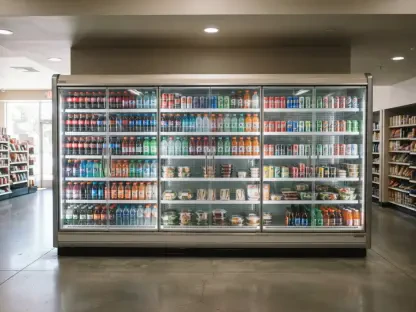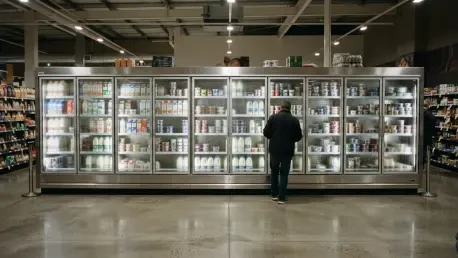

Grocery retailers often operate more internet-connected devices than standard office buildings, creating a vast and vulnerable attack surface for sophisticated cybercriminals to exploit. From smart refrigeration units and digital shelving labels to automated inventory systems and customer-facing kiosks, the modern supermarket is a web of interconnected endpoints. Each of these devices offers a potential entry point for malicious actors looking to disrupt essential services or hold critical data for ransom. As technology continues to evolve in 2026, the reliance on remote management tools has inadvertently widened the gap between operational efficiency and cybersecurity resilience. While these innovations streamline logistics and energy consumption, they also expose the core infrastructure of the food supply chain to remote manipulation. The recent wave of digital intrusions across the Atlantic serves as a stark reminder that physical distance is irrelevant in a hyper-connected global economy where software vulnerabilities can be exploited from any corner of the world.
1. The European Crisis: A Blueprint for Supply Chain Sabotage
The recent surge in targeted digital disruptions began with a series of coordinated strikes against major retailers in France, where hackers seized control of critical refrigeration management software. Approximately 100 stores under the Coopérative U banner and 180 Intermarché locations experienced a catastrophic failure of their cooling systems when intruders forced temperatures to rise to 120 degrees Fahrenheit. This specific incident targeted specialized software provided by Danfoss, which is widely utilized by grocers to manage their cold storage units remotely. By exploiting weaknesses in this centralized management platform, attackers were able to bypass localized security measures and directly impact food safety on a massive scale. Other industry giants such as Carrefour and Monoprix also found themselves caught in the crosshairs of this sophisticated operation. These events highlighted the danger of relying on singular software providers for critical utilities without implementing robust redundancies.
Following the initial breach in France, the campaign expanded rapidly to encompass more than 100 additional stores across various European nations. Retailers in Belgium, Sweden, Ireland, the Netherlands, Finland, Estonia, and Luxembourg reported similar malfunctions, indicating a systematic effort to destabilize the regional food supply. Cybersecurity experts noted that these attacks were largely preventable, as many supermarkets had failed to address known vulnerabilities or disconnect outdated equipment from the public internet. The perpetrators exploited weak administrative passwords and the lack of multi-factor authentication to gain unauthorized entry into sensitive networks. In many instances, the affected hardware was left exposed to the public web without the protection of a dedicated firewall. This sequence of events has raised serious questions about the readiness of the retail sector to defend against state-sponsored actors or sophisticated criminal syndicates.
2. Domestic Vulnerabilities: Assessing the Risk for American Retailers
The implications of the European crisis are particularly concerning for the United States, where the food retail landscape is similarly dependent on remote IoT solutions. Earlier this year, several U.S. military bases reported mysterious refrigerator malfunctions that led to significant food spoilage, sparking investigations into whether these were deliberate acts of sabotage. While the direct link between these incidents and the European attacks remains under scrutiny, the timing and methodology suggest a disturbing trend. American grocers face a unique challenge due to the massive scale of their operations and the high density of connected hardware in each location. A typical domestic supermarket houses thousands of sensors that communicate with external vendor servers. If an attacker gains access to a single vendor network, they can potentially pivot through that connection to reach the grocer’s internal systems, causing widespread damage before being detected.
Beyond the immediate threat of external intrusion, American businesses must contend with systemic vulnerabilities such as thin IT staffing and the persistence of legacy hardware. Many smaller regional chains lack the dedicated cybersecurity resources found in larger tech firms, leaving them dependent on general-purpose IT contractors who may not specialize in industrial control systems. Furthermore, the longevity of refrigeration equipment often means that control modules designed over a decade ago are still in active service. These older units were never intended to be connected to the public internet and frequently lack the processing power required for modern encryption or security updates. When these legacy systems are integrated into modern digital networks to meet efficiency goals, they become the weakest link in the chain. The risk is exacerbated by the common practice of using default factory passwords, which are easily discoverable in online databases used by hackers.
3. Strategic Defense: Implementing Resilient Security Protocols
The industry determined that the most effective path forward involved the physical and logical isolation of critical systems through strict network segmentation. Implementing these isolated zones ensured that guest Wi-Fi and surveillance cameras did not share the same network as refrigeration controls, which effectively contained potential breaches. Businesses conducted exhaustive audits of third-party vendors and enforced mandatory multi-factor authentication across all administrative accounts to stop credential-based attacks. Organizations also established comprehensive contingency plans, including manual temperature logging and cash-only operations, to maintain service during digital outages. By prioritizing the replacement of legacy hardware that could no longer receive security patches, leaders removed the oldest entry points from their networks. These strategic actions allowed the industry to adapt to a landscape where digital threats were constant, ensuring that the food supply remained secure and accessible.