
The convergence of professional sports and urban real estate has officially moved beyond simple stadium construction into a realm where massive, integrated retail ecosystems redefine how fans interact with their favorite teams throughout the entire year. This evolution represents a strategic pivot

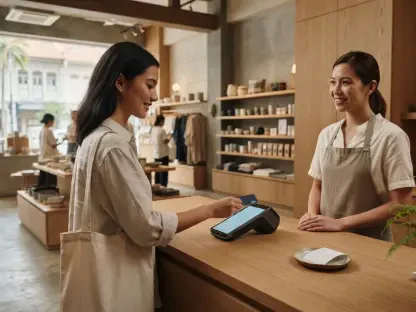
Retailers are currently navigating a landscape where the traditional checkout counter has become a significant bottleneck, threatening to derail the recovery of physical storefronts in an increasingly digital world. The silent friction of a slow checkout lane costs retailers more than just a single

Data from ABN AMRO suggests that while most retailers have faced cybercrime, only a small fraction possess a formal response plan for systemic shutdowns. This reality became painfully apparent when a major cyber incident recently targeted Ahold Delhaize, specifically impacting its Dutch subsidiary,

The shopping experience is ultimately the culmination of daily decisions made by store personnel who must balance curbside pickup demands with physical store maintenance. In the fast-paced environment of modern commerce, the friction between digital expectations and physical reality can often lead
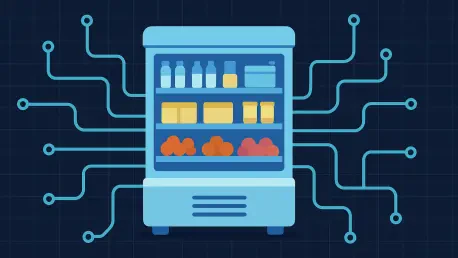
The synchronization of digital failures across multiple global supermarket chains recently demonstrated that the invisible threads connecting food security to cybersecurity are far more fragile than previously estimated by industry experts. While the immediate public concern centered on the
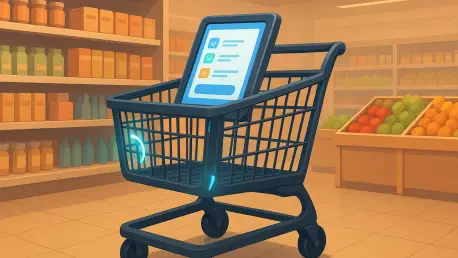
Enterprise Resource Planning systems allow large-scale retailers with complex supply chains to maintain a single source of truth across multiple warehouses and hundreds of suppliers. In Singapore, this technological backbone has become the catalyst for a radical shift in how goods are moved,