
The rapid integration of automated systems into the daily shopping routines of Ljubljana and Maribor suggests that the traditional grocery experience is permanently evolving toward a high-tech future where efficiency dictates market share. The Slovenian retail landscape is currently undergoing a significant digital transformation, driven by a blend of local innovation and international expertise. As grocery chains and specialty retailers face rising labor costs and evolving consumer demands, the focus has shifted toward high-efficiency solutions such as automated checkouts, electronic shelf labels, and sophisticated fulfillment platforms. This sector is characterized by a mix of long-standing Maribor and Ljubljana-based developers alongside global players entering the market through strategic partnerships. Key technological influences include the integration of fiscal point-of-sale systems with complex backends and the adoption of internet-of-things devices to ensure price consistency across physical and digital storefronts.
Printec Slovenia has established itself as a cornerstone of the checkout environment, leveraging its Ljubljana-based operations to deploy more than six hundred self-checkout units across the country. By 2025, the company reported significant growth, reaching over eight million euros in revenue while expanding its footprint in the cashless unit subsector. Their recent involvement with the SPAR network highlights a move toward frictionless payment systems, particularly through the introduction of specialized units for franchise sites. Retailers evaluating these systems often focus on how well the hardware handles weighted produce and the frequency of staff interventions during loyalty card processing. These metrics are vital for maintaining the speed of service that modern shoppers expect from a tier-one grocery provider.
The Modernization of Slovenian Retail: An Industry Overview
In Maribor, Comtron has maintained a dominant presence through its TRONpos platform, which acts as a bridge between fiscal point-of-sale requirements and complex enterprise resource planning backends. With a team of over fifty specialists and a revenue exceeding ten million euros in the previous fiscal cycle, the provider offers a mature ecosystem for larger enterprises. The value of such a system lies in its ability to manage multi-store controls and promotion pricing in real time, which is essential for grocery chains operating under tight margins. Maintaining offline trading capabilities remains a priority for this developer, ensuring that stores can continue to function even during network interruptions.
Other local players like IT TEAM and Positiva Rešitve contribute specialized expertise to the ecosystem, with IT TEAM focusing on the Imprion platform. Their recent acquisition of customers from the Birokoda user base signals a consolidation within the Maribor tech scene as retailers seek more robust software solutions. Meanwhile, Positiva Rešitve has explored the application of electronic labels in non-grocery environments, such as the NGEN facility in Kidričevo. These companies illustrate the diversity of the market, where smaller, agile teams provide the necessary support and customization that international giants might overlook. This local support is a critical factor for Slovenian retailers who require quick response times for technical issues.
Current Market Dynamics and the Road to 2026
The primary trends shaping Slovenian retail tech include a move toward frictionless shopping and the automation of manual store tasks. Consumer behavior in Slovenia is increasingly favoring self-service options and online grocery fulfillment, prompting retailers like SPAR and Mercator to invest in cashless units and advanced picking software. Market drivers such as the need for real-time price synchronization and the reduction of food waste through better stock management are creating new opportunities for providers specializing in electronic shelf labels and inventory intelligence. This shift is not merely about replacing paper with screens but about creating a responsive environment that reacts to supply chain fluctuations.
Emerging Technologies and Shifting Consumer Behaviors
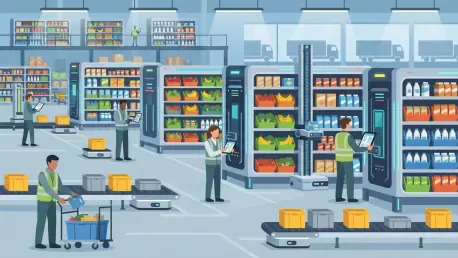
The online grocery fulfillment space underwent a massive shift in April when Instacart acquired Instaleap, a platform already integrated with SPAR Slovenia. This partnership focuses on the complexities of ordering, picking, and the logistics of the last mile to the consumer’s doorstep. The technology manages stock accuracy and handles the difficult process of substitutions and refunds, which are common pain points in digital grocery shopping. As these international platforms bring global best practices to the Slovenian market, local retailers are forced to adapt their operational workflows to match the speed and precision of these algorithmic systems. This evolution reflects a broader regional trend where digital convenience is becoming a standard expectation rather than a luxury.
Deployment of electronic shelf labels has seen a dramatic increase, led largely by the partnership between Kenty Adria and the Chinese technology giant Hanshow. In October, reporting indicated that fifty Mercator stores in Slovenia had already transitioned to these digital displays, with a strategic goal to achieve network-wide deployment by the end of 2027. Kenty Adria, being a part of the Fortenova group, possesses the regional scale necessary to manage large-scale hardware rollouts that require deep integration with existing pricing databases. This shift effectively eliminates the manual labor associated with paper price tags while improving accuracy for the end consumer.
Market Projections and Performance Indicators
Economic data from 2025 indicates a steady growth trajectory for the sector, with leading local providers reporting revenues between three million and ten million euros. Regional giants like Kenty Adria leverage much larger balance sheets, which allows for more aggressive hardware subsidization and rapid expansion. Forward-looking projections suggest that by 2027, network-wide deployments of electronic labels and automated fulfillment systems will become the standard for top-tier retailers. Performance indicators are shifting from simple hardware uptime to more complex metrics, such as intervention rates per transaction and substitution accuracy in online orders.
Reliability and the ability to scale are becoming the primary benchmarks for selecting a technology partner. As retailers move from 2026 into 2027, the focus is expected to turn toward the total cost of ownership, which includes not just the initial hardware purchase but the long-term maintenance of battery-powered devices and the cost of software licenses. The market is maturing, and the initial excitement over new gadgets is being replaced by a rigorous analysis of return on investment. This fiscal pragmatism ensures that technology deployments are sustainable and provide tangible benefits to both the retailer and the consumer.
Overcoming Structural and Technical Hurdles
The industry faces several complexities, notably the challenge of legacy system integration. Many retailers struggle to synchronize price updates between their enterprise systems and the physical shelf, leading to price mismatches that erode consumer trust. Additionally, the technical demands of chilled-aisle coverage for wireless labels and the necessity for robust offline trading capabilities present ongoing obstacles. Solutions involve rigorous pilot testing focusing on representative stores rather than idealized environments and establishing clear ownership of data feeds to prevent service interruptions. This methodical approach ensures that technology serves the store staff rather than creating additional administrative burdens.
To ensure a successful transition, many organizations have adopted a more disciplined approach to technology pilots. They moved away from testing in pristine laboratory settings and instead placed new hardware in the busiest branches where the environment is chaotic and the demand is highest. This strategy allowed retailers to measure the true impact of the technology on queue times and staff intervention rates. Furthermore, mapping the data flow became a mandatory step before any physical installation occurred. By identifying which system owned the primary product codes and stock levels, companies avoided the common pitfalls of data duplication and synchronization lag that often plagued earlier digital initiatives.
The Regulatory Framework and Compliance Standards
Slovenia’s retail tech sector is heavily influenced by strict fiscal memory laws and European data protection standards. Providers must ensure that their point-of-sale software remains compliant with local fiscalization requirements, which mandate real-time reporting of transactions to the financial authorities. Furthermore, as retailers adopt more internet-of-things devices and online fulfillment tools, cybersecurity and the protection of consumer loyalty data have become paramount. Compliance is no longer just a legal hurdle but a core component of system architecture, affecting everything from hardware encryption to cloud storage protocols.
The legislative landscape in Slovenia remained a significant factor in how technology was deployed and maintained. Fiscalization laws required that every transaction be recorded and transmitted instantly to government servers, a process that demanded high uptime from providers. Any failure in this communication could result in significant fines or the forced closure of a retail location. Consequently, software developers focused heavily on building resilient communication layers within their platforms. This emphasis on compliance extended to the protection of personal data as retailers expanded their loyalty programs. The need to balance personalized marketing with the strict requirements of the European Union meant that encryption and data sovereignty became top priorities for any new system architecture.
Future Horizons: Innovation and Market Disruptors
The future of Slovenian retail tech points toward deeper automation and the pro-store evolution. The industry expects a surge in artificial intelligence-driven fulfillment, where platforms utilize predictive analytics to manage stock and refunds more efficiently. Market disruptors may include the widespread adoption of dark stores for urban delivery and the integration of biometrics in payment processing. As global economic conditions fluctuate, Slovenian retailers will likely prioritize technologies that offer a clear return on investment through labor savings and reduced operational errors, favoring suppliers who provide comprehensive support and exit strategies.
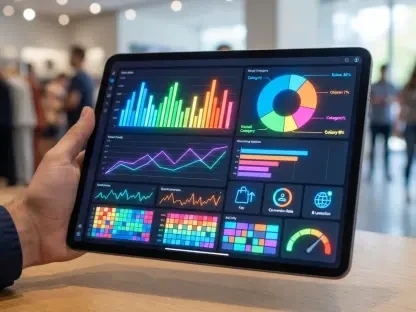
Furthermore, the integration of advanced analytics into the physical store environment will allow for a more personalized shopping experience. Retailers are investigating ways to use the data gathered from electronic shelf labels and smart checkouts to optimize store layouts and product placement. This move toward data-driven decision-making represents a shift from reactive management to a proactive strategy where consumer needs are anticipated before they are even expressed. The role of the store manager is also evolving, becoming more focused on overseeing these digital systems rather than managing manual labor.
Summary of Insights and Strategic Recommendations
The 2026 retail technology market analysis demonstrated that the transition from basic digital tools to integrated, automated ecosystems became the defining characteristic of successful retail operations. Stakeholders recognized that prioritizing projects addressing the highest operational costs, such as long queues and pricing inaccuracies, yielded the most significant returns. Strategic recommendations focused on the implementation of targeted pilots that included both high-volume and smaller boutique branches to test scalability. The industry moved toward a period of consolidation where the most successful providers bridged the gap between sophisticated international software and local operational realities, ultimately setting a new standard for the region.
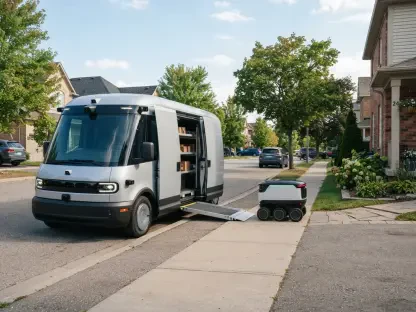
Organizations that succeeded in this environment were those that treated technology as a long-term investment rather than a one-time expense. They established clear protocols for hardware replacement and software updates, ensuring that their systems remained modern and secure. By 2027, the focus shifted toward refining these integrated systems to further enhance the consumer experience. The lessons learned during the initial rollout phases provided a foundation for future innovations, such as autonomous delivery and advanced inventory robotics. Ultimately, the modernization of the Slovenian retail sector proved that the successful integration of technology required a balance of technical prowess and a deep understanding of local market dynamics.