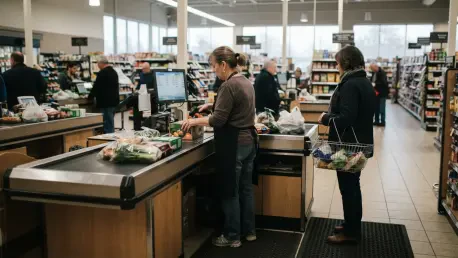

HorecaSystems targets the mini-market segment in Moldova with its SmartShop product, which focuses on expiration date visibility and perishable stock monitoring for small grocers. This development mirrors a broader trend across the Moldovan retail landscape, where digital transformation is no longer a luxury but a fundamental requirement for survival in a competitive market. As grocery chains and independent retailers navigate the complexities of local regulations, the demand for integrated systems that bridge the gap between inventory, sales, and fiscal compliance has never been higher. Modern retailers in Chișinău and beyond are increasingly looking past basic cash registers toward comprehensive ecosystems that provide real-time data analytics and seamless customer experiences. The shift is driven by a necessity to modernize legacy infrastructure while adhering to strict government monitoring standards. For a supermarket chain operating in this environment, selecting the right technology partner involves a careful evaluation of how a system handles point-of-sale operations, credit card processing, and intricate financial reporting. Success in this sector requires more than just hardware; it demands a robust digital backbone that can adapt to changing consumer behaviors and legal mandates.
1. IntelectSoft: A Connected Retail and Fiscal Platform
IntelectSoft stands as a prominent Moldovan software developer that has been shaping the local retail technology landscape since its establishment in 2008. The company offers a comprehensive suite of tools, including its flagship Sales Expert system, which is specifically engineered to handle the rigorous demands of supermarkets, wholesalers, and multi-site retail networks. By providing a centralized platform for barcode scanning, dynamic pricing rules, and multi-warehouse inventory management, IntelectSoft addresses the primary pain points of large-scale retailers who need to maintain consistency across dozens of locations. Their approach emphasizes the integration of various business functions, ensuring that stock levels in the warehouse are perfectly synchronized with the digital records at the checkout counter. This level of connectivity is essential for reducing human error and optimizing the supply chain, particularly for businesses that deal with high volumes of fast-moving consumer goods. The software is designed to grow with the business, offering scalability that allows small operations to expand into national chains without needing to overhaul their entire digital infrastructure every few years.
The technical depth of IntelectSoft is further evidenced by its registration of 28 distinct products and six specific fiscal models with the State Tax Service of Moldova. This ensures that any retailer utilizing its platform is automatically aligned with the latest legal requirements for electronic sales monitoring. Beyond basic compliance, the system offers sophisticated integrations with major banking institutions, as well as enterprise-level software like SAP and 1C. This makes it a versatile choice for businesses that have established accounting workflows but need a modern, front-end solution for their retail locations. In 2026, the company continues to separate its software operations from physical equipment supply, often partnering with hardware specialists to deliver a complete turnkey solution. For a grocery chain, the primary benefit lies in the system’s ability to handle complex tasks like central price updates and inter-store inventory transfers. However, buyers are encouraged to rigorously test the platform’s performance during internet outages to ensure that local data remains secure and that transactions can be reconciled immediately once connectivity is restored.
2. SGAPPS LABS: Local Enterprise Resource Planning and POS
Operating in the Chișinău area since 2018, SGAPPS LABS has developed a reputation for providing a unified architecture that blends enterprise resource planning with modern point-of-sale functionality. Unlike many generic international software packages that require extensive and expensive localization, this platform was built from the ground up to serve the specific needs of the Moldovan market. It covers a wide range of operational requirements, including production management, device management, and advanced payment processing. The system is particularly notable for its deployment flexibility, offering both cloud-hosted and customer-hosted options to accommodate different security and infrastructure preferences. For retailers who manage their own production facilities, such as supermarkets with on-site bakeries or prepared food sections, the ERP modules provided by SGAPPS LABS offer a significant advantage by tracking raw materials and production costs in the same environment where the final sale is recorded.
The company’s marketing materials emphasize compatibility with the country’s electronic reporting systems, but experienced buyers know that every integration route must be verified for its specific certification status. SGAPPS LABS utilizes a multilingual interface and role-based access controls, which are vital for maintaining security and operational clarity in a diverse workforce. As of late 2026, the company focuses on providing a configurable business process that allows store managers to tailor the software to their specific workflows. This customization capability extends to warehouse tracking and supplier management, creating a holistic view of the business cycle. When evaluating this provider, it is crucial for a retailer to demand a clean demonstration using a realistic catalog of goods, including weight-based produce and complex VAT classes. Because the platform acts as the brain of the operation, establishing clear terms for data ownership, backup frequency, and service-level commitments is a mandatory step before any long-term contract is signed.
3. POSfix: Integrated Checkout and Digital Loyalty Systems
POSfix has carved out a unique space in the Moldovan retail market by focusing on the intersection of checkout efficiency and customer retention. Its system combines traditional retail functions like inventory tracking and invoicing with a forward-thinking digital loyalty program designed specifically for mobile wallets. This approach allows small- to medium-sized merchants to compete with larger chains by offering a modern, tech-savvy shopping experience without the need for a massive IT budget. By integrating card acceptance and electronic fiscal reporting directly into the POS software, POSfix eliminates the need for cashiers to manually transfer data between separate systems, which significantly reduces the risk of clerical errors. For an independent shop or a burgeoning retail chain, this level of automation is a game-changer, allowing owners to spend less time on administrative tasks and more time on customer service and business strategy.
The value of the POSfix platform is deeply tied to its ability to synchronize data across multiple registers and locations in real time. A digital loyalty card in a customer’s mobile wallet provides a direct channel for engagement, allowing for personalized promotions and rewards that drive repeat visits. However, retailers must ensure that these digital tools are fully reconciled with their inventory and accounting records. For instance, a promotion applied at checkout must automatically adjust the inventory value and the fiscal record without manual intervention. During the procurement process, it is wise for business owners to ask for a live demonstration of an offline transaction followed by a synchronization event to see how the system handles potential disruptions. Additionally, as data privacy becomes a more significant concern in 2026, verifying how customer consent is managed and ensuring that transaction history can be exported in a standard format are essential requirements for any responsible retailer looking to partner with this provider.
4. TECSOL: Specialized Hardware for Retail Operations
TECSOL represents a different but equally critical part of the retail technology ecosystem in Moldova, focusing primarily on the physical hardware required to run a modern store. Based in Chișinău, it supplies a vast catalog of equipment, including high-performance POS terminals, barcode scanners, electronic scales, and label printers. Its role is often that of an enabler; it provides the reliable machinery upon which various software platforms operate. A key differentiator for TECSOL is its local service center, which offers installation, consultation, and warranty repairs. In a high-traffic supermarket environment, the speed at which a broken scanner or a malfunctioning label printer can be replaced or repaired directly impacts the store’s bottom line. By maintaining a local presence and a ready stock of spare parts, TECSOL provides a level of operational security that international hardware vendors often struggle to match.
The relationship between hardware and software is particularly evident in TECSOL’s frequent collaborations with developers like IntelectSoft. In these arrangements, TECSOL handles the physical installation and maintenance of the devices, while the software partner manages the digital logic and fiscal integration. It is important for buyers to understand that these are often separate legal entities, meaning that a hardware warranty from TECSOL does not automatically cover a software glitch in the POS system. When building a store’s infrastructure, retailers should specify hardware that can handle the latest 2D barcodes and integrate seamlessly with electronic scales for weighed produce. Testing label printing for accuracy, especially regarding expiration dates and price per kilogram, is a practical step that can prevent significant headaches during peak business hours. Ultimately, a retailer’s goal when working with a hardware specialist like TECSOL is to ensure that the equipment is durable, compatible with their chosen software, and backed by a responsive local support team.
5. Logisoft: Custom Software Solutions and Warehouse Control
Logisoft IT Group addresses the needs of Moldovan retailers who require more than just an out-of-the-box solution for their operations. From their office on Petricani Street in Chișinău, they offer a mix of standard POS systems and custom software development services. Their strength lies in their ability to tailor a system to the unique workflows of a specific business, whether that involves complex warehouse management or specialized integration with existing legacy tools. One of the standout features of the Logisoft platform is its rapid installation capability and its robust synchronization logic, which allows for smooth operation even when a store’s internet connection is unstable. For a multi-branch retailer, the ability to maintain local operations and then update the central database automatically is a vital feature that prevents data loss and minimizes downtime during peak business hours.
While the flexibility of custom development is a major draw, it also requires a disciplined approach to project management. Retailers must be careful to distinguish between standard features that are ready for immediate use and custom modules that may require extensive testing and higher costs. A custom project with Logisoft should always be defined by a clear scope of work, including specific acceptance criteria and a timeline for migration. Buyers are encouraged to ask for detailed demonstrations of how the system handles bilingual cashier interfaces and multi-location inventory transfers. It is also essential to clarify who owns the source code for any custom-developed features and what the long-term plan is for maintaining those features as the underlying operating systems or fiscal regulations change. By focusing on the unique needs of the business while keeping an eye on scalability, a retailer can leverage Logisoft’s technical expertise to create a truly customized digital environment that supports their specific growth objectives.
6. Widras: Connecting Online Commerce and Distribution
Widras serves as a bridge between digital storefronts and physical distribution networks, catering to retailers in both Moldova and Romania. Their technology suite is particularly relevant for businesses that have expanded into e-commerce or manufacturers that operate their own retail outlets. Widras provides tools for online catalogs, mobile commerce, and field sales, all of which are integrated with a central inventory management system. This ensures that when a customer makes a purchase online, stock levels are immediately updated across the entire network, preventing the frustration of overselling. For a supermarket chain venturing into home delivery or “click-and-collect” services, the ability to manage the entire order flow—from the moment a customer clicks “buy” to the moment the delivery driver reaches their door—is a competitive necessity in 2026.
Beyond the retail front end, Widras offers sophisticated tools for distribution and delivery planning. These include proof-of-delivery systems and field sales applications that allow representatives to take orders directly from a tablet or smartphone while visiting client sites. For a grocery supplier, these features can significantly streamline the replenishment process and improve the accuracy of delivery schedules. When evaluating Widras, buyers should look for concrete references in the grocery sector and request a demonstration of how the software integrates with their existing ERP or POS systems. A promise of compatibility is not enough; a retailer needs to see exactly how data flows between the online store and the physical warehouse. Furthermore, because Widras operates in multiple markets, it brings a broader perspective on regional retail trends, which can be beneficial for Moldovan businesses looking to modernize their logistics and customer engagement strategies.
7. Fiscal Partner: Specializing in Digital Receipt Compliance
In the highly regulated environment of Moldovan retail, Fiscal Partner has positioned itself as a specialist in the critical area of digital fiscal compliance. Its service focuses on the generation and transmission of digital fiscal receipts through mobile applications, POS terminals, and APIs that connect to broader ERP systems like 1C. As the State Tax Service continues to push for more transparent and real-time sales monitoring through the SIA MEV system, the role of a specialized fiscal partner becomes increasingly important. By separating the fiscalization process from the core stock management software, a retailer can often simplify its digital infrastructure and make it easier to upgrade individual components without risking its legal standing. Fiscal Partner’s ability to deliver receipts via SMS, email, or QR code not only meets legal requirements but also aligns with the modern consumer’s preference for paperless transactions.
The challenge of relying on a specialized fiscal service is ensuring that the interface between the sales terminal and the fiscal API is perfectly synchronized. If a payment is processed but the fiscal event fails to register, the retailer could face significant fines and operational disruptions. Therefore, any partnership with Fiscal Partner should be backed by a clear and documented procedure for handling failed transmissions and reconciling sales data. Buyers should require an end-to-end demonstration that covers taxable sales, refunds, and rejected transactions, particularly in scenarios where connectivity is lost. It is also important to verify that the specific fiscal models used by Fiscal Partner are currently approved in the official government registry. For a retailer upgrading a legacy system, this specialized approach can be a cost-effective way to achieve compliance while maintaining existing workflows, provided that the support chain is well-defined and responsive during all hours of operation.
8. Selection Strategy: Navigating Moldova’s Regulations
As the deadline for the mandatory adoption of the SIA MEV electronic monitoring system approaches in late 2026, the State Tax Service has issued clear warnings that non-compliant hardware must be replaced. This regulatory pressure has made the selection of a retail technology provider a high-stakes decision for every business owner in the country. A vendor’s simple claim that their system is “ready for Moldova” is no longer sufficient. Retailers must take a proactive approach to verification, checking specific hardware and software versions against the official list of certified equipment. This due diligence is the only way to ensure that a significant investment in technology will not be rendered obsolete by future regulatory changes. The responsibility for compliance ultimately rests with the retailer, making it essential to work with providers who are transparent about their certification status and their relationship with the tax authorities.
Beyond legal requirements, an effective selection strategy involves a deep dive into the total cost of ownership and the quality of local support. A cheap POS system can quickly become expensive if it lacks the features needed for efficient inventory management or if the vendor charges exorbitant fees for every minor update. Retailers should map out their business processes in detail—from receiving supplier deliveries to processing customer returns—and ask each potential provider to demonstrate how their system handles those specific tasks. It is also vital to consider an “exit strategy” before signing a contract; the ability to export all historical sales and inventory data in a standard format is essential if the business ever needs to switch to a different provider. By combining a strict focus on fiscal compliance with a practical evaluation of operational features, a Moldovan retailer can build a technology stack that not only satisfies the law but also provides a genuine competitive advantage in a crowded market.
9. Strategic Roadmap for Future-Proofing Retail
The retail technology landscape in Moldova entered a more integrated and digitally focused era during the mid-2020s. Successful businesses recognized that the era of isolated cash registers ended as the government accelerated the rollout of the SIA MEV monitoring system. Operators who moved early to adopt platforms from providers like IntelectSoft or SGAPPS LABS found themselves better prepared for the stringent reporting requirements that became mandatory in late 2026. These retailers shifted their focus from mere compliance to utilizing the vast amounts of data generated by their POS and ERP systems to optimize inventory and improve customer loyalty. The historical reliance on manual reconciliation and paper-based tracking was replaced by automated workflows that reduced errors and freed up management to focus on growth and expansion. This period marked a definitive turning point where technology became the primary driver of efficiency for both large supermarkets and small independent grocers.
Looking ahead, the most successful retail operations continued to prioritize flexibility and data portability in their technology choices. They established clear protocols for hardware maintenance and software updates, ensuring that their systems remained compatible with evolving fiscal standards. Actionable steps taken by these leaders included regular audits of their support contracts and the implementation of robust offline contingency plans to protect against infrastructure failures. By maintaining close relationships with local providers like TECSOL and Fiscal Partner, they ensured that their physical and digital assets remained operational around the clock. The integration of digital loyalty and e-commerce through platforms like Widras and POSfix also allowed these businesses to capture a larger share of the modern consumer’s wallet. In the end, the transition to a modernized retail environment was less about a single piece of software and more about building a resilient, data-driven ecosystem that could adapt to any regulatory or commercial challenge.