
The delicate balance of international food logistics is often taken for granted until a single mechanical failure in a distant factory ripples across oceans to disrupt the shelves of premier urban markets. This fragility became evident when a specialized fruit snack line faced a significant safety recall, highlighting the immense pressure on modern distribution networks. The incident serves as a wake-up call for an industry that prioritizes speed and shelf life over decentralized production.
The Evolving Landscape of Global Specialty Confectionery and Food Safety
The premium ambient snack sector has seen a rise in chocolate-coated fruit products, valued for their luxury appeal. The Australia-Singapore corridor acts as a microcosm of this trade, where boutique brands must navigate rigorous standards to maintain their presence in international hubs.
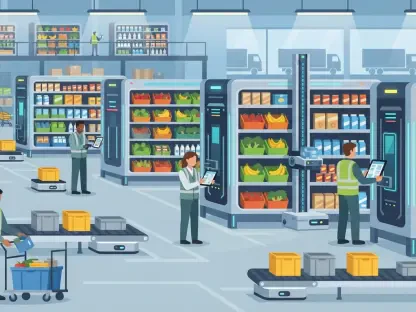
High-tech manufacturing, featuring industrial enrobing and automated sorting, is the backbone of modern production. However, managing global distribution for long-shelf-life goods is complex, requiring perfect synchronization to track inventory across diverse retail environments.
Driving Forces and Economic Shifts in Modern Food Distribution
Emerging Consumer Expectations and Tech-Driven Quality Control
The shift toward healthy indulgence has redefined expectations, but contamination events erode confidence in premium labels. While facilities rely on automated detection, recent failures reveal vulnerabilities in these technologies when physical hazards are missed.
Smart point-of-sale systems now allow retailers to lock barcodes instantly during a crisis. This capability prevents accidental sales, yet the underlying issue remains the failure of detection at the manufacturing stage, necessitating a reevaluation of quality standards.
Tracking Market Performance and the Ripple Effect of Product Withdrawals
Large-scale recalls are financially severe for SMEs like Atomic Changes. The cost of reverse logistics, where products flow from shelves to disposal sites, creates a significant drain on resources and disrupts regional market stability.
Projections for 2026 to 2028 indicate that batch failures will lead to frequent supplier credit adjustments. Manufacturers must account for these losses by improving inventory isolation and ensuring global data synchronization.
Navigating the Complex Hurdles of Batch Contamination and Reverse Logistics
Mechanical failures in enrobing, such as metal fragments entering the line, turn routine runs into logistical nightmares. Clearing gondolas in supermarkets or boutique shops requires immediate coordination to ensure no contaminated items remain accessible.
A trust deficit between distributors and manufacturers often follows safety breaches. To restore relationships, manufacturers must prove they can isolate inventory quickly and prevent the sale of flagged runs through better data integration.
Strengthening Cross-Border Oversight through Integrated Regulatory Frameworks
The response between the Singapore Food Agency and Food Standards Australia New Zealand serves as a model for cooperation. This partnership is vital for the legal disposal of goods with best-before dates reaching January 2028.
Safety alerts have forced a shift in batch acceptance protocols for imported snacks. Precautionary advice mitigates public health risks and protects retailers from legal liabilities that arise when contaminated products reach the consumer.
Future Trajectories: Resilience and Innovation in the Wake of Recalls
AI-enhanced sensor calibrations and next-generation sanitation protocols are becoming the standard for preventing contamination. These innovations lead to more rigorous batch-testing for high-risk products entering major logistics hubs.
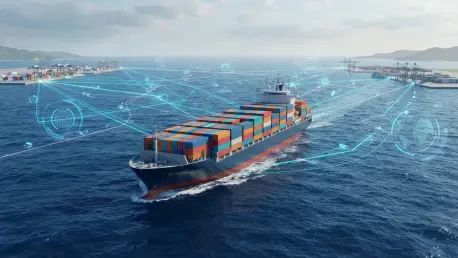
Blockchain-based traceability offers a solution for streamlining recall efforts across borders. By providing a transparent journey record, this technology enhances the resilience of shipping corridors and helps manufacturers meet tightening safety standards.
Synthesizing the Strategic Implications for Stakeholders and Supply Resilience
Stakeholders recognized that manufacturing oversight and retail agility were the most critical lessons from the incident. The industry moved toward a model where reverse logistics readiness became a core component of supply chain strategy.
Investors prioritized technological upgrades that focused on real-time monitoring and automated isolation. These steps ensured that manufacturers could safeguard brand equity and build a resilient framework for future international trade.