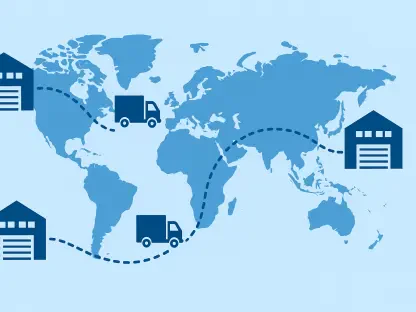

The intricate dance of global agriculture often hides the human faces behind the harvest, yet the organic tropical fruit sector is currently proving that ethical integrity can coexist with commercial efficiency. As the industry moves into the final quarter of the year, the stability of the supply chain reflects a sophisticated balance between environmental stewardship and market demand. Organic bananas remain the undisputed anchor of the produce department, but the rise of secondary tropicals indicates a more adventurous consumer base. Strategically, the industry has pivoted toward dual-sourcing from Mexico and Ecuador to ensure year-round availability and a critical safety net against localized climate events.
The Evolving Landscape of the Organic Tropical Fruit Sector
Organic bananas continue to serve as the bedrock of the modern produce department, functioning as the primary traffic driver for health-conscious shoppers across North America. While these staples maintain their dominance, secondary tropical fruits like the Formosa hybrid papaya are carving out significant niches for retailers looking to diversify their shelves. This diversification allows companies to expand their organic offerings beyond the standard fare, capturing a broader demographic that values variety and premium quality.
The transition toward direct-to-retailer models is fundamentally reshaping traditional distribution networks by removing unnecessary layers from the supply chain. This leaner approach not only enhances the freshness of delicate items like papayas but also provides retailers with more competitive pricing structures and direct access to farm-level decision-makers. Having production hubs in both Mexico and Ecuador further strengthens this model, offering a strategic buffer against regional economic instability or sudden changes in local trade regulations.
Market Dynamics and the Shift Toward Ethical Sourcing
Emerging Trends in Consumer Transparency and Logistics
A strategic shift from transactional buying to mission-driven loyalty is fundamentally altering how tropical fruit moves from soil to shelf. Today, consumers demand more than just a label; they seek verifiable evidence of social responsibility and environmental care in the global South. Consequently, suppliers who can guarantee quick turnaround times through proximity-based supply chains are gaining a larger share of the market, as shoppers increasingly prioritize freshness and transparency.
Market Data and Projections for Tropical Produce
From a data-driven perspective, the financial landscape of tropical produce is being shaped by volatile shipping costs that impact the bottom line. Ecuadorian sea freight rates have climbed 14 percent since the start of this year, representing a 20 percent surge compared to the previous twelve-month period. Despite these rising costs, the North American market for organic papayas continues its upward trajectory, suggesting that consumers are willing to pay a premium for high-quality, ethically produced fruit as volume remains stable through the final fiscal quarter.
Navigating Logistical Hurdles and Climate Volatility
Navigating the complexities of the Pacific coast requires a proactive approach to climate volatility and logistical bottlenecks. Recent tropical storms and hurricanes, such as Polo and Rachel, brought heavy rains but fortunately did not cause structural crop damage in the key Mexican growing regions. To mitigate the financial burden of fuel surcharges and rising container rates, the industry has optimized shipping routes and consolidated loads to maintain efficiency.
These measures are essential for managing the short shelf-life risks of premium items while maintaining a consistent year-round supply. Regional economic instability occasionally disrupts the flow of goods, but a diversified sourcing strategy allows the industry to pivot quickly between hubs. This resilience ensures that the retail supply remains uninterrupted even when faced with significant external pressures from weather or economic shifts.
Compliance Standards and Social Responsibility Frameworks
Adherence to rigorous organic certification and food safety protocols remains a non-negotiable aspect of international trade, providing the framework for trust across the supply chain. The GROW funding model exemplifies how specific financial allocations can transform lives by diverting funds from every case sold—sixty cents for bananas and forty cents for papayas—to support farming communities. To date, this initiative has contributed over four million dollars toward essential education and healthcare services.
The 2026 GROW Impact Report highlighted a nutritional screening program in Ecuador that evaluated over 10,000 children, showcasing the deep commitment to human capital in growing regions. Additionally, the program currently supports 60 full scholarships for Mexican students, ranging from junior high to university levels. Such reporting standards are vital for maintaining alignment between Mexican production hubs and United States distribution centers, ensuring that social impact is documented and verifiable.
The Future of Socially-Conscious Agriculture
Looking ahead, investment in human capital will be the primary driver for securing long-term supply chain resilience in the organic sector. Suppliers are increasingly realizing that a healthy, educated workforce is more productive and less prone to turnover, creating a more sustainable ecosystem for everyone involved. Technological advancements are now facilitating better nutritional screening and community health tracking, allowing for a more data-centric approach to social initiatives.
Expanding scholarship programs and clean water projects will remain top priorities as social impact becomes a non-negotiable component of the brand value proposition. Future growth areas will likely include deeper integration of technology at the farm level to monitor both crop health and worker well-being simultaneously. This holistic approach satisfies the retailer’s need for a consistent product and the modern consumer’s demand for ethically sourced produce.
Cultivating a Sustainable Future for Organic Tropicals
The alignment between worker welfare and product consistency proved to be the defining characteristic of the successful organic fruit market this year. Retailers who successfully leveraged social impact stories saw a marked increase in brand loyalty among their customer base. The industry demonstrated that ethical frameworks were not just moral choices but essential strategies for mitigating economic headwinds. This holistic approach provided a roadmap for how other sectors might integrate social responsibility into their core business models. Ultimately, the link between the health of the farm community and the quality of the fruit on the shelf became an undeniable reality for the entire supply chain.