
Valentina Ellison is leveraging nearly twenty years of experience in airport concessions to replace traditional storefronts with high-tech, automated retail kiosks. This transition marks a fundamental shift in the culinary landscape of aviation hubs, where the convergence of advanced robotics and established restaurant brands creates a new standard for passenger service. By identifying the critical inefficiencies inherent in modern travel dining, her company, Evolvending, has developed a model that prioritizes both speed and substance. Travelers often find themselves caught between the desire for a familiar meal and the restrictive timelines of tight connections, a gap that traditional brick-and-mortar establishments frequently fail to bridge efficiently. The introduction of these automated systems represents more than just a novelty; it is a calculated response to a hospitality sector that has been forced to evolve rapidly. Through strategic partnerships with well-known national brands, the initiative ensures that the shift toward automation does not sacrifice the flavor or quality that consumers have come to expect from their favorite eateries during their journeys.
Bridging the Gap: The Hybrid Solution to Labor Pressures
The primary appeal of automated vending in an airport setting lies in its unique ability to bypass the severe logistical hurdles that have long plagued the dining industry. Traditional restaurant models require a large, consistent workforce to manage everything from order taking to table service, but staffing these positions has become increasingly difficult due to the unique environment of the terminal. Employees are often required to undergo intensive security screenings, navigate expensive airport parking, and endure long commutes before they can even begin their daily shifts. These barriers, when combined with broader labor market shifts observed from 2026 to 2028, have made the standard storefront model nearly untenable in high-security zones. Evolvending addresses this crisis by utilizing automation to handle the transaction side of the business, which significantly reduces the headcount required at the gate while maintaining a steady, uninterrupted service flow for thousands of travelers.
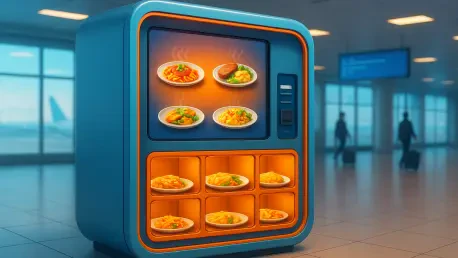
While the customer-facing technology is largely automated, the operational backbone of this system relies heavily on a dedicated human team working behind the scenes. Unlike standard vending machines that offer pre-packaged snacks, these high-tech kiosks are supported by on-site professional commissary kitchens where fresh food is prepared daily by skilled culinary experts. This hybrid model ensures that the human element remains central to the product’s quality, even if the final point of sale is a machine. Once the fresh components are prepared, the kiosks utilize sophisticated internal heating elements, such as precision ovens and specialized microwaves, to finish the cooking process on demand. This approach guarantees that the meal remains consistent with the high standards of partner brands like TGI Fridays or California Pizza Kitchen. By blending the efficiency of robotics with the oversight of professional chefs, the system provides a reliable dining experience that rivals traditional sit-down restaurants in both taste and presentation.
Regulatory Navigation: Standards in a Technical Era
Navigating the complex regulatory landscape of airport health codes presents one of the steepest challenges for the integration of automated food technology. Because these kiosks incorporate internal heating systems to cook or reheat fresh meals, they frequently do not fit into the pre-existing categories established by local health agencies and safety boards. This ambiguity often leads to confusion during the inspection process, as regulators struggle to apply traditional food service rules to a self-contained robotic unit. To manage these hurdles effectively, the company has adopted a strategy of total compliance, employing seasoned airport operators who understand the nuances of terminal safety. By ensuring that every machine is backed by a fully permitted and inspected commissary infrastructure, the organization has created a significant barrier to entry for potential competitors who lack the necessary expertise. This commitment to safety and transparency not only secures the necessary permits but also builds a foundation of trust with the airport authorities.
Beyond the regulatory requirements, a sophisticated, data-driven strategy is employed to identify and eliminate so-called food deserts within the sprawling concourses of modern terminals. By meticulously analyzing flight schedules, gate traffic patterns, and the specific demographics of various airlines, the team can strategically place kiosks in far-flung areas where traditional dining options are non-existent. For example, terminals dominated by low-cost carriers often see a higher demand for accessible price points and quick-service reliability. This placement is particularly valuable for late-night travelers who find themselves stranded during flight delays or arriving at hours when all conventional restaurants have closed their doors. While most storefronts cease operations by 9:00 p.m., these automated kiosks remain fully operational twenty-four hours a day, providing hot, branded meals to passengers regardless of the time. This capability ensures that the airport remains a functional environment for all travelers, regardless of the unpredictability of their flight schedules.
Consumer Psychology: Trust and Brand Integration
The psychological reception of automated food service varies significantly across different age groups, presenting a unique hurdle for market penetration. Younger travelers, who have grown up in a digital-first world, generally embrace the convenience and speed of self-service technology without hesitation. In contrast, older passengers often view these advanced machines as a technological curiosity or a novelty to be photographed rather than a legitimate place to purchase a high-quality meal. To bridge this trust gap, the company leverages the power of household names such as White Castle and Garbanzo. The presence of a recognizable logo serves as a vital mark of quality that reassures skeptical customers that the food inside the machine meets their expectations. This strategy effectively uses brand equity to overcome the coldness of automation, transforming a robotic interaction into a familiar dining experience. As consumer habits shift toward automation, these established partnerships remain a key factor in converting hesitant onlookers into loyal, repeat customers.
Another significant competitive advantage of this automated model is the inherent mobility and small footprint of the hardware compared to traditional permanent storefronts. In the constantly evolving environment of a major international airport, renovation projects and infrastructure overhauls are frequent and often disruptive to the existing concession landscape. These kiosks can be easily relocated and positioned directly in front of construction barriers, allowing the airport to maintain essential services in areas that would otherwise be offline for months. This level of flexibility ensures that the airport authority can continue to generate revenue and provide diverse food options even during major structural changes. Unlike a traditional restaurant, which requires extensive plumbing, gas lines, and venting systems built into the terminal’s architecture, these units only require a standard power source and a small amount of floor space. This adaptability makes them an ideal solution for temporary gate reassignments or seasonal fluctuations in passenger traffic, providing a level of resilience that brick-and-mortar sites lack.
Future Perspectives: Scaling the Automated Concession Model
As the company moves toward an aggressive expansion phase, the focus remains on scaling these operations to sixteen major airports across the country. The demand for automated dining solutions is currently outstripping the available capacity, driven by a growing recognition of the model’s efficiency and profitability. This growth trajectory highlights a broader industry trend where technology is not intended to replace the hospitality experience but rather to make it more accessible in the world’s most challenging operational environments. By solving specific airport problems such as labor shortages, high overhead costs, and limited food accessibility, this approach is setting a new benchmark for what travelers can expect from transit dining. The upcoming participation in high-profile industry innovation shows further underscores the role of this technology as a leader in the automated retail space. This expansion represents a shift in how airport authorities view their floor space, moving away from large, vacant areas toward high-density, high-revenue automated zones.
Stakeholders who prioritized the integration of these automated systems successfully addressed the critical gaps in terminal food service while optimizing their operational margins. The transition to a hybrid culinary model allowed operators to maintain high brand standards without the weight of traditional labor expenses. Future strategies for airport concessionaires involved a deeper commitment to data analytics to predict the specific culinary preferences of different terminal zones. By focusing on the placement of kiosks in underserved areas, companies ensured that no passenger was left without a quality dining option during off-peak hours. Furthermore, the reliance on recognizable national brands proved to be the most effective method for building consumer confidence in new technologies. The evolution of the airport dining experience ultimately depended on the ability to balance technical efficiency with the reliability of professional food preparation. Moving forward, the industry leaned into these mobile and scalable solutions as a primary method for navigating the logistical complexities of modern aviation and the demands of the global traveler.