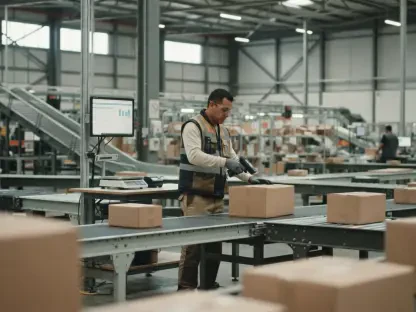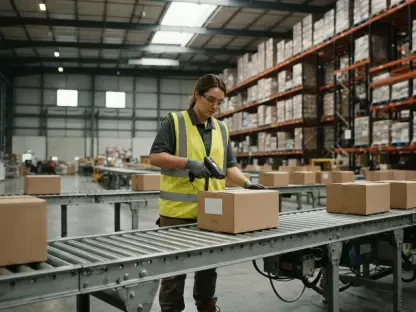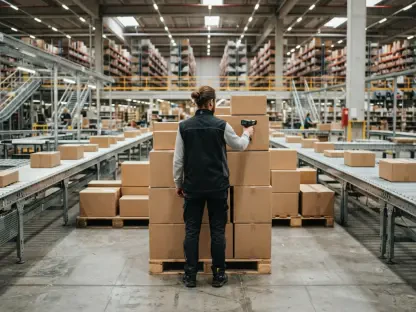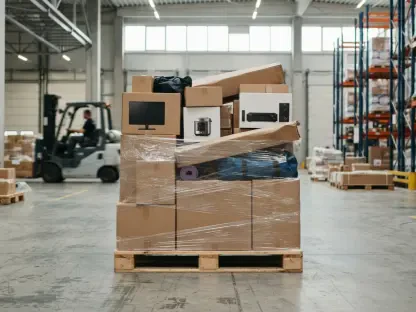

The shift toward a package-centric delivery model has fundamentally altered the financial equilibrium of the nation’s primary postal carrier, revealing deep vulnerabilities in its logistical framework. The Postal Service is currently considering the implementation of a new refusal fee to force
Offering customers shipping optionality and their choice of delivery speed serves as a significant competitive advantage during the peak winter shopping season. As logistics networks face the annual surge of e-commerce orders, the traditional reliance on a single dominant carrier has evolved from a

The hospitality industry is facing its own crisis, evidenced by Whitbread's decision to shut down established standalone restaurant brands like Beefeater and Brewers Fayre. This significant contraction in the dining sector is merely one facet of a broader economic realignment that has recently

Digital consumption patterns are currently undergoing a tectonic shift as the boundaries between aesthetic inspiration and immediate commercial fulfillment continue to dissolve into a single, unified experience. The evolution of digital shopping has moved beyond the simple utility of a search bar,

The traditional shopping journey, once defined by human intent and manual curation, is being rewritten by autonomous systems that act as both consumer and curator in a hyper-automated marketplace. Retail is no longer a simple transaction between a person and a storefront; it has evolved into a

Amazon is effectively positioning itself as the foundational infrastructure for global commerce by allowing brands to use its logistics network while keeping their own return policies. This initiative, driven by the expansion of Supply Chain Services, represents a departure from the traditional