
The partnership leverages the fact that 87% of consumers report they would shop at a local business more frequently if that business offered a compelling rewards or loyalty incentive. This core insight drives the strategic alliance between Lowe’s Companies, Inc. and the housing rewards platform Bilt, signaling a transformative shift in the retail and loyalty landscape. By aligning one of the nation’s largest home improvement retailers with a rapidly growing financial technology platform, both companies aim to redefine how consumers interact with their local economies and maintain their residences. This collaboration positions Lowe’s as the exclusive home improvement partner within the Bilt ecosystem, providing a direct pipeline to a massive audience of more than 8 million engaged members. The move is not merely a promotional tie-up but represents a deep integration involving AI-driven commerce, subscription-based service models, and a shared vision for hyper-local consumer engagement that modernizes the typical homeowner experience.
Neighborhood Commerce: Expanding Market Reach
Lowe’s is utilizing this partnership to deepen its connection with a specific demographic of renters and homeowners who prioritize community-driven platforms. By meeting consumers within the Bilt ecosystem, Lowe’s can provide products and services in a way that feels organic to the user’s lifestyle rather than a separate, intrusive marketing effort. The executive leadership at Lowe’s emphasizes the importance of simplicity and seamlessness in these interactions, ensuring that home improvement remains top-of-mind without feeling forced. This strategic move aligns with Lowe’s high ranking in digital commerce and AI integration, showcasing a commitment to evolving alongside the modern shopper. By embedding itself into a platform where users already manage their biggest monthly expense—housing—Lowe’s ensures its brand is present during critical financial decision-making moments for millions of households across the country, fostering long-term brand loyalty and trust.
For Bilt, this collaboration serves as a vital cornerstone for its expansion into what the company calls neighborhood commerce. The platform is moving aggressively beyond its original focus on housing payments to encompass mortgage rewards, local shopping, travel, and professional home services. The ultimate goal is to capture a significant portion of the estimated $6.6 trillion spent annually in person across United States retail and food services. By partnering with a retail giant like Lowe’s, Bilt transforms from a niche rent-payment tool into a comprehensive financial ecosystem that rewards everyday living. This shift recognizes that consumer loyalty is no longer built through isolated transactions but through a continuous loop of value that touches various aspects of daily life. The integration allows Bilt to offer a more robust value proposition to its members, making the platform indispensable for anyone looking to maximize the return on their local spending and improving overall satisfaction.
Dual Loyalty: Synergizing Programs for Maximum Value
At the heart of this partnership is a sophisticated dual-loyalty earning structure designed to incentivize frequent shopping through overlapping rewards. Bilt members can link their existing MyLowe’s Rewards accounts or create new ones to earn Bilt Points for every dollar spent on eligible purchases at Lowe’s. This benefit is entirely additive, meaning customers continue to earn MyLowe’s Money and enjoy standard loyalty perks like free shipping and exclusive member-only deals. This synergy creates a powerful value proposition for the consumer: the ability to earn points that can be redeemed for high-value items like travel, rent, or even a future home down payment, while simultaneously earning credit toward future home improvement projects. Such a multifaceted approach ensures that every dollar spent at Lowe’s works harder for the consumer, fostering a level of brand stickiness that traditional single-channel loyalty programs often struggle to achieve in a highly competitive and fragmented retail market.
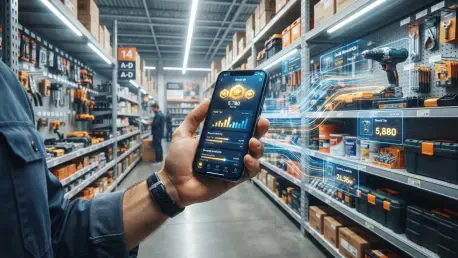
To facilitate this seamless experience, the companies are planning to launch a curated Lowe’s marketplace directly within the Bilt app by early 2027, further streamlining the path from discovery to purchase. This digital storefront will allow members to browse tools, appliances, and home decor without ever leaving the rewards environment they trust. By reducing the number of steps required to complete a transaction, the partnership addresses the growing demand for frictionless mobile commerce. Furthermore, the data generated from these interactions will allow for even more refined personalization, ensuring that the products shown to users are relevant to their specific home types and project histories. This move marks a significant departure from traditional e-commerce models, as it prioritizes a closed-loop ecosystem where discovery, purchase, and reward are all handled within a single, unified interface, effectively shortening the customer journey and increasing overall conversion rates significantly.
The Strategy: Transforming Local Retail Through Technology
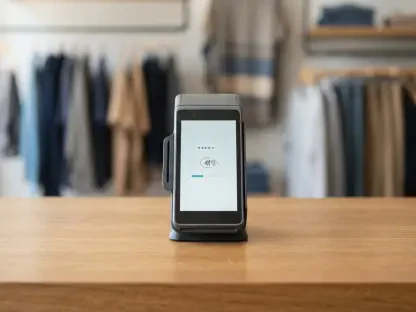
The technological engine driving this partnership is Bilt’s new Neighborhood OS, an AI-powered commerce platform that acts as a bridge between a business’s existing point-of-sale systems and the Bilt rewards network. This system allows retailers like Lowe’s to identify and target nearby consumers with personalized offers based on their geographic location and spending habits. Neighborhood OS utilizes autonomous AI agents to manage complex tasks such as customer communications, marketing campaigns, and reservation systems without human intervention. These agents have already demonstrated incredible efficiency, completing millions of actions across thousands of businesses with a high degree of accuracy and customer satisfaction. For Lowe’s, this means the ability to reach potential customers with high precision, directing them to nearby stores with incentives that are specifically relevant to their local environment and immediate home maintenance needs, ensuring that every marketing dollar is spent effectively.
This alliance fundamentally alters the landscape by turning the local neighborhood into a digital commerce hub, setting a new standard for how retailers leverage technology to foster community loyalty. For other businesses looking to replicate this success, the key takeaway is the necessity of moving beyond transactional relationships toward value-based service models. The integration of AI and subscription services provides a blueprint for creating recurring revenue while simultaneously solving real-world problems for the consumer. Looking forward, the success of this partnership suggests that the next phase of retail will prioritize hyper-localization and extreme personalization, driven by automated intelligence and shared data networks. Organizations are encouraged to seek out strategic partners that complement their core competencies while providing access to new demographics. By focusing on the holistic needs of the consumer within their local environment, brands secure long-term growth and resilience in a competitive market.