
The global winter sports industry is undergoing a fundamental transformation as brands grapple with the dual pressures of extreme seasonal volatility and the unyielding consumer demand for instantaneous digital fulfillment. The traditional model of fragmented, local distribution is rapidly giving way to a more sophisticated, centralized approach that prioritizes geographic agility and technological integration. Within this shifting landscape, the role of specialized fulfillment has become a primary differentiator for heritage brands looking to maintain market dominance while modernizing their operational footprint. As supply chains become more complex, the ability to manage oversized, high-value equipment across diverse international borders has turned logistics from a back-office function into a cornerstone of brand identity and customer experience.
The European market remains a critical battleground in the multi-billion dollar winter sports sector, serving as the cultural and economic heart for skiing and snowboarding. Historically, Western Europe served as the primary theater for these operations, but there is an observable pivot toward the “backbone” regions of Central Europe. These areas offer a strategic combination of lower operational costs and unparalleled proximity to major consumer clusters. By positioning inventory within these logistical corridors, companies can effectively service the Alpine regions and Northern Europe simultaneously, ensuring that seasonal products arrive exactly when the first snowfall hits the peaks.
Technological influences are further accelerating this evolution, as omnichannel retail strategies bridge the gap between brick-and-mortar storefronts and direct-to-consumer digital platforms. Modern sports equipment distribution now requires a seamless flow of data to ensure that a single pool of inventory can satisfy both a large-scale retail order in Zurich and an individual online purchase in Oslo. Furthermore, regulatory frameworks and increasingly stringent environmental standards are forcing brands to rethink their carbon footprints. Relocating to more central nodes is no longer just an efficiency play; it is a necessary step to meet European sustainability mandates regarding transport emissions and warehouse energy efficiency.
Evolution of the European Outdoor and Winter Sports Logistics Landscape
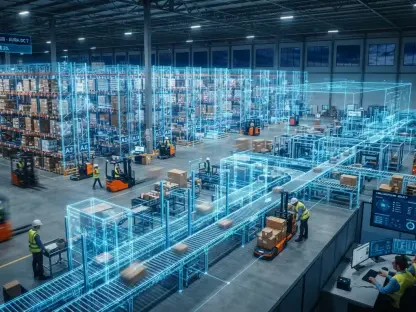
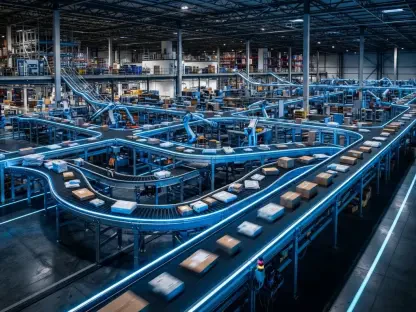
The current state of global sporting goods distribution is defined by a move away from generic warehousing toward highly specialized, purpose-built fulfillment centers. In the winter sports industry, where products like snowboards and bindings require specific handling and storage conditions, the “one-size-fits-all” approach has proven inadequate. Specialized fulfillment providers are now integrating advanced sorting systems that cater to the unique physical dimensions of outdoor gear, ensuring that delicate edges and complex mechanical parts are preserved during the high-speed transit process.
Europe’s role in this industry is foundational, yet the logistics infrastructure supporting it has historically been decentralized across various national borders. However, the emergence of Central European regions as the dominant logistical hub has provided the necessary scale to support the sector’s growth. These regions act as the connective tissue between the manufacturing centers and the high-demand markets of the West and South. As the industry looks toward the 2026 to 2030 period, the focus is shifting toward creating “zero-waste” supply chains that align with the eco-conscious values of the outdoor community.
Strategic Relocation and Modern Fulfillment Dynamics
Current Trends Reshaping European Distribution and Retail
A prominent trend currently reshaping the landscape is the transition from fragmented local warehouses to centralized, high-efficiency logistics campuses. Brands are finding that maintaining multiple smaller sites leads to inventory imbalances and higher overhead. By consolidating into a single, massive hub, companies achieve a “bird’s eye view” of their entire European stock, which drastically reduces the risk of stock-outs in critical markets. This consolidation is particularly vital for companies that experience 80 percent of their sales within a narrow four-month window, making inventory accuracy a matter of survival.
Furthermore, the rising demand for sustainability is driving a preference for optimized transport routes that minimize “empty miles” and reduce overall carbon emissions. Logistics hubs located near major motorways, such as the D5 corridor, allow for more direct shipping lanes and the potential use of greener transport alternatives. At the same time, consumer behavior continues to shift toward a digital-first expectation, where even specialized equipment like custom-tuned snowboards is expected to be delivered within forty-eight hours. This high-speed expectation requires a fulfillment center that operates with the precision of a Swiss watch, even during the most chaotic peak periods.
Market Data and Growth Projections for Seasonal Logistics
Analysis of historical performance indicators within the 25-year partnership between Burton and LOXXESS reveals a trajectory of consistent volume growth and operational refinement. Over the duration of this alliance, approximately three million parcels have been processed, illustrating the scale of demand across the continent. The decision to relocate and expand operations into the Bor facility was driven by the need to scale this performance to meet the requirements of 26 different European markets. By moving from the former German facility to a much larger site, the partners aim to future-proof their capacity against projected increases in e-commerce volume through 2029.
Performance forecasts for the 43,000-square-meter facility in Bor indicate a significant jump in throughput capacity, which is essential for managing the economic impact of the “winter peak.” This seasonal surge often dictates the success of the entire fiscal year, as revenue targets are heavily weighted toward the fourth quarter. The Czech hub is designed to handle this volatility by offering a flexible footprint that can expand or contract based on real-time demand. This scalability ensures that the facility remains cost-effective during the summer months while being fully prepared for the sudden, massive influx of orders that characterizes the snowboarding season.
Navigating Operational Challenges and Seasonal Volatility
Managing the “unforgiving timing” of seasonal demand spikes remains one of the most significant challenges in the snowboarding industry. Unlike fashion or year-round electronics, the window for selling winter gear is rigidly dictated by climate and school holidays. A delay of even a few days in the logistics chain can lead to missed sales opportunities that cannot be recovered. Therefore, the Bor facility must operate with an extreme level of readiness, ensuring that the supply chain is primed and stocked well before the first retail rush occurs in late autumn.
Logistical complexities are further compounded by the physical nature of snowboards and bindings, which are classified as oversized and “awkward” goods. These items do not fit onto standard automated conveyor belts or into uniform box sizes, necessitating a higher degree of manual handling and specialized storage racks. To overcome these hurdles, the fulfillment strategy in Bor incorporates tailored picking processes that prioritize safety and efficiency for non-standard items. This manual precision is balanced with advanced data tracking to ensure that every unique SKU is accounted for in real-time.
Workforce flexibility in the Tachov region is another critical factor for ensuring stability during peak months. The region has become a competitive theater for industrial labor, requiring companies to implement robust recruitment and retention strategies to staff up for the winter rush. By fostering a stable labor environment, the facility avoids the disruptions often caused by high turnover in seasonal industries. Additionally, centralization carries the inherent risk of a single-point-of-failure; however, this is mitigated by redundant infrastructure and a deep integration with the regional transport network.
The Regulatory Environment and Infrastructure Compliance
The strategic importance of the D5 motorway corridor cannot be overstated, as it serves as the primary artery for cross-border distribution between Eastern and Western Europe. Compliance with European transport regulations is a constant requirement, particularly concerning driver rest periods and vehicle emission standards. The Bor hub’s proximity to the German border allows for rapid transitions between different regulatory jurisdictions, ensuring that goods move smoothly across the continent without legal bottlenecks. This geographic advantage is a key component of the facility’s ability to service 26 markets from a single location.
Adhering to modern warehouse management standards involves more than just physical organization; it requires rigorous real-time data security protocols. As the industry moves toward deeper ERP integration, protecting sensitive customer and inventory data has become a top priority. The facility in Bor utilizes state-of-the-art software that complies with EU data protection laws, ensuring that the digital side of the supply chain is as secure as the physical one. This technological foundation allows for the transparency required by modern retailers who demand instant updates on stock levels and shipping statuses.
Environmental and social governance (ESG) considerations played a pivotal role in the relocation process. Moving a large-scale industrial operation requires careful planning to minimize local environmental impact and ensure that the facility contributes positively to the regional economy. The Bor site was selected partly because its infrastructure supports energy-efficient operations, from LED lighting to optimized heating systems. Moreover, the hub must navigate the complexities of servicing non-EU markets, such as Switzerland and the United Kingdom, necessitating a deep understanding of trade laws and customs procedures to prevent delays at the border.
Future Outlook: Innovation and the Next Generation of Supply Chains
Harnessing advanced Warehouse Management Systems (WMS) and ERP integration has provided the foundation for unprecedented inventory visibility. In the coming years, from 2026 to 2028, the focus will likely shift toward the integration of artificial intelligence to further predict demand patterns and optimize slotting strategies within the warehouse. This level of foresight is particularly valuable for seasonal brands, as it allows them to pre-position high-demand items closer to the shipping docks before the peak begins. Real-time data will continue to serve as the “nervous system” of the Bor hub, connecting every board and binding to a global network of retailers.
The role of “plug-and-play” logistics infrastructure is also expanding, particularly as former facilities are repurposed to support smaller e-commerce startups. This trend was evident in the transition of the Aurach facility, which LOXXESS modernized to accommodate younger brands that require high-tech logistics without the massive initial capital investment. This ecosystem approach ensures that large anchors like Burton pave the way for a more vibrant and diverse marketplace. By sharing infrastructure and expertise, the industry as a whole becomes more resilient and adaptable to changing market conditions.
Burton’s growth strategy, spearheaded by new leadership as the brand approaches its 50th anniversary in 2027, emphasizes a balance between heritage and modernization. The brand is looking to leverage its new centralized hub to support aggressive expansion into emerging markets while maintaining its commitment to sustainability. Anticipating the role of automation and AI, the next generation of supply chains will likely feature semi-autonomous picking systems that can handle the specific challenges of winter sports gear. This will allow the human workforce to focus on quality control and specialized services, such as equipment tuning and customization.
Summary of Strategic Findings and Long-Term Industry Prospects
The strategic findings of the report indicated that the geographic consolidation into the Czech Republic provided a necessary foundation for Burton’s European growth. By deepening the alliance with a long-term logistics partner, the brand secured a level of operational stability that was essential for navigating the volatile winter sports market. The analysis showed that the Bor facility served as a critical node in a global supply chain, bridging the gap between specialized manufacturing and a diverse, international consumer base. This move proved that logistical agility is no longer an optional luxury but a core requirement for any brand operating at a multi-continental scale.
Maintaining supply chain resilience required a proactive approach to both physical infrastructure and digital security. The report recommended that organizations continue to invest in flexible labor models and real-time inventory visibility to mitigate the risks of centralization. The successful transition demonstrated that modern infrastructure must be capable of adapting to extreme seasonal fluctuations without sacrificing efficiency or sustainability. These strategic recommendations provided a roadmap for other outdoor brands looking to optimize their own distribution networks in an increasingly competitive and digital-first global economy.
The final assessment concluded that the heritage of iconic outdoor brands is now inextricably linked to the sophistication of their logistical networks. As the industry looked toward the future from 2026 onward, the focus remained on creating a seamless, transparent, and eco-friendly path from the warehouse to the mountain. The relocation to Bor was not merely a change in geography; it was a commitment to a future where high-performance gear is matched by high-performance fulfillment. This transition ensured that the company remained well-positioned to celebrate its upcoming milestones with a supply chain that was as innovative as the products it carried.