
Zainab Hussain is a seasoned e-commerce strategist who has spent years dissecting how technology reshapes the retail floor and influences consumer behavior. As grocery giants like Kroger ramp up their AI investments, Zainab provides a critical look at the introduction of Tally, the six-foot inventory robot now patrolling aisles in Los Angeles. This conversation delves into the delicate balance between operational efficiency and the human element of service, examining the anxiety workers feel as digital tags and automated scanners become their new coworkers. We explore the pushback from unions, the unsettling experiences of shoppers, and the massive financial shift driving this transition.
The following discussion examines the rise of automated shelf-scanning technology and its impact on labor relations within the grocery industry. It highlights the friction between corporate goals of efficiency and the lived experience of floor associates, the psychological effects of robotics on the shopping public, and the legislative efforts being made to protect human roles in an increasingly digitized marketplace.
With six-foot robots like Tally now navigating grocery aisles to track inventory and misplaced items, how does this shift the traditional shopping experience for a customer who is used to human interaction?
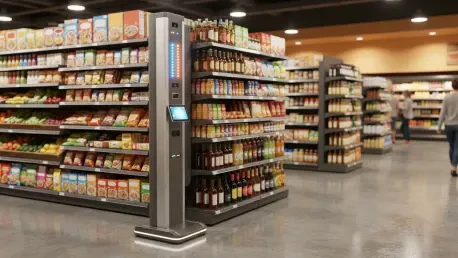
The introduction of a towering, six-foot machine with blinking eyes and vibrant purple-and-green lights creates a visceral shift in the store’s atmosphere that many shoppers aren’t prepared for. When a customer like Ricardo Valadez encounters Tally at a local Ralphs, the immediate reaction isn’t always one of convenience; instead, there is a sense of being watched or even followed through the aisles. While Simbe Robotics insists that the machine is designed solely to understand shelf conditions and not to track humans, the sheer physical presence of a 3,000-robot fleet worldwide makes the environment feel increasingly mechanical. For many, the warmth of a neighborhood market is being replaced by the sterile hum of automation, leading some shoppers to publicly voice their desire to find alternative stores where human connection still takes precedence over “AI junk.”
Workers have expressed that these robots often “show up out of nowhere,” leading to significant anxiety about the future of their roles. In what ways are these technological updates fundamentally changing the daily responsibilities of grocery store staff?
The psychological toll on employees like Rachel Fournier is profound because these changes often bypass the traditional communication channels between management and the floor. When a robot suddenly appears to handle inventory, it joins a suite of other technologies, such as digital shelf tags and self-checkout kiosks, that are already nibbling away at the diverse skill sets workers use every day. Checking for out-of-stock products and maintaining store conditions are core tasks that provide hours and stability for union members, and seeing those tasks “shopped out” to a computer feels like a direct threat to their livelihood. Kathy Finn of UFCW Local 770 has rightly pointed out that when workers find out about these major shifts only after the tech is deployed, it erodes the sense of unity and trust within the workplace.
From a strategic and financial standpoint, what is driving retailers to invest so aggressively in this level of automation right now?
The numbers behind this transition are staggering, with the retail automation market projected to skyrocket to $77 billion by 2034. We are seeing a concerted effort from executives like Kroger’s David Kennerley to spend aggressively on artificial intelligence as a primary means of cost-cutting and saving money. By August, Kroger had already deployed its 500th robot, signaling that this isn’t just a pilot program but a core operational shift involving advanced Nvidia chips and high-speed scanning capabilities. This “shelf intelligence” allows stores to analyze product placement and promotions with a level of precision that humans simply cannot match in the same timeframe, making it an irresistible financial lever for major corporations.
As unions and local governments begin to push back with ordinances and staffing requirements, what kind of guardrails are necessary to ensure that technology supports rather than erodes the labor force?
There is a growing movement to establish firm boundaries, such as the Long Beach ordinance that requires grocery chains to maintain specific staffing levels relative to the number of self-checkout stands in use. Labor advocates are worried that outsourcing union jobs to robots will not only reduce available hours for people trying to pay rent but also threaten the stability of long-term benefits and healthcare. To ensure technology acts as a tool for support, companies must move beyond the rhetoric of “assisting associates” and actually involve workers in the implementation process to prevent the erosion of the worksite community. Without these guardrails, we risk a future where the grocery store becomes a silent warehouse rather than a functioning community hub.
What is your forecast for the role of human workers in the grocery industry over the next decade?
I believe we are heading toward a period of intense friction where the human worker will transition into a “technological shepherd” role, but only if labor protections keep pace with the $77 billion automation market growth. While machines like Tally 4.0 will become faster at analyzing merchandising conditions, they cannot navigate the complex social and emotional needs of a diverse customer base. We will likely see a bifurcated market: discount-oriented chains that are almost entirely automated, and premium retailers that market “human-centric service” as a luxury feature. Ultimately, the survival of the traditional grocery worker depends on whether we value the store as a social institution or merely as a high-speed fulfillment center.