
The traditional festive atmosphere of holiday shopping is now overshadowed by an invisible digital war where milliseconds determine the difference between a successful transaction and a lost customer. As the current landscape of 2026 demands instantaneous connectivity, the surge in consumer activity has met the rigid limitations of existing digital infrastructure. Physical stores are no longer just places of commerce but have evolved into sophisticated high-tech hubs where data flow is as critical as foot traffic. This article explores the structural conflict between front-end consumer innovation and back-end operational stability, examining how the drive toward modernization can inadvertently jeopardize the checkout process during the busiest time of the year.
The holiday shopping season represents the ultimate stress test for retail infrastructure, highlighting a growing tension within the digital ecosystem. Retailers are increasingly caught in a “bandwidth battle,” a phenomenon where the very technologies intended to enhance the customer journey begin to compete with the systems necessary to finalize a sale. Understanding the strategic shifts necessary to ensure operational continuity is paramount for any business hoping to survive the seasonal rush. As the industry moves further into this digital era, the focus must shift from merely providing a service to ensuring that the underlying network can handle the weight of modern expectations.
The Evolution: Historical Context of Retail Connectivity
Historically, the primary concern for store owners during the winter months was managing physical crowds and maintaining inventory levels. Network issues were rare and usually resulted from transaction volumes exceeding the limited capacity of dial-up or early broadband connections. However, the total shift toward a cashless society and the pervasive integration of the Internet of Things has fundamentally altered this environment. Today, a stable internet connection is not a luxury but a mission-critical utility that defines the functional capacity of the store.
The transition from legacy on-site systems to cloud-dependent architectures has introduced new vulnerabilities that were previously nonexistent. While cloud computing offers remarkable scalability, it also creates a single point of failure; if the connection drops, the store effectively ceases to function. This evolution highlights a growing paradox where the technologies designed to make shopping more efficient are often the same ones placing the greatest strain on the network. Recognizing this shift is vital for understanding why modern retailers are struggling to maintain balance during peak periods.
Balancing Innovation: Operational Stability in High Traffic
Economic Analysis: The High Costs of Retail Downtime
The financial impact of network instability during peak shopping hours is staggering and continues to grow. Under standard operating conditions, point-of-sale downtime can cost a business roughly $4,700 per minute, but during high-stakes events like Black Friday, this figure can soar to $9,000 per minute. Beyond the immediate loss of revenue, technical friction causes lasting brand erosion that is difficult to repair. Modern consumers have a remarkably low tolerance for delays, often abandoning their carts after just seven minutes of waiting. Most of these customers do not return to complete the purchase, leading to a permanent loss of customer lifetime value.
Resource Conflict: Innovation versus Core Transactions
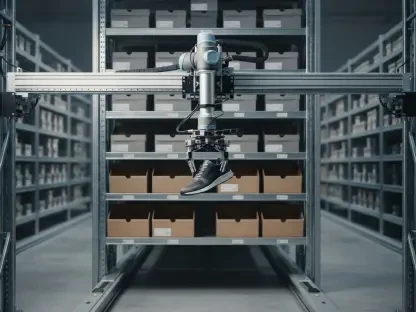
A significant challenge in the current retail environment is the internal competition for available bandwidth. Innovations such as AI-powered loss prevention cameras, interactive smart mirrors, and augmented reality displays often share the same network uplinks as mission-critical systems. When holiday traffic peaks, these high-resolution data streams can suffocate the network, causing payment terminals to lag or fail. This conflict occurs when flashy digital experiences are prioritized over the fundamental ability to process a payment, essentially blocking the path to purchase with the weight of the store’s own technology.
Geographic Variability: Regional Infrastructure Readiness
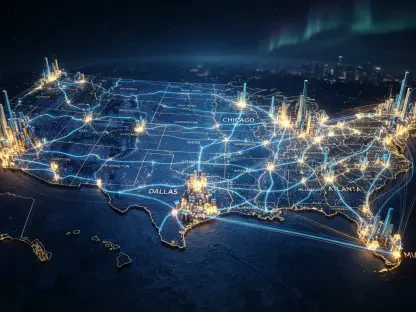
Infrastructure readiness varies significantly by region and store format, creating a complex map of connectivity challenges. Large-scale flagship stores in urban centers often struggle with signal interference and high device density, while rural locations deal with inconsistent wide-area network reliability. Furthermore, many retailers suffer from vendor lock-in, where proprietary systems prevent them from adopting more flexible, interoperable networking solutions. Addressing these complexities requires a move away from generic IT strategies toward localized, resilient frameworks that can prioritize traffic based on its immediate importance to the bottom line.
Technological Horizons: Trends in Retail Infrastructure
The future of retail networking is moving toward a more decentralized and intelligent architecture. One of the most significant shifts is the adoption of edge computing, which allows data to be processed locally rather than being sent to a distant cloud server. This reduces latency and ensures that high-bandwidth applications, like real-time video analytics, do not interfere with transaction processing. Additionally, the rise of offline-first architectures allows systems to function independently during network outages and sync data once connectivity is restored.
Technological advancements in Power over Ethernet and automated network management are also redefining industry standards from 2026 to 2028. These tools allow IT teams to manage complex environments remotely, reducing the need for expensive on-site technical support. As cybersecurity threats evolve, future-proofed networks are also incorporating automated quarantine protocols to isolate compromised devices. This ensures that a single vulnerability in a smart device does not lead to a total system shutdown during a critical sales window.
Strategic Guidelines: Frameworks for Holiday Readiness
To navigate the bandwidth battle, retailers must adopt a strategy centered on flexibility, reliability, and security. Businesses should prioritize critical applications through network slicing, ensuring the cash register always has the bandwidth it needs regardless of other digital activities. Migrating to open-standard networking equipment can prevent vendor lock-in and allow for easier integration of third-party tools. Finally, implementing redundant connectivity options, such as 5G failovers, provides a necessary safety net during peak periods when primary lines might fail.
Retailers are encouraged to conduct comprehensive stress tests well before the holiday season begins. By simulating high-traffic scenarios and identifying potential bottlenecks, IT teams can optimize their local infrastructure and ensure that the digital experience enhances the customer journey. Practical application of these strategies ensures that when the holiday rush hits, the technology remains a silent enabler of sales. Investing in these foundations allows brands to remain competitive in an increasingly crowded marketplace.
Market Synthesis: Securing Success in a Digital Era
The analysis of the seasonal landscape confirmed that the physical store has become a sophisticated digital platform requiring a robust invisible foundation. Successful retailers recognized that the core transaction remained the most important part of the shopping experience despite the lure of cutting-edge technology. They achieved long-term success by investing in resilient, flexible, and secure network infrastructures that protected their revenue and maintained customer loyalty. This approach ensured that digital innovations served their intended purpose without obstructing the path to purchase for the consumer.
The transition toward decentralized systems proved to be the most effective way to handle the volatile demands of holiday traffic. Businesses that prioritized foundational stability over superficial digital additions observed higher customer retention rates and fewer operational disruptions. Strategic focus shifted from reactive troubleshooting to proactive infrastructure management, which allowed technology to work so well that the customer never noticed its presence. Ultimately, the goal was a seamless environment where the digital and physical worlds operated in perfect harmony to support the bottom line.