

Navigating the complex interplay between technological automation and the irreplaceable human touch requires a leadership philosophy that prioritizes psychological safety and operational clarity over the traditional pressure of monthly revenue targets. In the current business environment of 2026,

Digital storefronts have shifted away from simple keyword matches toward complex algorithmic gatekeepers that now determine which consumer packaged goods earn a place in the virtual shopping cart. This transformation marks the end of traditional search engine optimization and the start of a

The landscape of digital retail is undergoing a seismic shift, moving beyond simple online storefronts toward a sophisticated, automated ecosystem where algorithms facilitate the majority of transactions. As modern companies launch comprehensive AI commerce operating systems, the industry is

As we navigate the complex landscape of modern retail, the line between physical browsing and digital purchasing continues to blur more every day. Our retail expert, Zainab Hussain, an e-commerce strategist with deep roots in customer engagement and operations management, joins us to discuss a

The global retail sector is currently navigating a period of unprecedented financial strain as inventory shrinkage and sophisticated theft reach a critical breaking point of ninety billion dollars. Retailers have historically operated on a defensive backfoot, relying on post-incident audits that
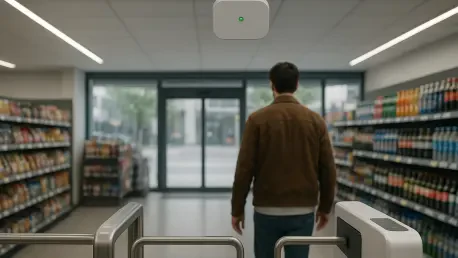
The rapid evolution of German supermarkets from static brick-and-mortar storefronts into dynamic, data-driven ecosystems signifies a fundamental shift in how the nation approaches its daily commerce. Throughout the current year, the retail market transitioned from small-scale technology experiments