
The global retail industry is currently undergoing a profound and necessary structural shift as the monolithic department stores of the twentieth century pivot toward becoming multifaceted lifestyle destinations that emphasize human experience and community engagement over the simple exchange of commodities. This evolution is driven by the realization that physical space must provide value that the digital realm cannot replicate, specifically through the curation of atmosphere, expert service, and social interaction. As urban centers continue to redefine themselves, the department store has emerged as a critical anchor, transitioning from a warehouse of goods into a gallery of lived experiences that cater to the holistic needs of the modern consumer. This transformation is not merely a survival tactic but a strategic reimagining of what it means to participate in the modern economy.
This narrative of metamorphosis is supported by substantial financial indicators that suggest a robust future for the sector. While the previous decade was marked by concerns over the viability of large-scale brick-and-mortar operations, current market evaluations place the global department store landscape at approximately 1.16 trillion dollars. Projections indicate a steady climb toward 1.76 trillion dollars by 2035, signaling a renewed confidence among investors and stakeholders. This growth is being fueled by a move away from mass-market saturation toward a more specialized model that balances luxury curation with value-driven strategies. By focusing on the unique strengths of physical locations, retailers are successfully reclaiming their relevance in a crowded and competitive global marketplace.
The Global Metamorphosis of Department Store Retail
The shift from traditional mass merchandising to experience-driven commerce represents the most significant change in retail philosophy in generations. Historically, department stores functioned as efficient distribution points for a wide array of products, relying on sheer volume and convenience to attract shoppers. However, the rise of specialized e-commerce platforms has rendered the transactional model obsolete. Today, successful retailers are those that view their floor space as a stage for storytelling and brand immersion. This shift necessitates a move away from cluttered aisles toward open, inviting layouts that encourage exploration and dwell time, effectively turning the store into a destination rather than a mere stop on a shopping list.
Analyzing the current market reveals a bifurcated landscape where different segments are finding success through distinct strategies. The luxury curation segment continues to thrive by offering exclusivity and high-touch services that appeal to affluent demographics. Meanwhile, middle-market retailers are surviving by emphasizing value and the phygital model, which seamlessly integrates digital tools into the physical shopping journey. This hybrid approach allows stores to maintain the convenience of online browsing while providing the tactile satisfaction of in-person shopping. This duality is essential for capturing a diverse consumer base that fluctuates between the need for speed and the desire for a premium, hands-on experience.
Key market players are leading this charge with localized investment strategies that have a direct impact on urban economic health. From legacy giants like Macy’s and Nordstrom in North America to international leaders like El Corte Inglés in Spain and Lotte in South Korea, the trend is toward revitalizing flagship locations to serve as cultural landmarks. These investments often include high-tech integrations such as interactive displays and localized product assortments that reflect the specific tastes of the surrounding community. By rooting themselves in the local culture, these stores become more than just businesses; they function as central nodes of urban life, driving foot traffic to neighboring shops and contributing to the overall vitality of the city center.
The Strategic Evolution of Consumer Experience and Market Growth
Emergent Trends Shaping the Lifestyle Destination Model
The rise of hospitality and dining as primary footfall drivers has fundamentally altered the floor plans of modern department stores. No longer tucked away in a corner of the top floor, restaurants, cafes, and bars are now being positioned as central attractions designed to draw shoppers in and keep them there for longer periods. Retailers have observed that the presence of high-quality dining options increases the likelihood of unplanned purchases and fosters a deeper emotional connection with the brand. This trend transforms the store into a social hub where customers meet for lunch or evening drinks, with shopping becoming a secondary, though frequent, activity that occurs naturally within the social outing.
Transitioning from transaction-based shopping to service-oriented consultation has allowed retailers to leverage their most valuable asset: human expertise. In an era where algorithms provide recommendations, the nuanced and empathetic advice of a professional consultant remains highly prized. Stores are increasingly investing in training their staff to become experts in fashion, beauty, and home design, offering personalized styling sessions and nursery advice that build long-term loyalty. This expert guidance provides a level of reassurance and inspiration that digital platforms struggle to match, effectively moving the relationship from a one-off sale to a continuous, trust-based advisory partnership.
Leveraging Artificial Intelligence for hyper-personalized front-end recommendations is the technological backbone of this new service model. AI systems analyze vast amounts of consumer data to provide sales associates with insights into individual preferences, enabling them to offer tailored suggestions as soon as a customer enters the store. Furthermore, AI-driven back-end efficiency ensures that inventory is optimized to meet the specific demands of a local demographic, reducing waste and ensuring that popular items are always in stock. The premiumization of retail is further enhanced through luxury lounges and wellness centers, where exclusive brand collaborations and high-end services create an atmosphere of pampered exclusivity that justifies a visit to the physical store.
Quantifying the Growth of the Modern Retail Landscape
A comprehensive analysis of the 4.3 percent compound annual growth rate projected through 2035 reveals a sector that is far from declining. This steady growth is the result of massive capital injections into store refurbishments and brand transformations that prioritize quality over quantity. For instance, multi-million pound investments in regional flagships demonstrate a commitment to long-term viability and a belief in the enduring power of the high street. These renovations are not merely cosmetic; they involve structural changes that facilitate the integration of new technologies and hospitality services, ensuring that the physical estate is equipped to handle the demands of a modern, tech-savvy consumer base.
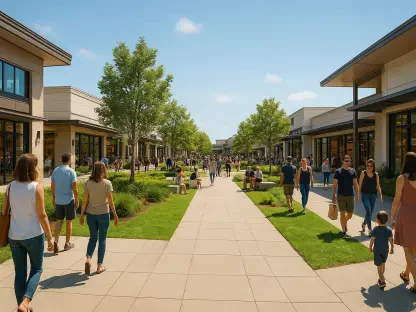
The economic impact of these store transformations extends beyond the retail sector itself, influencing the broader development of urban spaces. Data-driven projections suggest a significant expansion of mixed-use developments in emerging Asia-Pacific and Middle Eastern markets, where the department store serves as the anchor for residential, office, and entertainment complexes. In these regions, the department store is viewed as a catalyst for urban growth, attracting investment and providing a template for how commerce and community can coexist. This integrated approach ensures that retail spaces remain relevant by becoming an indispensable part of the daily lives of the people who live and work in these burgeoning urban centers.
By focusing on high-growth regions and investing in the modernization of existing assets, global retailers are positioning themselves to capitalize on the rising middle class and increasing urbanization. The economic health of these stores is increasingly tied to their ability to act as social anchors, providing a sense of place and community that is often missing in purely digital commerce. As these markets mature, the success of the department store model will depend on its ability to adapt to local cultural nuances while maintaining the global standards of service and technology that consumers have come to expect. This strategic flexibility is the key to maintaining a positive growth trajectory in a rapidly changing global economy.
Overcoming Structural and Digital Complexities
Addressing the intense competition from global e-commerce giants requires a honest appraisal of the death of the high street narrative that has dominated retail discourse for years. While it is true that many legacy brands have struggled, those that have survived have done so by leaning into their unique advantages rather than trying to compete solely on price or convenience. The physical store offers a tactile and sensory experience that digital platforms cannot replicate, and by emphasizing these strengths, retailers can mitigate the impact of online competition. The challenge lies in creating a compelling reason for the consumer to leave their home, which necessitates a focus on discovery, entertainment, and human connection.
Strategies for mitigating high overhead costs are becoming increasingly sophisticated as retailers adopt automated inventory management and demand forecasting tools. These technologies allow for a leaner operational model, reducing the amount of unsold stock and optimizing the use of floor space. By using data to predict which products will sell in specific locations at specific times, stores can significantly lower their carrying costs and improve their margins. This operational efficiency is crucial for maintaining profitability in an environment where rent, labor, and energy costs continue to rise. Furthermore, automation in the supply chain ensures that products move more quickly from warehouse to shelf, reducing the friction that can lead to lost sales.
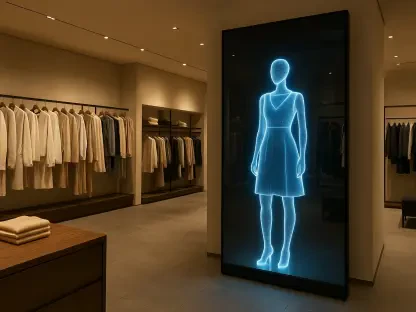
Resolving friction points in the consumer journey is another critical area of focus, with technologies like smart mirrors and AR fitting rooms becoming more common. These tools allow shoppers to visualize products in different colors or styles without having to physically try them on, streamlining the shopping process and making it more engaging. Mobile checkout systems further enhance the experience by eliminating long lines and allowing sales associates to complete transactions anywhere on the floor. Balancing the high-touch requirements of personalized service with the high-tech demands of modern logistics is a delicate act, but it is one that is necessary for creating a seamless and satisfying shopping journey that meets the expectations of today’s consumers.
Regulatory Frameworks and the Drive for Ethical Standards
Navigating the impact of Environmental, Social, and Governance criteria on retail infrastructure has become a primary concern for modern department stores. As consumers become more conscious of their environmental footprint, they are increasingly looking for retailers that demonstrate a commitment to sustainability. This has led to a push for energy-efficient store designs, with many brands investing in LED lighting, advanced climate control systems, and sustainable building materials. Compliance with these energy-efficiency standards is not only a regulatory necessity but also a powerful marketing tool that can help build brand loyalty among younger, environmentally aware demographics.
The implementation of sustainable supply chain audits is another key component of this ethical shift. Retailers are now expected to have full visibility into how their products are made and where their materials come from, ensuring that their suppliers adhere to strict labor and environmental standards. This transparency is essential for maintaining consumer trust and avoiding the reputational damage that can result from unethical practices. By auditing their supply chains, department stores can identify and address potential risks, ensuring that their operations are both ethical and resilient. This focus on sustainability extends to packaging and waste reduction, with many stores moving toward circular economy models that encourage recycling and reuse.
The role of data privacy regulations is also becoming more prominent as retailers increasingly rely on AI-powered consumer analytics. While data is essential for providing a personalized experience, it must be handled with care to avoid infringing on consumer privacy. Retailers must be transparent about how they collect and use data, providing shoppers with clear options for managing their information. Furthermore, understanding the labor implications of modern retail shifts is vital, as the move toward a more service-oriented model requires a highly skilled and engaged workforce. Employee-owned business models, which empower workers and give them a stake in the company’s success, are being looked at as a way to improve retention and service quality in this new retail era.
Forecasting the Future of Interactive Commerce
The transition toward smaller, highly curated physical footprints that function as brand showrooms is a trend that is expected to accelerate in the coming years. Rather than trying to stock every possible item, stores will focus on a carefully selected range of products that reflect their brand identity and cater to the specific tastes of their local audience. These showrooms will serve as points of discovery where customers can interact with products and seek expert advice before making a purchase, which can then be fulfilled through an integrated digital system. This model reduces the need for large inventory spaces and allows retailers to open locations in high-traffic urban areas where large-scale sites are unavailable or prohibitively expensive.
Predicting the role of smart stores as central nodes in a global digital and social network reveals a future where the physical and virtual worlds are indistinguishable. These stores will use advanced technologies such as the Internet of Things and 5G connectivity to create a fully immersive environment where every interaction is captured and analyzed to improve the consumer experience. Customers will be able to interact with brands through social media platforms while in the store, sharing their experiences in real time and influencing their social circles. This integration of the physical and social allows the department store to function as a powerful marketing tool, amplifying the brand’s reach far beyond its physical walls.
Future market disruptors, including virtual consultations and autonomous fulfillment centers, will continue to challenge and refine the department store model. Virtual consultations will allow customers to access expert advice from the comfort of their homes, while autonomous fulfillment centers will ensure that online orders are processed and delivered with unprecedented speed. How global economic conditions and urbanization dictate the next generation of anchor retail formats will be a key area of study for industry analysts. As cities become more densely populated, the need for efficient, multipurpose spaces that offer a mix of commerce, culture, and community will only grow, ensuring that the department store remains a central figure in the urban landscape for decades to come.
Synthesizing the New Retail Paradigm and Investment Potential
The critical factors for survival in the experience-led economy are now clearly defined, focusing on the integration of technology, the elevation of service, and the creative use of physical space. Retailers that successfully navigate this transition are those that view their stores as more than just a place to sell products, but as a vital part of the social fabric of their communities. The department store’s relevance as a social center and lifestyle consultant is higher than ever, provided it can offer an experience that is authentic, engaging, and personalized. For stakeholders, the recommendation is clear: invest in infrastructure that supports digital-physical fluidity and prioritize the development of expert, human-centric service models that can compete with the efficiency of algorithms.
The long-term viability of the lifestyle hub model depends on a commitment to continuous innovation and a willingness to adapt to changing consumer behaviors. Retailers must be prepared to iterate on their store designs and service offerings, using data to inform their decisions and stay ahead of emerging trends. This requires a shift in mindset from a static retail model to a dynamic one that is constantly evolving in response to the world around it. By embracing this new paradigm, department stores can ensure their place at the heart of the global economy, providing a space where commerce and culture meet in a way that is both profitable and meaningful. The focus must remain on creating value that extends beyond the transaction, fostering deep and lasting connections with the consumer.
The transformation of the department store into a lifestyle hub represented a decisive shift in the retail landscape that addressed the changing needs of a global audience. Investors prioritized physical-digital fluidity and recognized that the store of the future functioned as much as a social center as a retail site. This strategic pivot successfully revitalized traditional high streets and provided a roadmap for how legacy industries could thrive in a tech-driven world. By centering the human experience, retailers demonstrated that physical presence remained a powerful asset in an increasingly virtual society. This approach not only secured the financial future of the sector but also enriched the cultural and social life of urban centers around the world. Moving forward, the industry learned that the key to resilience lay in the ability to balance operational efficiency with a genuine commitment to community engagement and service excellence.