
Efficiency in the modern retail sector is no longer just about moving boxes from one location to another but about mastering the complex dance between predictive data and physical fulfillment. Specialized retailers catering to the rural lifestyle segment face unique pressures to maintain availability for a diverse range of agricultural and home improvement goods. To address these demands, Tractor Supply is aggressively modernizing its infrastructure to ensure that products remain in stock across its vast network of stores.
The Modern Landscape of Retail Logistics and Niche Distribution
The “Life Out Here” market segment requires a supply chain that is both robust and flexible, handling everything from livestock feed to power equipment. By controlling 81% of its merchandise through an internal distribution network, the company reduces dependence on third-party vendors and gains greater control over inventory flow. This centralized approach allows for a more responsive strategy when consumer preferences shift unexpectedly.
A strategic $200 million investment in regional infrastructure serves as the backbone of this logistical evolution. The development of specialized distribution centers ensures that high-demand products are staged closer to the stores they serve. This geographic optimization is a critical component in maintaining a competitive edge against generalist retailers that lack the specific facilities needed for bulky agricultural inventory.
Transforming Operations Through Technological Innovation and Market Growth
The Emergence of AI-Driven Logistics and Automated Warehousing
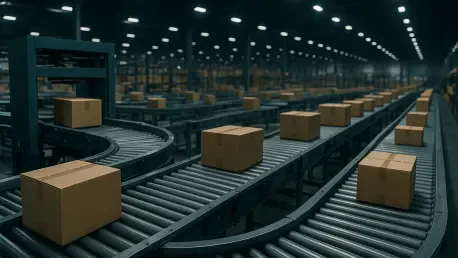
Automation is the primary driver of throughput at the newest distribution hubs, where speed and precision are paramount. The deployment of the Knapp Automated Storage and Retrieval System allows for the high-density storage and rapid sequencing of goods. This technology replaces labor-intensive manual sorting with a streamlined process that minimizes errors and accelerates the movement of pallets from the warehouse to the delivery truck.
A dedicated artificial intelligence innovation team works alongside warehouse operators to identify and solve real-world bottlenecks. This group focuses on refining the algorithms that govern product movement, ensuring that the most frequently purchased items are the easiest to access. By transitioning toward high-level automation, the company improves both operational safety and the overall capacity of its regional logistics network.
Quantifying the Impact of Regional Expansion and Capacity Scaling
The 865,000-square-foot facility in Nampa, Idaho, demonstrates the scale of this technological shift. While the center currently serves 123 retail locations across the Northwest, it was engineered to accommodate the growth of over 200 stores as the company expands its footprint. This scalability ensures that the initial capital investment will continue to deliver value as the regional store count increases in the coming years.
Performance indicators suggest that the facility significantly enhances outbound shipping capabilities for states like Oregon, Washington, and Nevada. By localizing distribution, the company reduces the time inventory spends in transit, allowing for leaner store-level stock without risking shortages. This expansion into the Northwest is a key component of a broader plan to dominate regional markets through logistical efficiency.
Navigating Operational Hurdles and Geographic Distances
The vast distances of the Intermountain West often translate to high transportation costs and complex fuel management. To mitigate these expenses, Tractor Supply moved away from vendor-direct shipping in favor of a centralized internal management model. This transition requires sophisticated route planning software to ensure that every truckload is maximized for efficiency and that delivery times remain predictable despite geographic challenges.
Resilience is further tested by the integration of a massive workforce with new automated systems. Training 500 new full-time employees to operate alongside advanced robotics requires a focused management strategy that prioritizes both skill development and safety. By creating a collaborative environment between human workers and AI-driven tools, the company maintains high productivity during the critical ramp-up phases of new facilities.
Governance, Compliance, and Safety Standards in Automated Facilities
Automated conveying systems have fundamentally changed the safety profile of the modern warehouse. These systems reduce the need for manual heavy lifting, which helps lower the risk of occupational injuries and ensures compliance with strict labor regulations. Furthermore, the standardization of these logistics blueprints across different states allows for a consistent approach to safety and operational training.
Data security remains a top priority for the innovation teams handling proprietary AI developments. Governance protocols are in place to protect the logistics data that informs inventory forecasting and store replenishment. By maintaining high standards for both physical safety and digital integrity, the company ensures that its technological advancements do not introduce new risks to the broader enterprise.
The Future of Autonomous Distribution and Regional Fulfillment
The shift toward data-driven logistics management represents a major disruption in the specialty retail sector. Future applications of AI are expected to focus heavily on predictive inventory forecasting and sophisticated route optimization. These tools will allow the company to anticipate regional demand spikes before they occur, ensuring that seasonal goods are positioned in the right locations at the right time.
Localized distribution centers provide a necessary hedge against global supply chain volatility by keeping essential inventory within domestic borders. The inclusion of extra physical acreage at new sites indicates a long-term plan for e-commerce growth and further automation. As consumer habits continue to evolve, the ability to rapidly adapt physical space and digital systems will be the defining factor in retail longevity.
Strategic Synthesis: Building a Resilient and Data-Centric Supply Chain
The Nampa facility established a new benchmark for how niche retailers managed their physical and digital assets. It proved that the integration of robotics and AI could coexist with massive regional expansion without sacrificing operational stability. Leaders determined that the next logical step involved deploying similar automated storage systems in existing eastern facilities to harmonize the entire network.
Stakeholders observed that the strategic synthesis of data-centric management and physical infrastructure provided a sustainable path for growth. The success of the Idaho hub validated the massive capital expenditure and provided a roadmap for future physical acreage expansion. Ultimately, the company secured its position by treating data as a tangible commodity equal in value to the inventory it moved.