
Modern physical retailers are currently fighting a silent battle against the invisible efficiency of e-commerce platforms where every click is tracked and analyzed with surgical precision. To bridge this divide, Smart Retail Analytics has emerged as a critical framework that transforms the traditional storefront into a data-driven environment. By utilizing existing security infrastructure, these systems offer a granular view of the shopper journey, providing insights that were once exclusive to the digital realm. The technology acts as a bridge, allowing brick-and-mortar businesses to reclaim control over their operational efficiency by understanding consumer behavior in real-time.
Introduction: The Evolution of Smart Retail Analytics
The shift toward intelligent storefronts is driven by the need to eliminate the data gap between a customer entering a shop and the final transaction at the register. Traditional methods relied heavily on intuition or limited sales data, which failed to account for the nuances of physical browsing. Smart Retail Analytics changes this by repurposing standard CCTV cameras into active business intelligence tools that monitor every interaction within the store.
This technology does not merely record footage; it interprets it to create a comprehensive map of consumer habits. By integrating computer vision with sophisticated algorithms, retailers can now observe the entire behavioral funnel. This advancement is particularly vital in the current economic landscape of 2026, where rising labor costs and shifting consumer expectations demand higher levels of precision in store management and resource allocation.
Core Pillars: The Architecture of the Smart Retail Ecosystem
Computer Vision: Passive Data Acquisition and Interpretation
The primary strength of this system lies in its ability to extract actionable insights from visual data without requiring active participation from shoppers. Unlike Point-of-Sale systems that only log completed purchases, computer vision identifies high-engagement zones and calculates dwell times for specific displays. This allows managers to identify “drop-off points” where potential buyers decide against a purchase, providing a clear picture of what was considered and ultimately abandoned.
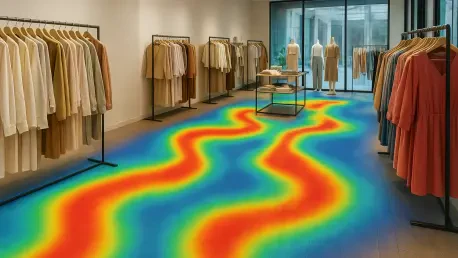
Furthermore, this passive acquisition method ensures that the data collected is a true reflection of natural behavior. By monitoring footfall and movement patterns, the technology creates heat maps that reveal how customers navigate the floor. This level of detail is unique because it quantifies the “why” behind sales figures, rather than just the “what,” enabling a more sophisticated approach to merchandising and inventory planning.
Integrated Synergy: Strategic Partnerships and Hardware Integration
The effectiveness of these analytics is significantly boosted through technical collaborations that streamline deployment and reduce costs. For instance, leveraging cloud computing through Amazon Web Services ensures that massive amounts of video data are processed securely and efficiently. This synergy allows retailers to scale their operations without investing in heavy local server infrastructure, making advanced AI accessible to a broader range of business sizes.
Another critical component is the integration with Electronic Shelf Labels (ESL), which facilitates dynamic pricing based on real-time demand and inventory levels. When data from computer vision indicates high interest in a specific product, prices can be adjusted instantly via digital signage. This automated loop ensures that the store remains responsive to market conditions, effectively turning the physical environment into a living, breathing digital interface.
Emerging Trends: Market Dynamics and the Scaling Model
The retail sector is currently moving away from reactive reporting toward a more proactive management style characterized by “prove before scaling” strategies. Retailers often begin with proof-of-concept pilots to justify the initial investment through measurable returns, such as improved conversion rates. This phased approach, spanning from 2026 to 2027, helps organizations build trust in AI-generated recommendations before committing to a full-scale rollout across hundreds of locations.
A noticeable trend is the democratization of AI, which is no longer the exclusive domain of tech giants. Specialty retailers and convenience stores are adopting these tools to combat rising operational expenses. By using AI to automate staff scheduling based on predicted footfall, businesses can ensure they are neither overstaffed nor understaffed during peak hours. This movement toward data-backed decision-making represents a fundamental shift in how local retail operations are conducted.
Sector Deployment: Practical Applications in Retail Environments
Shopper Journey: Optimizing Flow in High-Volume Locations
In high-volume settings like supermarkets, the primary application is the refinement of store layouts to maximize profitability. AI identifies bottlenecks where customers congregate, allowing managers to redistribute popular items to improve traffic flow. These adjustments do more than just improve the customer experience; they directly impact the bottom line by ensuring that high-margin products receive maximum visibility.
The technology also plays a crucial role in staff optimization by predicting busy periods with high accuracy. By analyzing historical and real-time movement data, the system suggests the most efficient times for restocking or opening additional registers. This level of operational foresight ensures that the shopper journey remains seamless, reducing frustration and increasing the likelihood of return visits.
Beyond Retail: Cross-Industry Implementation and Safety
While the retail floor is the most obvious beneficiary, the core principles of video analytics are finding utility in transit hubs and educational institutions. In these settings, the technology focuses on safety and crowd management rather than sales. By monitoring crowd density, administrators can prevent overcrowding and ensure that emergency exits remain clear, demonstrating the versatility of the underlying algorithms.
Hospitals also utilize these systems to monitor patient movement and optimize the flow of medical staff through corridors. In these high-stakes environments, the ability to identify unusual movement patterns can lead to faster response times during emergencies. This cross-industry adoption highlights that the value of smart analytics lies in its fundamental ability to interpret human movement, regardless of the specific commercial objective.
Implementation Barriers: Regulatory Constraints and Privacy
Despite the clear advantages, the adoption of smart analytics faces significant hurdles regarding data protection and privacy compliance. Maintaining customer anonymity is not just a legal requirement but a technical necessity to build consumer trust. Ensuring that facial recognition is either omitted or strictly anonymized is a complex task that requires constant oversight and robust encryption protocols.
Moreover, the transition from historical data to real-time diagnostics requires a significant cultural shift within management teams. Leaders must learn to trust AI-generated insights over traditional intuition, which can be a slow process. The requirement for high computational power also means that businesses must carefully manage their digital infrastructure to avoid lag or system failures during critical operating hours.
Future Trajectory: Predictive Diagnostics and Autonomous Management
Looking toward 2027, the technology is expected to evolve into a fully realized “AI Store Manager” capable of predictive diagnostics. Rather than simply describing past events, the system will recommend specific actions to mitigate predicted bottlenecks before they occur. This shift will mark the transition from a monitoring tool to an autonomous optimization engine that handles routine management tasks.
This progression will likely result in stores that can adjust their own environments—such as lighting, temperature, and digital signage—based on the real-time needs of the crowd. As the AI becomes more sophisticated, it will be able to simulate various layout changes virtually before any physical shifts are made. This predictive capability will allow retailers to experiment with new strategies in a risk-free digital twin environment.
Final Assessment: The Innovation of Smart Retail Logic
The deployment of Smart Retail Analytics successfully transformed visual data into a powerful engine for commercial growth. Reviewing the initial implementations showed that the technology did more than just count people; it provided a narrative for the physical shopping experience. Success was found when businesses moved beyond using AI as a security measure and instead embraced it as a foundational element of their strategic planning.
The integration of cloud partnerships and electronic labels proved that a unified technological ecosystem was more effective than isolated tools. Organizations that prioritized privacy and data transparency were able to gain a competitive edge by fostering customer loyalty. Ultimately, the move toward predictive diagnostics indicated that the future of retail would be defined by a store’s ability to anticipate human needs before they were even expressed.