
A single supermarket transaction in Belgrade now triggers a highly synchronized sequence involving barcode scanning, weighing scales, loyalty verification, and real-time tax reporting. This operational complexity highlights how far the Serbian retail technology sector has progressed, transitioning from a localized market into a sophisticated regional hub for Southeast Europe. The transformation is not merely about replacing cash registers with digital screens; it represents a fundamental shift in how commerce is conducted, managed, and regulated within a modern economy. By blending international engineering standards with specialized local innovations, the market has created a resilient infrastructure capable of supporting both global hypermarket chains and burgeoning e-commerce platforms. This evolution is driven by a necessity to balance high-speed efficiency with stringent regulatory demands, making the Serbian tech landscape a unique intersection of global enterprise logic and regional fiscal precision.
The current retail environment in Serbia is defined by its ability to serve as a testing ground for advanced technological integrations. This progress is underpinned by a diverse ecosystem of providers who have moved beyond simple software delivery to offering comprehensive, integrated solutions. These players have successfully navigated the challenges of a mandatory electronic fiscalization system, which serves as a critical technical filter for any solution entering the market. Because every transaction must be reported in real-time to the tax authorities, the retail technology stack in Serbia is inherently more complex than in many western markets. This regulatory landscape has fostered a specific brand of expertise, where technical reliability is inseparable from legal compliance, positioning Serbian firms as essential partners for international brands looking to expand into the Balkan region and beyond.
Enterprise Infrastructure: The Global Influence on Local Markets
Scaling Retail: Large-Scale Engineering Hubs
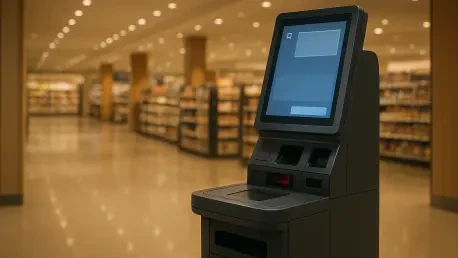
NCR Voyix stands as the most prominent force in the Serbian retail technology landscape, leveraging its massive, state-of-the-art campus in New Belgrade as a global center of excellence. This facility is far more than a satellite office; it functions as a critical engine for engineering and innovation, housing advanced laboratories and cross-functional teams that support some of the world’s largest retail operations. For Serbian retailers, the presence of such a localized global giant means that high-volume transaction systems and advanced self-checkout (SCO) terminals are not just imported products, but solutions that are supported and iterated upon within the country. This creates a feedback loop where global best practices in retail automation are directly applied to the local market, ensuring that Serbian supermarkets operate with the same level of technical sophistication as their counterparts in London or New York.
The impact of these large-scale engineering hubs extends beyond hardware delivery, deeply influencing the local talent pool and technical standards. By maintaining a high density of specialized engineers and support staff in Belgrade, these organizations have elevated the expectations for system uptime and operational reliability across the entire industry. This infrastructure is particularly vital for the digital transformation of the checkout experience, where the emphasis has shifted from manual input to automated, frictionless interactions. In high-traffic environments where every second of downtime translates into significant financial loss, the enterprise-grade reliability provided by these hubs offers a necessary safety net. The resulting ecosystem is one where large-scale retailers can manage thousands of interconnected devices with a level of precision that was once reserved only for the most advanced global economies.
Digital Transformation: The Evolution of the Checkout Experience
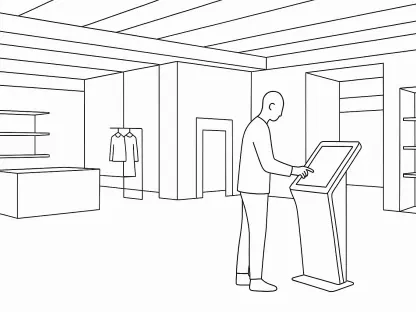
Modernizing the point of sale is no longer a luxury but a fundamental requirement for staying competitive in a market that demands speed and transparency. The evolution of the Serbian retail space is characterized by a transition from monolithic, isolated cash registers to interconnected digital touchpoints that communicate with a central nerve system. This shift is most visible in the rapid adoption of self-service technologies and mobile payment integrations, which have reshaped the physical layout of stores and the flow of customer traffic. These advancements allow retailers to optimize their labor costs while simultaneously providing a more controlled and personalized shopping experience for the consumer. The technology behind these terminals is increasingly sophisticated, incorporating AI-driven weight sensors and visual recognition systems to reduce errors and prevent shrink during the self-checkout process.
Furthermore, the integration of digital loyalty programs directly into the transaction workflow has allowed Serbian retailers to move toward data-driven decision-making. Every time a customer scans a barcode or uses a mobile wallet, the system captures valuable insights that are used to refine inventory management and promotional strategies. This level of interconnectivity ensures that the front-end transaction is never an isolated event but a data point that informs the entire supply chain. By centralizing these operations, retailers can maintain a unified view of their business, allowing for real-time adjustments to pricing and stock levels. This digital maturity is a direct result of the robust infrastructure provided by major technology players, who have laid the groundwork for a retail environment that is as much about data management as it is about selling physical goods.
Navigating Regulatory Hurdles: Business Integration and Compliance
Specialized Compliance: Middleware and International Expansion
Fiscal Solutions, operating out of Novi Sad, has carved out a critical niche by addressing the most significant technical barrier to entry in the Serbian market: mandatory electronic fiscalization. In an environment where the legal framework requires every receipt to be registered with the government in real-time, the “fiscal middleware” provided by such specialists becomes the indispensable bridge between global software and local law. This allows multinational retailers to maintain their standardized global Point of Sale (POS) configurations while ensuring that every transaction adheres to the specific legal requirements of the Serbian Tax Administration. The ability to manage these complex regulatory bridges has made Novi Sad a hub for compliance expertise, with local firms implementing thousands of fiscalization projects across dozens of international jurisdictions.
The technical complexity of this middleware involves more than just sending a data packet to a government server; it requires constant monitoring of changing legislation and the ability to maintain security protocols that protect sensitive financial data. For international brands entering Serbia, partnering with local compliance specialists is a strategic necessity that reduces the risk of legal penalties and operational delays. These specialists provide a layer of abstraction that shields the retailer from the intricacies of local tax code, allowing them to focus on their core commercial activities. This specialized sector of the Serbian tech industry highlights the high caliber of local engineering, demonstrating a capacity to solve niche problems that have broad implications for international commerce and regional economic stability.
Unified Management: Bridging the Gap with ERP Solutions
Datalab SR and DignetSoftware represent the growing trend of unified business management, where the distinction between the front-of-house sales terminal and the back-office accounting ledger is virtually eliminated. Datalab’s PANTHEON software exemplifies the “business-in-a-box” philosophy, which is particularly effective for small-to-medium enterprises (SMEs) that require a holistic view of their operations without the overhead of massive enterprise systems. When a sale occurs at a retail location, the system instantly updates inventory levels, triggers accounting entries, and refreshes branch reports. This level of integration eliminates the “integration tax”—the wasted time and potential for error that occurs when a business tries to manually synchronize data across disparate software platforms—enabling smaller retailers to operate with the efficiency of much larger competitors.
On the enterprise side, the focus shifts to leveraging global ecosystems like Microsoft Dynamics 365, where providers like DignetSoftware implement sophisticated retail-specific modules. This approach is centered on the concept of “unified commerce,” which ensures that a retailer’s pricing, inventory, and customer data remain consistent across all physical and digital channels. In the current Serbian market, consumers increasingly expect a seamless omnichannel experience, such as the ability to check stock levels online before visiting a physical store or returning an e-commerce purchase at a local branch. By building on top of world-class enterprise frameworks, these providers offer Serbian retailers a pathway to international standards of operational efficiency and customer engagement. This unified architecture is the foundation upon which modern, scalable retail brands are built, providing the necessary data consistency to support rapid expansion.
Agile Innovation: Future Industry Trends and Cloud Adoption
Modern Commerce: Cloud-Based Solutions and SaaS
The agile segment of the Serbian retail tech scene, led by innovators such as Boka Group, is driving a decisive shift toward cloud-native and Software-as-a-Service (SaaS) models. These organizations specialize in providing modern, flexible tools that are specifically designed for the era of digital-first retail and distance selling. By offering cloud-based Electronic System for Issuing Receipts (ESIR) and Local Fiscal Receipt Processors (LPFR), these companies have lowered the barrier to entry for e-commerce startups and specialized boutique shops. This transition away from heavy, on-premise hardware allows smaller players to access professional-grade fiscal compliance and inventory tools with minimal upfront investment. The use of API-centric designs and pre-built plugins for platforms like WooCommerce ensures that even the smallest digital merchant can integrate their sales directly into the national fiscal network.
This trend toward SaaS reflects a broader industry movement where value is increasingly found in data processing and accessibility rather than physical equipment. Cloud-based systems provide retailers with the ability to manage their entire operation remotely, offering real-time visibility into sales performance and stock levels from any location. This flexibility is essential in a market that is rapidly digitizing, as it allows businesses to scale their technology usage up or down based on seasonal demand or growth trajectories. By decoupling the retail software from specific hardware devices, these agile providers have introduced a level of flexibility that was previously unattainable. This shift not only democratizes access to advanced retail tools but also ensures that the Serbian retail market remains adaptable to the changing preferences of a more tech-savvy consumer base.
The Next Frontier: Automation and Artificial Intelligence
As the market looks from 2026 toward the end of the decade, the integration of Artificial Intelligence (AI) and advanced automation into existing ERP and POS systems is emerging as the next significant frontier. Retailers are no longer satisfied with simple data collection; they are now seeking intelligent systems capable of demand forecasting, fraud detection, and automated replenishment. By applying machine learning algorithms to the vast amounts of transaction data generated at the point of sale, Serbian tech providers are helping retailers predict shopping patterns with unprecedented accuracy. This leads to more efficient supply chains, reduced waste in perishable categories, and a more responsive inventory that aligns with actual consumer behavior. The ability to automate these complex analytical tasks allows store managers to focus more on customer service and less on manual administrative duties.
Furthermore, the role of AI in security and loss prevention is becoming increasingly critical as self-checkout and autonomous store formats become more common. Advanced visual recognition systems can now distinguish between different types of produce or detect suspicious scanning behavior in real-time, providing a layer of security that does not impede the customer experience. This move toward “intelligent” retail environments is being facilitated by the robust data foundations laid by the previous years of digital transformation. As Serbian technology firms continue to incorporate these advanced capabilities into their core offerings, they are ensuring their relevance in a global market where efficiency is driven by algorithmic insight. The successful adoption of these technologies will likely define the leaders of the Serbian retail sector for years to come, as the focus shifts from basic digitization to sophisticated optimization.
Strategic Importance: Technical and Legal Mastery
Sustaining Growth: The Nervous System of Serbian Commerce
The Serbian retail technology sector has successfully positioned itself as a vital component of the national economy by mastering both global commercial efficiency and local regulatory necessity. This dual competency creates a competitive environment where international giants and nimble local firms push each other toward greater innovation. The coexistence of these different types of providers ensures that every retailer, regardless of their size or operational complexity, can find a technology stack that is specifically tailored to their needs. From the enterprise-scale hardware of New Belgrade to the specialized compliance middleware of Novi Sad, the sector provides a comprehensive support system that enables commerce to function smoothly across the country. This diversity is the strength of the market, offering a range of solutions that can adapt to the unique pressures of the Balkan economic landscape.
Ultimately, the technology provided by these companies serves as the “nervous system” for Serbian commerce, orchestrating every detail of the transaction process behind the scenes. The efficiency of these integrations determines not only the speed of the checkout line but also the overall health and transparency of the retail economy. As Serbia continues to refine its digital infrastructure and integrate more deeply with European economic standards, the tech sector remains a cornerstone of this evolution. The ability of these firms to maintain high standards of technical and legal mastery ensures that the Serbian market is well-equipped to handle the challenges of a globalized, data-driven retail environment. The ongoing investment in both human capital and technical infrastructure suggests that the country will continue to serve as a key player in the regional retail technology landscape.
Future Considerations: Strategic Steps for the Retail Sector
In light of the rapid advancements observed through 2026, retailers and technology providers must prioritize several strategic actions to maintain their competitive edge and ensure long-term sustainability. The primary focus moved toward the total integration of data streams, where the silos between e-commerce, physical storefronts, and logistics providers were finally dismantled to create a truly unified commerce environment. Businesses should seek to invest in modular, API-first architectures that allow for the easy addition of new technologies, such as AI-driven customer insights or blockchain-based supply chain tracking, without requiring a complete overhaul of their existing systems. This approach to “future-proofing” is essential in a landscape where technological cycles are becoming increasingly shorter and the cost of being obsolete is rising.
Furthermore, the importance of cybersecurity and data privacy cannot be overstated as retail systems become more interconnected and dependent on the cloud. Protecting consumer data and maintaining the integrity of fiscal reporting systems must remain at the forefront of every technical implementation. Organizations were encouraged to adopt rigorous security frameworks and conduct regular audits to safeguard their operations against increasingly sophisticated digital threats. By focusing on these core areas—interoperability, advanced analytics, and robust security—the Serbian retail sector can build on its recent successes and continue to provide a model for digital transformation in Southeast Europe. The lessons learned during this period of intense modernization provided a roadmap for other industries looking to balance innovation with regulatory compliance in an increasingly complex global economy.