
High-traffic grocery stores have long remained the final frontier for digital automation, yet the collaboration between Sensei and Grupo Muffato has finally breached this barrier by turning brick-and-mortar locations into sentient data ecosystems. This review examines the rise of Autonomous Retail Intelligence, a field where physical commerce is no longer a passive experience but a continuous stream of interpreted data. By deploying what they term “Conscious Spaces,” these companies have successfully shifted the industry focus from simple self-checkout kiosks to holistic environments that understand customer intent in real-time. This partnership, particularly within the Latin American market, marks a significant transition toward fully digitized retail management.
Introduction: Autonomous Retail and Conscious Spaces
Autonomous Retail Intelligence represents the total integration of artificial intelligence into the physical shop floor. Unlike previous iterations of retail tech that merely automated the final transaction, these new systems create environments that see, interpret, and react to every interaction. Sensei has pioneered this through “Conscious Spaces,” which are designed to eliminate the friction of traditional shopping while providing retailers with unprecedented visibility into their operations.
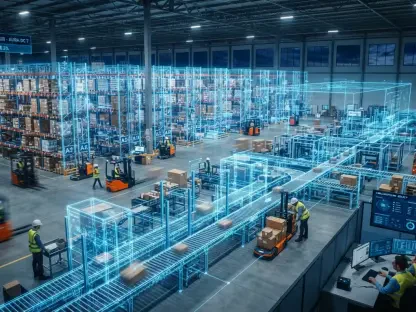
The shift toward these intelligent systems reflects a move away from isolated automated checkouts. Instead, the entire store becomes a single, unified management system where data flows from the shelves to the backend in milliseconds. The implementation of the Muffato Go store serves as a primary example of how this technology scales within complex, high-volume grocery environments.
Core Technical Components: The Sensei Platform
Computer Vision: Sensor Fusion and Tracking
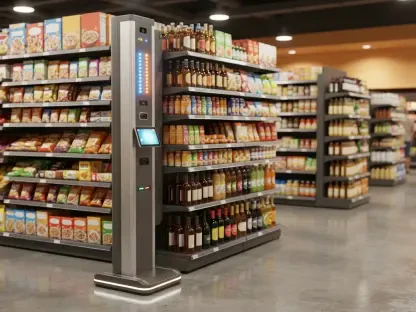
The Sensei platform relies on a sophisticated combination of ceiling-mounted cameras and sensor fusion to monitor the shopping journey. This technology tracks customer movement and product interaction with high precision, creating accurate virtual shopping baskets. Crucially, the system maintains privacy through pseudonymized tracking, which identifies shoppers as anonymous digital entities rather than using invasive biometric data. This approach ensures security and speed without compromising the personal data of the consumer.
Deep Learning: Complex Inventory Management
Deep learning models handle the most difficult aspects of grocery retail, such as identifying variable-weight items like fresh produce and bakery goods. While traditional autonomous systems often struggle with items that lack standard barcodes, Sensei’s AI processes these variables by cross-referencing visual data with integrated sensor inputs. This capability allows the technology to function effectively even during peak hours in large-format stores, where the volume and variety of products are highest.
Emerging Trends: Physical Store Digitization
Retailers are now utilizing these systems to achieve a depth of data previously exclusive to e-commerce. Real-time shelf monitoring has become a standard feature, allowing the AI to detect low stock or misplaced items and immediately alert the staff. This shift toward “task-based” operations means that store employees are no longer required to perform manual inventory checks, as the system directs them exactly where they are needed. This automation significantly reduces waste and improves the overall efficiency of the supply chain.
Real-World Applications: Global Implementations
The Muffato Go store in Curitiba stands as a landmark for large-scale autonomous retail. This implementation has proven that the technology is not limited to niche convenience spots but can handle the logistical demands of a full-sized grocery store. Furthermore, the system enhances online order fulfillment by turning the physical store into a high-efficiency “dark store” hybrid. Because the AI tracks every item in real-time, online inventory remains perfectly synchronized with what is physically present on the shelves.
Challenges and Barriers: Widespread Adoption
Despite these advancements, technical hurdles remain in scaling computer vision for massive inventories with diverse product shapes. High initial capital expenditure for hardware and the need for significant computing power can deter smaller retail chains. Additionally, there is a necessary period of consumer adaptation, as shoppers must learn to trust the precision of an invisible checkout process. Continuous efforts to refine AI models through millions of interactions are required to maintain the accuracy levels demanded by global retail standards.
Future Outlook: The Next Phase of Retail
Looking ahead, the development of retail intelligence will likely focus on breakthroughs in predictive analytics. From 2026 to 2028, these systems will move beyond reacting to current data and begin predicting consumer needs and potential stock shortages before they occur. This evolution toward machine-driven intuition will offer even greater loss prevention and logistical transparency, ultimately increasing the profitability of the global retail sector.
Conclusion: Assessment of Autonomous Retail
The partnership between Sensei and Grupo Muffato effectively validated the commercial potential of large-scale autonomous retail. This transition enabled the retail sector to address long-standing inefficiencies in stock management and labor allocation. Future considerations emerged regarding the integration of these AI systems with decentralized supply chains to further reduce carbon footprints. The adoption of such technologies became the benchmark for any store seeking to remain relevant in a post-manual shopping world. Ultimately, the successful deployment in high-volume environments provided the necessary evidence that retail intelligence was the definitive solution for operational transparency.