The traditional concept of a digital storefront is rapidly dissolving as sophisticated artificial intelligence agents redefine how products are discovered, evaluated, and ultimately purchased in the modern economy. For years, the homepage served as the virtual lobby of a brand, but the rise of

The rapid departure from the traditional model of retail therapy has created a landscape where consumers prioritize longevity over the immediate gratification of a seasonal sale or a trending social media recommendation. This transition signals the end of a long-standing era where the arrival of
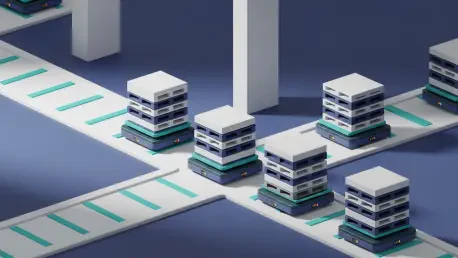
The rhythmic hum of a multibillion-dollar logistics engine is no longer powered by manual toil but by the silent, calculated precision of artificial intelligence. This shift marks a fundamental departure from traditional warehousing, which for decades relied on massive labor forces to manage the
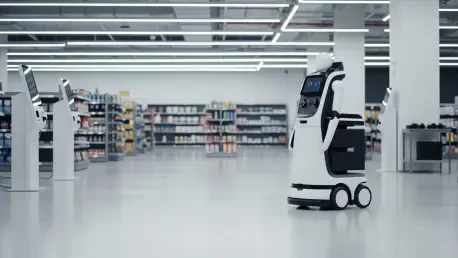
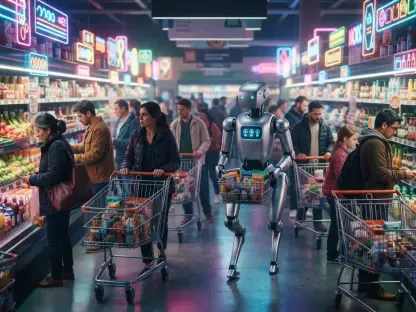
The silent, rhythmic glide of a fully autonomous cleaning unit navigating a complex maze of shopping carts and late-night patrons represents a fundamental departure from the labor-intensive retail models of the past decade. As retail environments become increasingly high-pressure, the emergence of

The modern retail landscape functions as an intricate web where the success of high-level corporate strategy relies entirely on the cognitive bandwidth of the individual store managers who serve as the final link to the customer. This pivotal role requires a delicate balance between executing

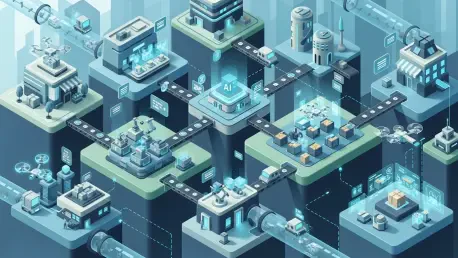
The traditional boundaries of the European marketplace are dissolving as retailers transition from digital storefronts to intelligent ecosystems where machines negotiate with machines to fulfill consumer desires. The current landscape of European retail is defined by a relentless drive toward