
The traditional cycle of garment production has long been shackled by the physical limitations of fabric and freight, forcing designers into a slow dance with prototypes. AI-driven visualization is fundamentally rewriting this narrative by digitizing the tactile world through sophisticated algorithmic modeling. Platforms like Fermat provide the essential infrastructure for retailers to replace physical samples with hyper-realistic digital assets. This transformation is not merely about aesthetic upgrades; it represents a systemic shift in how brands manage the life cycle of a product from initial sketch to final procurement.
Modernization in this context involves creating a seamless bridge between a creative concept and its commercial reality. By integrating these tools, companies can equip their buying teams with the ability to see products that do not yet exist in the physical realm. This digital-first approach allows for a level of precision that traditional mood boards never could provide, as it accounts for the physics of light and material interaction. The resulting agility enables a brand to react to shifting consumer demands with a speed that defines the current competitive landscape.
Core Pillars: AI-Powered Design and Procurement
High-Fidelity Virtual Rendering and Prototyping
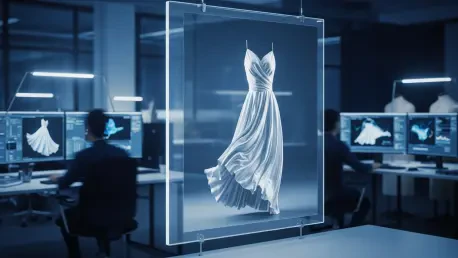
The core of this technology lies in its ability to simulate the physics of textiles with startling precision. Advanced AI engines calculate how light interacts with specific weaves and how gravity affects various drapes, creating a single source of truth for the entire team. This eliminates the ambiguity often found in traditional sketches, ensuring that buyers and creators are looking at the exact same digital reality before a single thread is cut.
Moreover, this digital fidelity extends to the granular details of styling and accessorizing. Designers can test how a specific button or zipper placement alters the overall aesthetic of a garment without waiting for a physical sample to be shipped. Such a capability allows for a deep analysis of product viability early in the process, reducing the risk of costly production errors. It effectively moves the quality control phase to the very beginning of the design journey.
Rapid Design Iteration: Workflow Agility
Performance is often measured by the speed at which a concept can evolve into a final design. Designers can now swap color palettes or adjust silhouettes in seconds rather than waiting weeks for new samples. This agility allows retailers to pivot based on sudden cultural shifts or supply chain fluctuations. By compressing the development window, brands gain a strategic advantage, moving from trend identification to digital readiness at a pace that was previously impossible.
In contrast to older CAD systems, these AI tools use generative models to suggest variations that a human designer might not immediately consider. This collaborative process between human intuition and machine calculation results in a more diverse range of product options. The workflow becomes a fluid conversation where feedback is implemented instantly, fostering a culture of experimentation that is not penalized by the costs of physical waste or shipping delays.
Emerging Trends: Digital Fashion Evolution
A pivotal shift is currently occurring where creative intuition meets cold, hard data. Retailers are beginning to feed consumer loyalty insights directly into the AI visualization engine to guide the design process. This ensures that virtual renders are not just beautiful, but are mathematically aligned with what the customer is actually likely to purchase. The industry recognition of these tools through global innovation benchmarks suggests that AI is now a priority for the executive suite.
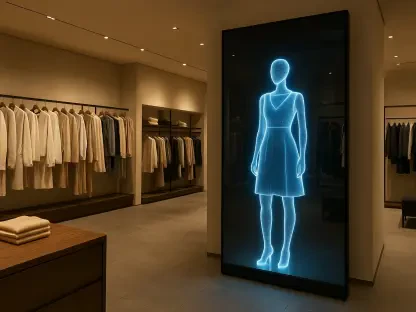
Furthermore, the focus is moving toward total environment visualization. Instead of just looking at a single garment, AI now allows retailers to visualize how entire collections will appear in a physical or digital storefront. This holistic view helps in planning merchandising strategies long before the inventory arrives. By aligning the design phase with the final presentation, brands can ensure a cohesive narrative across all consumer touchpoints.
Real-World Applications: Industry Implementation
In the UK fashion sector, the adoption of tools like Fermat is driving a significant reduction in environmental footprints. By cutting down on the need for physical prototypes, brands are lowering their carbon output and overhead costs. These implementations allow human designers to shed mundane technical tasks. Instead of focusing on manual rendering, they can devote their energy to high-value activities such as analyzing consumer behavior and predicting style trends.
However, the implementation goes beyond simple cost-cutting. It empowers teams to create more personalized experiences for their core demographics. By using AI to visualize how a product looks on various body types and in different lighting conditions, retailers can offer a more inclusive and transparent view of their offerings. This transparency builds trust, as customers are presented with digital representations that closely mirror the final physical product they will eventually receive.
Overcoming Technical and Operational Hurdles
Transitioning to a fully digital workflow is not without friction. Maintaining the “golden thread”—the link between a digital dream and a wearable reality—requires constant calibration between the AI and actual manufacturing capabilities. There is also a significant learning curve for veteran design teams who must adapt to a software-centric environment. Successful implementation hinges on ensuring these tools act as an extension of the designer’s hand rather than a restrictive automation layer.
Additionally, the integration of these tools with existing enterprise resource planning software remains a technical challenge. Data must flow freely from the visualization engine to the procurement and supply chain modules to be truly effective. Many organizations are currently navigating these technical silos to create a unified data ecosystem. Overcoming these hurdles requires a cultural shift within the company, where digital fluency is prioritized at every level of the organization.
Future Outlook: The Next Frontier of Retail Technology
Moving toward the future, the focus will shift toward hyper-personalization powered by predictive modeling. Future iterations of these systems will likely anticipate consumer desires before a trend even surfaces on social media. As the technology matures, it will embed itself into the global retail infrastructure, making it an indispensable asset for any brand aiming to survive in a marketplace where consumer patience is at an all-time low.
The next generation of AI visualization will also likely incorporate more immersive elements, such as haptic feedback simulations that allow buyers to “feel” the weight and texture of a digital fabric. This will further dissolve the boundaries between the virtual and physical worlds. As these tools become more intuitive, they will democratize high-level design, allowing smaller boutique brands to compete with global giants through sheer creative efficiency and digital prowess.
Concluding Assessment: AI-Powered Retail Visualization
The evaluation indicated that AI-powered visualization successfully bridged the gap between creative ambition and operational efficiency. It proved that human creativity, when augmented by high-fidelity rendering, could meet the demands of an omnichannel market more effectively than traditional methods. Organizations that adopted these tools found themselves better positioned to anticipate market volatility and deliver relevant products with unprecedented speed.
Strategic investments in these digital platforms allowed retailers to move away from reactive models toward proactive, data-informed design strategies. The verdict favored a complete integration of AI tools as a foundational element of modern retail rather than a peripheral luxury. Ultimately, the successful deployment of this technology required a balance between technical precision and the preservation of the human artistic voice.