
The criteria for a superior customer experience are expanding to include how effectively a retailer’s infrastructure communicates with autonomous purchasing agents. This marks a departure from the traditional human-centric design that defined the early digital era. In 2026, the retail environment

Security investigators are currently analyzing whether the refrigeration attacks in France are technically linked to the infrastructure failures at Ahold Delhaize. This investigation unfolds against a backdrop of increasing digital volatility within the global supply chain, where the vulnerability

While Coupang offers an ecosystem including grocery delivery and streaming, its razor-thin profitability remains a point of concern for value-oriented investors. The global retail landscape in 2026 is no longer defined merely by who sells the most products, but by the underlying philosophy of the

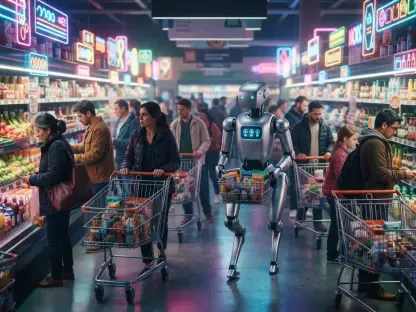
A modular design philosophy allows MUSE robots to be repurposed for varied tasks including floor cleaning, customer guidance, and in-store security. This versatility marks a significant departure from the early days of retail automation, where machines were often viewed as cumbersome experiments

Managing the transition to agentic commerce involves closing the gap between the rapid adoption of AI technology and the infrastructure required to oversee its execution. As the digital landscape moves away from the traditional attention economy, a new era of intention-driven transactions is taking

The health and wellness sector is utilizing hyper-curated AI technology to suggest protein-rich snacks and personalized treats tailored to specific dietary needs. This shift represents more than a mere convenience; it marks the beginning of a total overhaul in the global retail landscape as