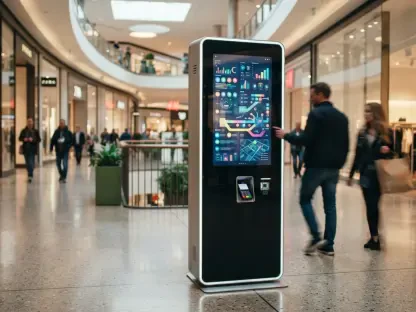

This new scanning system acts as a powerful deterrent against criminals who attempt to swap genuine iPhones for worthless substitutes. For many years, major technology retailers have struggled with the sophisticated “box-swapping” technique, where fraudsters purchase high-end smartphones and return them after replacing the device with clay, metal plates, or non-functional dummy units. Previously, Apple Store staff had to physically break the factory seal on every returned box to verify its contents, a process that immediately devalued the product and prevented it from being sold as brand new. This manual inspection was often prone to human error, as modern resealing tools can mimic original packaging with startling accuracy. By implementing a high-tech scanning solution, the company is effectively closing these vulnerabilities while maintaining the integrity of its inventory. This shift not only protects the brand’s bottom line but also ensures that the “sealed” promise remains a mark of absolute authenticity.
Advanced Diagnostics: Repurposing Wireless Infrastructure
The underlying technology behind this diagnostic advancement represents a sophisticated evolution of hardware first introduced in the early months of 2024. Originally designed to facilitate wireless software updates for iPhones while they remained in their shipping boxes, the system has been significantly expanded to perform deep-level component verification. Utilizing a specialized pad that generates a localized wireless field, the device can initiate a low-power communication protocol with the internal hardware of a sealed iPhone. This allows the system to poll specific serial numbers for the logic board, battery, and camera modules without requiring the device to be powered on by a human operator. This non-invasive method provides an immediate cryptographic confirmation that the device inside the box matches the unique identifiers printed on the external packaging.
Consequently, any attempt to harvest expensive internal parts before returning the device is instantly flagged during the intake process at the Genius Bar. Beyond simple serial number verification, the scanning hardware conducts an automated health check to ensure that the device has not been subjected to unauthorized modifications or physical tampering. By analyzing the electromagnetic signature of the components, the system can detect if third-party parts or weighted substitutes have been placed inside the original chassis. The automated nature of this scan removes the burden of judgment from retail employees, replacing subjective visual inspections with objective, data-driven results. This technical barrier significantly raises the cost and complexity for organized fraud rings, as circumventing a hardware-level cryptographic handshake is vastly more difficult than simply mimicking a plastic seal.
Strategic Implementation: Implications for Future Retail Standards
Integrating these contactless diagnostics into the standard retail workflow provides a dual benefit that addresses both logistical overhead and the overall customer experience. Under the previous regime, a legitimate customer returning a device faced a lengthy waiting period while staff checked for tampering, only for the product to be relegated to “open-box” status and sold at a discount. Now, the return process is a quick scan that takes seconds, allowing verified units to return to the active inventory immediately as new stock. This efficiency is vital for maintaining healthy supply chains during peak seasons, such as the period from 2026 to 2028, when inventory turnover is high. Moreover, this system enhances consumer confidence by guaranteeing that any factory-sealed product purchased from a store has undergone a rigorous verification process.
Retailers were forced to consider how such proprietary verification systems redefined industry standards for asset protection and consumer trust. The successful rollout of this scanning technology suggested that the future of retail rested in the seamless integration of hardware diagnostics and secure software handshakes at every point of the product lifecycle. Industry leaders prioritized the development of similar contactless auditing tools to minimize human error and reduced the environmental impact of unnecessary repackaging. By focusing on cryptographic hardware identity, organizations created a more transparent marketplace where the integrity of a device remained indisputable. This shift proved that proactive technological investment was the most effective way to combat evolving criminal tactics while simultaneously improving operational fluidity and maintaining brand integrity. Moving forward, the adoption of these standards became a prerequisite for any electronics manufacturer seeking to maintain a premium brand image.