
The traditional boundaries between grocery retail and data science are rapidly dissolving as companies realize that consumer purchase history is a more valuable asset than the physical inventory sitting on the shelves. Mexican retail powerhouse Grupo Comercial Chedraui is currently spearheading this transformative shift, moving beyond conventional commerce to establish a high-margin revenue ecosystem. This evolution is defined by two major, simultaneous initiatives: the launch of a sophisticated media network and a massive MX$7.8 billion capital investment aimed at saturating the State of Mexico with new physical locations. This dual-pronged approach is designed to create a self-reinforcing cycle where an expanding physical footprint generates a wealth of first-party consumer data, which is then monetized through targeted advertising services. By deepening domestic density and diversifying income streams, the company aims to insulate its balance sheet from fluctuating market conditions and specific headwinds currently affecting international operations.
The Strategic Evolution of Grupo Comercial Chedraui
The current trajectory of the retail sector suggests that the most successful players are no longer just merchants; they are technology-driven platforms. Historically, grocery retailers operated on razor-thin margins, relying purely on high-volume product turnover to maintain profitability. However, the rise of sophisticated point-of-sale systems and digital loyalty programs has transformed these companies into repositories of invaluable consumer insights. By leveraging these assets, a business can transition from a passive seller to an active participant in the brand-marketing lifecycle. This shift is critical as traditional brick-and-mortar models face increasing pressure from rising operational costs and shifting consumer expectations.
Foundations of Growth: The Shift to Data Monetization
To understand this current trajectory, one must recognize the foundational shifts within the retail industry where data has become the primary currency. The transition from a simple merchant to a data-rich platform allows a company to weather economic shifts that might otherwise cripple traditional operations. Chedraui has spent years building its loyalty program, which now serves as the bedrock for modern innovations. This historical progression provides the necessary scale to implement advanced advertising technologies that require a massive pool of active participants to be effective.
Moreover, the accumulation of first-party data offers a significant competitive advantage over third-party advertising platforms. As privacy regulations tighten and digital tracking becomes more restricted, retailers who own their customer relationships hold the keys to the most accurate marketing information available. This structural advantage allows for the creation of a closed-loop system where advertising spend can be directly linked to actual purchases. Consequently, the retailer becomes an indispensable partner for brands looking to optimize their marketing budgets in a crowded marketplace.
Synergizing Digital Innovation and Physical Footprint
Chedraui MediMonetizing the Transactional Customer Journey
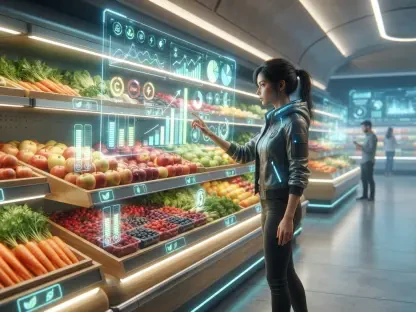
The centerpiece of the digital transformation is the debut of Chedraui Media, a division that represents a bold entry into the burgeoning field of retail media. Unlike traditional advertising that relies on inferred interests or general demographics, this network leverages verified purchase history. With approximately 14 million active loyalty members and hundreds of millions of annual transactions, the network provides a granular look at consumer behavior. Advertisers can now reach customers based on actual purchase habits rather than speculative browsing history, optimizing promotional spending to drive higher conversion rates and repeat purchases.
This media ecosystem operates across multiple integrated channels to ensure a comprehensive presence throughout the shopping trip. In-store digital signage reaches customers at the critical point of purchase within physical aisles, while on-site e-commerce platforms present sponsored products to active online shoppers. Additionally, off-site digital networks extend the reach of first-party data to target customers across the broader internet. A key advantage of this system is its ability to provide “closed-loop sales attribution,” meaning brand partners can directly measure the incremental lift of a campaign.
Strategic Physical Expansion: The Supercito Format
While the media division focuses on digital frontiers, the organization is simultaneously doubling down on its physical presence with a MX$7.8 billion investment. The cornerstone of this expansion from 2026 to 2030 is the “Supercito” format—small-scale convenience stores designed for rapid urban expansion. By retrofitting existing commercial spaces, construction timelines and capital expenditure are significantly reduced. These stores are designed to fit into dense neighborhoods, improving product availability in both metropolitan hubs and rural regions. This hyper-local accessibility not only captures market share but also serves as a critical data collection hub.
Market Dynamics: Navigating Volatility and International Headwinds
The aggressive domestic push serves as a crucial defensive hedge against challenges in the United States division. Currently, U.S. chains are grappling with softer demand and reduced customer traffic due to regional macroeconomic factors. In contrast, the Mexican domestic market remains a pillar of growth, showing resilient same-store sales performance. By pivoting focus toward the State of Mexico—a region that has already seen significant retail investment—the company is leaning into a favorable economic environment. This regional focus allows for the offsetting of international dips with robust local performance, ensuring a balanced corporate portfolio.
Emerging Trends: The Future of Retail Media
Looking ahead, the integration of retail media networks is expected to become the industry standard for major grocers. We are likely to see an increase in the use of artificial intelligence to implement predictive analytics, which will anticipate consumer needs before they even enter the store. Furthermore, the shift toward omnichannel experiences—where the transition between in-store digital signage and online shopping is seamless—will define the next phase of competition. As technology continues to evolve, the ability to deliver personalized offers in real-time will become a primary differentiator for market leaders.
Actionable Strategies: Navigating a Data-Driven Marketplace
For professionals observing this shift, the primary takeaway is the necessity of first-party data ownership. Organizations should prioritize loyalty programs that offer clear value to the consumer in exchange for actionable insights. Additionally, adopting a flexible physical expansion model allows for greater market penetration with lower overhead. Marketing sectors should focus on developing transparent reporting systems to provide clear sales attribution to stakeholders. By investing in physical density and digital intelligence simultaneously, businesses can create a more stable revenue base that is less susceptible to the volatility of any single market.
Sustaining Momentum: The Outlook for North American Retail
The synthesis of high-margin retail media and a dense neighborhood network represented a fundamental pivot for the organization. By prioritizing first-party data ownership, the company mitigated the risks associated with traditional merchant models and created revenue streams that transcended grocery limitations. Strategic investments in the State of Mexico allowed for a robust local performance that balanced international fluctuations. Future considerations involved the expansion of predictive analytics and the refinement of closed-loop attribution models to maintain a competitive edge. Ultimately, the integration of physical and digital assets provided a definitive blueprint for long-term retail sustainability.