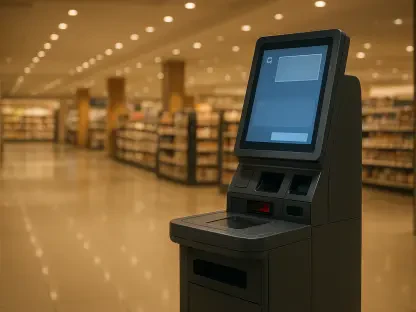

Retailers across the United States are currently navigating a complex landscape where high-speed technological innovation frequently collides with the rising tide of consumer protection legislation. The shift toward automation is no longer a peripheral experiment but a core strategy for maintaining competitiveness in an increasingly data-driven market. Electronic Shelf Labels, or ESLs, represent the pinnacle of this transition, replacing labor-intensive paper tags with sleek digital displays that can be updated in seconds. Major industry leaders like Walmart, Kroger, and Whole Foods have spearheaded this rollout, viewing digital integration as a vital component of modern storefront management.
The significance of operational efficiency cannot be overstated, as these digital systems offer substantial labor savings and environmental benefits by eliminating the need for thousands of printed tags each week. By automating the pricing process, stores can redirect personnel to focus on inventory management and customer service, thereby optimizing the store-level workforce. Moreover, the environmental sustainability of removing single-use paper labels aligns with broader corporate social responsibility goals. However, this push for technical modernization has created a new intersection between retail technology and government regulation, sparking a debate over the ethics of pricing speed.
Modernization Trends and the Economic Impact of Digital Displays
Technological Drivers and Evolving Shopper Expectations
Digital displays enable a level of synchronization between online platforms and physical stores that was previously impossible to achieve manually. This real-time management ensures that a price seen on a mobile application is identical to the one displayed on the shelf, thereby reducing customer friction and increasing confidence in price accuracy. Automation minimizes the risk of human error, which is a frequent source of mismatched pricing that leads to disputes at the register. Furthermore, the ability to control pricing from a centralized corporate hub allows for updates to be executed in a fraction of the time, streamlining store-level operations.
Shoppers now expect the same level of transparency and speed in a physical store that they experience during online transactions. The removal of the manual price-tagging process allows stores to respond more quickly to market shifts, ensuring that promotions and stock clearances are reflected instantly. This centralized corporate control is intended to manage price updates more effectively across expansive retail networks, ensuring that regional price adjustments are consistent and accurate. This shift represents a broader trend where the physical grocery aisle is becoming as dynamic and data-driven as any e-commerce storefront.
Market Projections and the Expanding ESL Footprint
The adoption of ESL technology is projected to grow significantly from 2026 to 2028 as grocery and big-box chains seek to stabilize their overhead costs. Market indicators show a strong correlation between the implementation of digital tags and a decrease in long-term operational expenses, particularly in high-volume environments. Retailers are increasingly viewing these systems as essential infrastructure rather than optional upgrades. The expanding footprint of digital displays is expected to reach the majority of Tier-1 retail locations within the next few years, provided that legislative hurdles do not create a permanent barrier to entry.
Performance indicators suggest that stores utilizing ESLs experience better inventory turnover and fewer losses due to pricing errors. Nevertheless, the cost of initial implementation remains high, requiring a clear return on investment through labor savings and improved customer retention. As more chains move toward full-state rollouts, the industry is closely monitoring how consumer behavior shifts in response to more frequent pricing updates. Forecasts for the retail tech sector remain optimistic, though they are now tempered by the reality of increasing government scrutiny into algorithmic price determination.
Navigating the Friction Between Innovation and Consumer Trust
A significant trust gap has emerged as the public grapples with the implications of algorithmic price management. Many consumers fear that digital tags are merely a vehicle for price gouging or the manipulation of costs based on individual shopping habits. This concern is often shared by labor unions, which view the automation of pricing as a step toward labor displacement and a reduction in available retail jobs. The United Food and Commercial Workers Union has been particularly vocal, suggesting that the convenience of digital tags should not come at the expense of the retail workforce or the stability of grocery costs.
Technical hurdles also persist, specifically regarding the security of closed systems that retailers claim protect consumer privacy. To build trust, retailers are being challenged to prove that their ESLs do not include hidden sensors or microphones intended for data collection. Strategies for transparency involve clear communication about how and when prices change, as well as maintaining ethical pricing models that avoid predatory behavior. By focusing on shopper-centric benefits, such as instant access to nutritional information or loyalty discounts via QR codes on the tags, retailers hope to bridge the gap between technological ambition and public acceptance.
To mitigate these fears, some retailers have conducted public demonstrations to show how their internal systems prevent unauthorized price spikes. For instance, technical barriers are often programmed into handheld devices to reject manual attempts to drastically inflate costs at the store level. This defense highlights a policy where associates are empowered to implement markdowns or rollbacks, while the authority to raise base prices remains strictly centralized at the corporate level. By maintaining such closed systems, the industry attempts to distance digital tags from the controversial algorithms associated with surveillance pricing.
The Regulatory Framework: New Jersey’s Fair Price Protection Act
The New Jersey moratorium represents a significant pause in the momentum of retail automation, as the state seeks to understand the long-term impact of digital pricing. The Fair Price Protection Act defines surveillance pricing as the use of personal data to determine individual costs, a practice that the law explicitly bans. Similarly, surge pricing, or the rapid increase of prices during periods of high demand, has been flagged as a primary concern for legislators. This moratorium requires a state-mandated study to ensure that the implementation of ESLs does not lead to discriminatory practices that disadvantage certain demographics.
Maryland has introduced similar protections, signaling a growing national trend toward a more regulated retail environment. These legislative efforts focus on ensuring that innovation does not bypass the fundamental right of the consumer to have a predictable and fair shopping experience. The role of compliance is now a top priority for corporate legal departments, as they must navigate a patchwork of state laws that may dictate the frequency and nature of price updates. This regulatory landscape is forcing a standardization of retail technology that emphasizes consumer safety over mere speed.
The Future of Dynamic Pricing and Ethical Retail Technology
The long-term viability of ESLs in a highly regulated environment will likely depend on the industry’s ability to self-regulate before more stringent laws are enacted. AI-driven pricing remains a potential market disruptor, offering the allure of optimized profit margins while simultaneously heightening fears of a lack of transparency. To counter this, some developers are working on consumer-first tools that allow shoppers to track price history directly on their smartphones. This competition between corporate efficiency and consumer empowerment will define the next phase of the retail experience as technology continues to evolve.
Global economic conditions and persistent inflation also influence the debate over price stability. In a digitized landscape, the traditional concept of rollbacks and seasonal promotions is being reimagined as a corporate-controlled function that can be deployed instantly. This ability to adjust prices in response to supply chain shifts can be beneficial for stability, but only if the consumer perceives the changes as fair and predictable. The challenge for the retail sector is to ensure that digitized pricing feels like an upgrade to the shopping experience rather than a tool for corporate overreach.
Balancing Technological Progress with Market Stability
The conflict between retail efficiency and the demand for price predictability was resolved through a new emphasis on proactive policy and transparency. Retailers found that providing clear, public-facing documentation about their pricing logic successfully rebuilt consumer confidence. Independent audits of ESL systems became the industry standard, ensuring that digital displays were used strictly for operational accuracy rather than individual surveillance. These measures allowed the technology to flourish while simultaneously providing the legislative clarity that lawmakers required to protect the public interest.
Future considerations for the industry included the establishment of a fair price certification for stores that adhered to strict transparency guidelines regarding digital updates. This certification helped consumers distinguish between stores that prioritized ethical pricing and those that favored aggressive algorithmic shifts. Ultimately, the industry moved toward a balanced approach where the benefits of automation were enjoyed without sacrificing the trust that is foundational to the retail market. The evolution of the storefront was characterized by a collaborative effort between tech developers, retailers, and regulators to define a more stable and equitable digital marketplace.