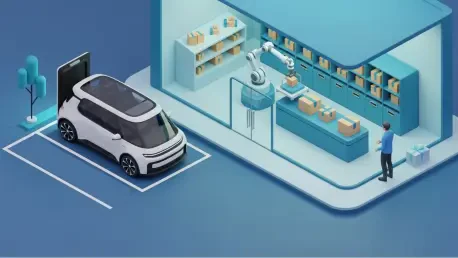

The Convergence of Digital and Physical Retail
The commercial landscape has transitioned into a sophisticated era where the distinction between a digital transaction and a physical acquisition is no longer a binary choice but a unified experience. At the center of this profound industry shift is the Buy Online Pick Up in Store (BOPIS) model, a hybrid retail strategy that has ascended from a convenient alternative to an absolute necessity for survival in the global marketplace. As of 2026, the global market for these integrated services is valued at approximately $18.26 million, reflecting a robust foundation built on consumer trust and technological reliability. However, this is merely the midpoint of a much larger upward trajectory, with industry projections indicating that the market will reach a staggering valuation of nearly $40 million by 2035. This growth represents a compound annual growth rate (CAGR) of 8.15%, signaling a decade of disciplined expansion and structural maturation across every major retail sector.
The momentum behind this valuation is driven by a fundamental realignment of how shoppers perceive value, prioritizing immediate gratification and the elimination of logistical frictions. For years, the retail industry struggled with the inherent delay of home delivery and the rising costs of the last-mile logistics chain. By 2026, the BOPIS model has effectively bridged this gap, allowing businesses to leverage their existing physical infrastructure to serve as high-speed fulfillment centers. This evolution suggests that the future of commerce is not found in the total abandonment of brick-and-mortar stores, but in their radical reimagining as omnichannel hubs. The upcoming decade will likely see this model become the default setting for consumer interaction, as the cost of traditional shipping continues to climb and the environmental impact of individual home deliveries comes under increased scrutiny.
As the market approaches the $40 million milestone toward 2035, the focus will move beyond simple implementation toward the optimization of every touchpoint in the customer journey. This means that retailers must move beyond the basic “pickup” button and instead create deep, data-driven ecosystems that anticipate consumer needs before a single click occurs. The convergence of digital browsing and physical presence is no longer a trend; it is the bedrock of the modern economy. Businesses that fail to grasp the nuance of this integration risk obsolescence, while those that master the flow of data between the smartphone and the storefront will capture the lion’s share of this burgeoning market. The following analysis explores the underlying forces, technological breakthroughs, and regional dynamics that will define this decade-long journey toward a more efficient and integrated global retail environment.
Tracing the Evolution of Hybrid Shopping
Understanding the current trajectory of the BOPIS market requires an appreciation of its rapid transition from a niche logistical workaround to a global standard of excellence. Historically, the retail industry viewed the rise of e-commerce as a direct threat to the existence of physical stores, leading to a decade of internal conflict between digital teams and storefront management. However, the emergence of the omnichannel approach dissolved these silos, turning physical locations into strategic fulfillment hubs that could compete with the speed of pure-play online giants. This shift was primarily fueled by the urgent need to solve the two most significant pain points in modern retail: high shipping costs and the unpredictability of delivery windows. By utilizing existing store inventory and local staff, retailers discovered they could offer the same-day satisfaction that consumers craved without the massive overhead of centralized warehouse distribution.
These foundational changes set the stage for a period of disciplined, tech-driven expansion that characterized the years leading up to 2026. During this time, the retail landscape underwent a structural reorganization where physical storefronts were no longer judged solely by their walk-in sales, but by their contribution to the total brand ecosystem. The integration of real-time inventory tracking systems allowed stores to display their stock levels to online browsers with unprecedented accuracy, reducing the risk of order cancellations and enhancing consumer confidence. This period also saw the introduction of dedicated pickup zones and curbside infrastructure, which minimized the time a customer spent in the store and maximized the convenience of the transaction. This evolution proved that the physical store was not a relic of the past, but rather the most valuable asset in a retailer’s logistical arsenal.
Looking back at the transitionary period, it is evident that the retailers who successfully navigated this shift were those who prioritized internal alignment and technological transparency. The move toward a hybrid model necessitated a total overhaul of labor management and inventory logistics, as store associates took on the dual roles of customer service representatives and warehouse pickers. While this transition initially presented challenges, the resulting efficiency gains were undeniable. By 2026, the retail world has fully embraced this duality, moving toward a future where every physical square foot of a store is optimized for both traditional browsing and rapid digital fulfillment. This historical context provides the necessary lens through through which we must view the projected growth toward 2035, emphasizing that the current market success is the result of years of structural refinement and consumer behavioral shifts.
Analyzing the Forces Driving Market Growth
The Economic Synergy: Consumer Speed and Store Traffic
The primary engine driving the expansion of the BOPIS market is a rare and powerful alignment between consumer desire and business profitability. Modern shoppers, particularly those within the Millennial and Gen Z demographics, place a premium on their time that often outweighs the perceived benefit of “free” shipping that might take several days to arrive. Statistics indicate that roughly 74% of modern consumers now express a clear preference for retailers that provide hybrid pickup options, viewing the ability to secure an item instantly as a non-negotiable standard. For the shopper, the BOPIS model offers a guaranteed outcome; they know the item is ready and waiting before they ever leave their home, eliminating the frustration of a wasted trip to a store that might have run out of stock. This psychological security is a major driver of brand loyalty in an increasingly fragmented market.
From the perspective of the retailer, the economic benefits of this synergy extend far beyond the mere avoidance of shipping fees. One of the most significant phenomena observed in recent years is the “halo effect,” where customers who enter a physical store to pick up a digital order frequently engage in additional, unplanned purchasing behavior. Data suggests that approximately 25% of BOPIS customers end up buying extra items once they are inside the building, effectively turning a single digital transaction into a high-value physical engagement. This incremental revenue is vital for maintaining the margins of physical stores in a competitive environment. Moreover, the BOPIS model allows retailers to maintain a more personal connection with their customers, offering opportunities for staff to provide expert advice or demonstrate complementary products that would be impossible in a purely digital transaction.
Furthermore, the economic viability of the BOPIS model is reinforced by its ability to mitigate the rising costs of the last-mile delivery chain, which has historically been the most expensive and inefficient part of the retail process. As labor and fuel costs continue to fluctuate, the ability to have the customer perform the final leg of the delivery journey provides a massive structural advantage for brick-and-mortar businesses. This cost-saving measure is often passed down to the consumer in the form of lower prices or loyalty rewards, creating a virtuous cycle of engagement. As we move further into the decade, this economic synergy will likely deepen, with businesses utilizing sophisticated loyalty programs to further incentivize store pickups, ensuring that the physical retail space remains a vibrant and profitable component of the global economy.
Diversity in Fulfillment Models: Industry Adoption and Innovation
The BOPIS landscape is far from a monolithic entity; it has branched into several distinct and specialized categories that cater to various consumer needs and industry requirements. In-store pickup remains the most dominant segment of the market, accounting for more than half of all global transactions due to its inherent simplicity and the minimal overhead required for implementation. However, the rise of “Click and Collect” services has established a firm foothold, particularly in the densely populated urban centers of Europe. These services utilize a network of third-party kiosks and secure lockers, allowing customers to collect their orders at local transit hubs or grocery stores that may not be affiliated with the original retailer. This flexibility is essential for urban dwellers who may not have the time to visit a specific mall or flagship store.
Another highly specialized variation that is gaining significant traction is the Reserve Online, Pick Up in Store (ROPIS) model, which is proving to be a game-changer for the fashion and apparel industry. This approach allows a customer to “hold” an item online without immediate payment, visit the store to try it on, and then decide whether to finalize the purchase. This model has successfully addressed one of the most significant drains on profitability in the fashion sector: the high rate of returns associated with online shopping. By allowing for a “fit and feel” experience before the transaction is closed, retailers have seen return rates drop by nearly 30% in some categories. This not only preserves the sale but also reduces the logistical nightmare of processing and restocking returned goods, which often involves significant labor and transportation costs.
The adoption of these diverse models is not limited to general retail; it has expanded into sectors as varied as home improvement, consumer electronics, and even the pharmaceutical industry. In the home improvement sector, for instance, BOPIS is frequently used for large or heavy items that are difficult to ship to a residential address. Contractors and DIY enthusiasts can order bulk supplies online and have them loaded directly into their vehicles at a dedicated pro-desk or curbside zone. This level of industry-specific innovation demonstrates the versatility of the BOPIS framework and its ability to adapt to the unique logistical challenges of different product categories. As the market evolves toward 2035, we can expect to see even more specialized fulfillment models emerge, potentially involving the use of temperature-controlled lockers for groceries or high-security pickup points for luxury goods and electronics.
Addressing Logistical Complexities: Regional Variations and Challenges
While the growth trajectory of the global BOPIS market is exceptionally strong, it is not without significant hurdles that vary according to regional infrastructure and operational capacity. One of the most persistent challenges is the synchronization of inventory across multiple digital and physical platforms. For a BOPIS program to be successful, the data shown to the customer must be accurate in real-time; if a shopper arrives to find that their “confirmed” order is actually out of stock, the damage to brand loyalty is instantaneous and often permanent. Maintaining this level of accuracy requires a massive investment in backend systems and a total commitment to data integrity, which can be a significant barrier for smaller retailers or those with aging infrastructure.
Labor management represents another substantial complexity, as the process of “picking” orders from store shelves is inherently more labor-intensive than the automated processes found in centralized warehouses. In the last year alone, the labor costs associated with fulfilling store-pickup orders have risen by nearly 20% in some markets, forcing retailers to find new ways to balance efficiency with service quality. This has led to the adoption of sophisticated workforce management software that can predict pickup volume and adjust staffing levels accordingly. Additionally, physical store layouts are being redesigned to include “back-of-house” picking areas that allow staff to fulfill orders without interfering with the experience of traditional walk-in shoppers, reducing the chaos that often accompanies high-volume pickup periods.
Regionally, the adoption of BOPIS reflects the unique economic and cultural realities of different parts of the world. North America currently leads the global market with a 72% share, supported by the massive physical footprints of retail giants like Walmart and Target, who have turned their thousands of locations into a formidable fulfillment network. However, the Asia-Pacific region is currently the fastest-growing area in the world, driven by the rapid digitization of economies like China and India. In these markets, a mobile-first consumer base is frequently skipping traditional home delivery models entirely in favor of local pickup points that are integrated into their daily commute. These regional variations highlight the importance of a localized approach to BOPIS, where retailers must adapt their fulfillment strategies to the specific infrastructure and shopping habits of the communities they serve.
Technological Frontiers: The Next Decade of Innovation
As the industry moves toward the 2035 milestone, the defining characteristic of the BOPIS market will be its deep and seamless integration with cutting-edge technology. Artificial Intelligence (AI) is already playing a central role in this transformation, with nearly half of the world’s major retailers now using machine learning algorithms to predict local demand with startling accuracy. These systems can analyze everything from historical sales data and local weather patterns to social media trends, ensuring that stores are stocked with the exact products that local customers are likely to order before those orders are even placed. This predictive capability is essential for reducing the “out-of-stock” errors that have traditionally plagued hybrid retail models, allowing for a much higher level of reliability and customer satisfaction.
Another frontier of innovation involves the use of geo-fencing and GPS technology to create a “just-in-time” fulfillment experience. By tracking a customer’s signal—with their explicit permission—store apps can alert staff the moment a shopper pulls into the parking lot or approaches the pickup counter. This allows the store team to have the order ready for handoff the instant the customer arrives, reducing wait times to seconds and making the process feel virtually instantaneous. This level of precision is particularly valuable for curbside pickup programs, where the goal is to provide a contactless and ultra-efficient experience that rivals the convenience of a drive-thru. As 5G and subsequent network technologies become more ubiquitous, the speed and accuracy of these location-based services will only continue to improve, further narrowing the gap between digital and physical commerce.
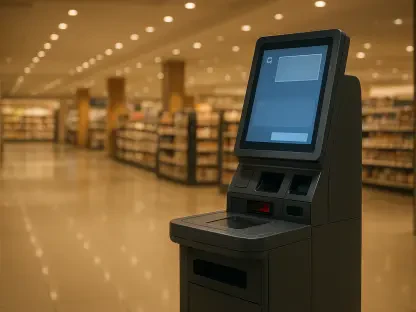
Looking further ahead, the integration of robotics and automation within the physical store environment will revolutionize the backend of the BOPIS process. We are already seeing the emergence of automated pickup towers and sorting robots that handle the heavy lifting of order fulfillment behind the scenes, allowing human staff to focus on high-value customer interactions. These automated systems can operate 24/7, providing a level of efficiency and consistency that is impossible to achieve with manual labor alone. Furthermore, the use of blockchain technology for supply chain transparency is expected to become more common, providing customers with a verifiable record of a product’s journey from the manufacturer to the pickup point. These technological advancements are not merely luxury additions; they are the essential tools that will allow the BOPIS market to scale to $40 million and beyond while maintaining the margins necessary for long-term sustainability.
Strategic Recommendations: Gaining a Competitive Edge
For retailers and stakeholders aiming to capitalize on the multi-million dollar opportunity presented by the BOPIS market, success requires a shift in perspective from viewing pickup as a secondary service to treating it as a core business driver. The first and most critical recommendation is a total commitment to real-time inventory accuracy. In a world where consumers have infinite choices at their fingertips, a single “out of stock” notification after an order has been placed can drive a customer to a competitor permanently. Investing in high-quality RFID tagging and integrated warehouse management systems is no longer optional; it is the fundamental prerequisite for participating in the omnichannel economy. Retailers must ensure that their digital storefronts and physical shelves are perfectly synchronized at all times, providing a reliable experience that builds long-term trust.
Beyond the technological foundation, businesses must also prioritize the physical infrastructure of the pickup experience. The goal should be to create “speed zones” that allow BOPIS customers to move through the store with minimal friction. This might involve dedicated entrances, clearly marked curbside parking spots, or high-tech pickup lockers that allow for 24-hour collection. If a customer chooses BOPIS to save time, and then finds themselves standing in a long line behind traditional shoppers, the primary value proposition of the service is lost. By creating a distinct and efficient path for the hybrid shopper, retailers can ensure that the experience remains positive and repeatable. Additionally, the pickup area should be strategically placed to encourage the “halo effect” mentioned previously, positioning high-margin or impulse items along the path to the pickup counter to maximize incremental sales.
Finally, brands should leverage the BOPIS model as a powerful data-collection tool to drive personalized marketing and operational efficiency. By analyzing the patterns of what customers buy online for store pickup versus what they choose to browse for in person, companies can develop a sophisticated understanding of consumer behavior. This data can be used to create highly targeted promotions, such as offering a discount on a complementary product that can be picked up at the same time as an existing order. Moreover, the insights gained from BOPIS transactions can inform broader inventory strategies, helping retailers decide which items to stock in which locations based on actual local demand. In the coming decade, the most successful retailers will be those who use the BOPIS journey not just as a transaction, but as a continuous source of intelligence that allows them to better serve their customers and stay ahead of market trends.
The Long-Term Significance of Hybrid Commerce
The research conducted into the trajectory of the Buy Online Pick Up in Store (BOPIS) market revealed that the projected growth toward a $40 million valuation by 2035 was rooted in a fundamental reordering of global consumer priorities. The findings indicated that the initial surge in hybrid shopping was not a temporary reaction to global shifts, but a permanent transition toward a model that favored the intersection of digital convenience and physical immediacy. It became clear during the analysis that the retailers who thrived were those who successfully viewed their physical storefronts as versatile fulfillment nodes rather than stagnant showrooms. The study highlighted that the integration of real-time inventory systems and the adoption of diverse fulfillment models like ROPIS were instrumental in reducing operational waste and enhancing the overall value proposition for the modern shopper.
The implications of these findings suggested that the future of the global retail economy was inextricably linked to the continued maturation of the omnichannel framework. The data showed that the “halo effect” generated by in-store pickups provided a vital lifeline for brick-and-mortar locations, proving that physical engagement remained a high-value asset in an increasingly digitized world. Furthermore, the analysis of regional variations demonstrated that while North America maintained a significant lead in market share, the rapid expansion in the Asia-Pacific region signaled a shift toward a more globally balanced and technologically integrated retail landscape. This geographic diversification indicated that the BOPIS model was adaptable to a wide range of economic environments, provided that the underlying digital infrastructure was robust enough to support it.
The investigation into the technological frontiers of the market emphasized that the next decade of growth was likely to be defined by a shift from manual fulfillment to AI-driven automation. The evidence pointed toward a future where predictive analytics and geo-fencing would make the handoff between retailer and consumer virtually seamless, further solidifying BOPIS as the gold standard for efficiency. To remain competitive in this evolving landscape, stakeholders were encouraged to focus on radical inventory transparency and the creation of specialized physical infrastructure tailored to the hybrid shopper. The ultimate takeaway from the market analysis was that the bridge between the smartphone and the storefront had become the most important piece of infrastructure in modern commerce, offering a strategic path forward that honored both the digital needs and physical realities of the global population.
The findings from the analysis suggested that the most effective strategy for the future involved the total integration of customer data to drive personalized experiences at the point of pickup. By utilizing the insights gathered from hybrid shopping patterns, businesses were able to create more meaningful connections with their customers, turning a logistical transaction into a strategic opportunity for brand building. The long-term significance of the BOPIS model was found to be its ability to harmonize the conflicting demands of speed, cost, and service quality, providing a sustainable roadmap for growth in a complex global market. As the industry moved toward 2035, the ability to execute a flawless omnichannel journey was identified as the primary differentiator between market leaders and those who would eventually be left behind by the pace of innovation.
Finally, the study concluded that the growth of the BOPIS market to $40 million was not just a statistical milestone, but a testament to the enduring relevance of the physical store in a digital-first world. The research reaffirmed that consumers continued to value the tactile experience and the immediate gratification offered by local pickup, even as their browsing habits moved further into the digital realm. The successful fusion of these two worlds created a more resilient and responsive retail ecosystem, capable of meeting the demands of an increasingly sophisticated global audience. As logistics costs continued to rise and the expectations for instant service intensified, the hybrid commerce model emerged as the most viable solution for the challenges of the next decade, ensuring that the future of shopping remained a seamless blend of the digital and the physical.