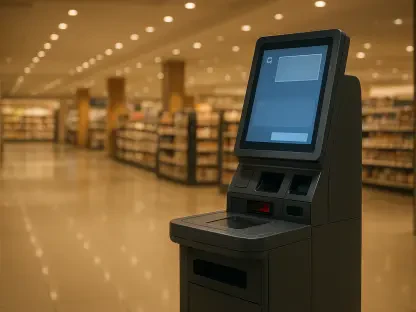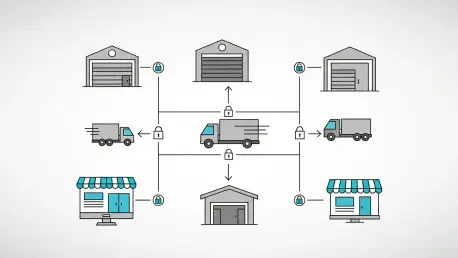

The current landscape of the retail industry is defined by a precarious intersection where rapid digital transformation meets the relentless sophistication of modern cyber-criminality. As retailers across the globe have pivoted toward fully integrated omnichannel models to satisfy the expectations of a digital-first consumer base, they have inadvertently expanded their attack surfaces to unprecedented levels. This transition has moved the industry beyond simple brick-and-mortar operations into a complex ecosystem of web applications, mobile platforms, and interconnected supply chains, each of which presents a unique set of vulnerabilities. While the massive conglomerates once bore the brunt of these digital assaults, the reality of the present market is that small and mid-sized enterprises are now under constant pressure from automated tools capable of identifying and exploiting defensive gaps with frightening speed and precision.
Strategic leaders in the retail space are currently grappling with the immense value of their own data reservoirs, which have become the primary targets for global threat actors. These repositories contain highly liquid information such as credit card details, physical addresses, and personal contact information that can be immediately monetized on the dark web or used for secondary identity theft. In the bustling commercial environment of today, the sheer volume of daily transactions generates a significant amount of digital noise, which hackers skillfully use to mask their malicious activities. This environment allows illegitimate traffic to blend seamlessly with millions of legitimate consumer interactions, making real-time detection a significant hurdle for organizations that lack advanced, automated monitoring capabilities. Furthermore, the persistent burden of legacy infrastructure continues to haunt the sector, as many businesses still rely on aging point-of-sale hardware and back-office software that was never designed to withstand the advanced, multi-stage threats that characterize the current era of cyber warfare.
Identifying the Modern Threat Catalog
Ransomware and Targeted Extortion Tactics
Ransomware stands as the most disruptive force within the retail sector, evolving into a highly strategic tool for extortion that targets a business’s most critical operational windows. Threat actors have become increasingly adept at timing their strikes to coincide with high-volume shopping events such as Black Friday, Cyber Monday, or the final weeks of the winter holiday season. By encrypting essential operational data during these periods, attackers create a high-pressure environment where even a few hours of downtime can result in millions of dollars in lost revenue and irreversible damage to brand reputation. This tactical approach forces many organizations into a difficult position where paying the ransom appears to be the only path toward restoring operations, despite the long-term risk of fueling the criminal ecosystem and painting a larger target on their own backs for future exploitation.
The sophistication of these attacks has also transitioned from simple data encryption to multi-extortion techniques where criminals not only lock systems but also exfiltrate sensitive customer records. If the retailer refuses to pay for the decryption key, the attackers threaten to leak the stolen data publicly, creating a secondary crisis involving regulatory fines and class-action lawsuits. This dual-threat model ensures that the impact of a breach persists long after the immediate technical issues have been resolved. To combat this, modern retail environments are prioritizing immutable backup solutions and rigorous disaster recovery protocols that allow for the restoration of systems without direct interaction with the attackers. However, the sheer speed at which ransomware can spread through a poorly segmented network remains a primary concern for IT departments tasked with maintaining 24/7 availability in a competitive market.
Sophisticated Phishing and Social Engineering
Phishing has moved far beyond the era of poorly worded emails and obvious fake links, becoming a precision instrument for social engineering that targets specific roles within a retail organization. Attackers now conduct extensive reconnaissance to create highly personalized communications that impersonate legitimate vendors, logistics partners, or even internal corporate departments like payroll and human resources. These sophisticated “spear phishing” campaigns are designed to trick employees into surrendering administrative credentials or clicking on malicious attachments that install stealthy backdoors. Once an attacker has secured a foothold through a single compromised account, they can move laterally across the network, seeking out the most sensitive data silos while appearing to be a legitimate user.
The human element remains a significant challenge because social engineering exploits psychological triggers like urgency, fear, or authority rather than technical flaws. In the retail context, where seasonal staff and high employee turnover are common, maintaining a consistent level of security awareness is an uphill battle. Criminals often target temporary workers who may not have received comprehensive training on the organization’s digital safety protocols, using them as an entry point into broader corporate systems. This trend has led to the adoption of continuous, behavior-based training modules that move away from static annual reviews toward real-time simulations. By fostering a culture of healthy skepticism among staff at every level, retailers are attempting to harden their human perimeter against the increasingly convincing lures used by modern threat actors to bypass traditional technical defenses.
Invisible Harvesters and Account Takeovers
Point-of-sale malware continues to be a persistent and insidious threat because it is engineered to operate silently within the memory of payment terminals. This type of “ram scraping” malware captures credit card data during the fleeting moment a transaction occurs, before the information is encrypted for transmission. Because the malware does not interfere with the actual sale, neither the consumer nor the store employee has any indication that a breach is taking place. This allows attackers to harvest millions of records over extended periods, often resulting in massive, coordinated fraud incidents that are only discovered months after the initial infection. For retailers, the discovery of such a breach often leads to a total loss of consumer trust and severe penalties from payment card industry regulators.
Parallel to terminal-based attacks, the industry is witnessing a surge in credential stuffing and account takeover incidents targeting digital loyalty programs and e-commerce accounts. Attackers utilize massive databases of usernames and passwords stolen from unrelated breaches to gain unauthorized access to retail profiles where consumers often reuse their login information. Once inside, criminals can drain loyalty points, use stored payment methods for fraudulent purchases, or change shipping addresses to redirect high-value goods. These attacks are particularly damaging because they exploit the retailer’s own customer convenience features, turning a competitive advantage into a liability. To mitigate this, many businesses are now implementing behavioral biometrics and advanced fraud detection algorithms that can identify bot-like login patterns and flag suspicious account activity before a transaction is finalized.
E-commerce Vulnerabilities and Formjacking
For organizations with a significant online presence, formjacking has emerged as one of the most critical threats to digital storefront integrity. This technique involves injecting malicious JavaScript code into the checkout pages of a website, effectively creating a “digital skimmer” that captures payment details as the customer types them into their browser. Unlike server-side breaches, formjacking occurs on the client side, meaning the retailer’s internal security infrastructure may never see the data being intercepted. This allows hackers to exfiltrate credit card numbers, CVV codes, and personal addresses in real-time without triggering traditional web application firewalls. The rise of third-party scripts for analytics, marketing, and customer service has only increased this risk, as every external integration represents a potential vector for malicious code injection.
The danger of formjacking is exacerbated by the fact that many retailers do not have full visibility into the diverse array of scripts running on their front-end platforms. If a single third-party vendor is compromised, their script can be weaponized across thousands of different retail websites simultaneously. This “Magecart-style” attack methodology has led to a major shift in how e-commerce security is managed, with a renewed focus on subresource integrity and content security policies. Retailers are now required to monitor the behavior of every script on their site, ensuring that no unauthorized data transfers are occurring between the customer’s browser and unknown external servers. As digital shopping continues to dominate the consumer landscape, the ability to secure the client-side experience has become a non-negotiable requirement for maintaining a viable and trusted online brand.
The Strategic Path to Defensive Resilience
AI-Powered Detection and Behavioral Analysis
The massive scale of modern retail data requires a shift away from manual monitoring toward AI-powered threat detection and automated behavioral analysis. Artificial intelligence systems are now being deployed to establish a baseline of “normal” behavior for every user, device, and application within a corporate network. By analyzing trillions of data points in real-time, these systems can identify subtle anomalies—such as a user accessing a database they have never visited before or a sudden spike in data exfiltration during off-hours—that would be impossible for a human analyst to catch. This proactive approach allows organizations to contain potential threats in a matter of seconds, significantly reducing the “dwell time” that attackers typically enjoy inside a compromised environment.
Moreover, AI is being used to automate the triage process for the thousands of security alerts generated by modern retail systems every day. This helps prevent “alert fatigue” among IT staff, ensuring that high-priority threats are escalated immediately while routine anomalies are handled by automated scripts. In the context of fraud prevention, machine learning models are now capable of analyzing transaction patterns across entire regions to identify emerging criminal trends before they impact a specific business. This collective intelligence enables retailers to anticipate attacks rather than simply reacting to them. As the speed of digital commerce continues to accelerate, the integration of autonomous security layers has become essential for maintaining operational continuity and protecting the vast amounts of consumer data generated every second.
Multi-Factor Authentication and Access Control
Implementing robust multi-factor authentication has transitioned from a recommended best practice to a foundational requirement for any retail business operating in the current threat environment. By requiring at least two forms of verification—such as a biometric scan, a hardware token, or a one-time code—retailers can effectively neutralize the danger of stolen or leaked passwords. This is especially critical for protecting administrative accounts that have the authority to modify system settings or access the most sensitive databases. Even if an attacker successfully phishes an employee’s credentials, the lack of a secondary authentication factor prevents them from gaining a foothold within the network. This simple yet effective layer of defense has become a primary deterrent for hackers looking for easy targets.
Beyond authentication, the principle of “least privilege” is being strictly enforced through role-based access controls to limit the potential damage from an internal or external breach. In a modern retail setting, an employee in the marketing department should not have the digital permissions required to access the point-of-sale network or the core financial databases. By restricting access to only the specific tools and data required for a person’s job function, organizations can ensure that a single compromised account does not lead to a total system failure. This granular approach to identity and access management is often paired with “just-in-time” access, which grants elevated permissions only for the duration of a specific task. These strategies collectively create a more resilient architecture where the movement of an attacker is constantly challenged by rigorous verification protocols.
The Necessity of Network Segmentation
The concept of a “flat” network, where every device can communicate with every other device, has become a major liability that retailers can no longer afford to maintain. Modern defensive strategies emphasize the necessity of network segmentation, which involves dividing the corporate infrastructure into smaller, isolated zones. By physically or logically separating the payment processing environment from the general office network and guest Wi-Fi, retailers can prevent attackers from moving laterally through the system. If a hacker manages to compromise a laptop in the corporate office, segmentation ensures that they cannot “jump” into the point-of-sale system to steal customer credit card data. This containment strategy is vital for limiting the scope of any security incident and ensuring that a minor breach does not escalate into a national crisis.
Furthermore, segmentation is increasingly being applied to the growing world of Internet of Things (IoT) devices found in modern retail stores, such as smart refrigerators, HVAC systems, and security cameras. These devices are often poorly secured and represent an attractive entry point for hackers. By placing all IoT devices on a separate, monitored VLAN, retailers can ensure that a vulnerability in a smart thermostat cannot be used to compromise the primary transactional database. This approach to “zero trust” architecture assumes that every device and user is a potential threat until proven otherwise. As retail environments become more complex and interconnected, the ability to isolate critical assets through rigorous segmentation has become a cornerstone of effective risk management and operational security.
Securing the Payment Lifecycle
Securing the entire payment lifecycle now requires a move beyond basic regulatory compliance toward the universal adoption of end-to-end encryption and tokenization. Encryption ensures that sensitive payment data is turned into an unreadable format from the moment a card is swiped or a digital wallet is tapped at the terminal. This data remains encrypted as it travels through the retailer’s network and into the hands of the payment processor, ensuring that even if the information is intercepted by malware, it is useless to the attacker. This technology provides a vital safety net that protects the most valuable transactional data from a wide range of interception techniques. For retailers, implementing this level of encryption is a critical step in reducing their overall liability and ensuring they meet the high standards of modern data protection laws.
Tokenization adds another layer of security by replacing actual credit card numbers with random strings of characters, or “tokens,” within the retailer’s internal databases. If a company’s customer database is breached, the hackers find only these useless tokens rather than actionable financial information. This approach not only protects the consumer but also significantly simplifies the retailer’s compliance requirements, as they are no longer storing the “toxic” data that attackers are looking for. The combination of encryption and tokenization has effectively changed the economics of retail cybercrime, making it much harder and less profitable for hackers to target the payment chain. By removing the incentive for theft, retailers are able to focus their resources on other areas of defensive innovation while maintaining a secure and reliable environment for their customers.
Lessons from the AI Arms Race and Historical Failures
The Dual Nature of Artificial Intelligence
The current era is defined by an ongoing AI arms race where the same advanced technologies used for defense are also being weaponized by sophisticated criminal organizations. While retailers utilize artificial intelligence to identify fraud and monitor network health, attackers are using “offensive AI” to automate the discovery of software vulnerabilities and generate more convincing social engineering content. These malicious tools can scan thousands of web applications per minute, looking for unpatched plugins or misconfigured servers that can be exploited for a breach. This level of automation allows even low-level criminals to launch complex, multi-stage attacks that once required the resources of a nation-state. Consequently, the retail sector must continuously evolve its defensive models to recognize the shifting patterns of AI-driven adversarial behavior.
This dual-use nature of technology means that cybersecurity is no longer a static goal but a dynamic process of constant adaptation. Retailers are increasingly turning to predictive security models that attempt to anticipate how an AI-driven attack might evolve based on current global trends. For example, as attackers use machine learning to create deepfake audio and video for executive impersonation scams, companies are implementing multi-factor verification for high-value financial transfers that bypass traditional digital channels. The goal is to create a defensive posture that is as agile and technologically advanced as the threats it faces. By treating AI as a fundamental component of both their business strategy and their security architecture, retailers are positioning themselves to survive in an environment where the speed of attack and the speed of defense are increasingly governed by algorithms.
Analyzing Legacy Breaches for Future Safety
The current security posture of the retail industry has been deeply shaped by the lessons learned from landmark historical failures, which now serve as a blueprint for modern defensive strategies. High-profile incidents from the previous decade, such as the catastrophic breaches at major hardware and clothing retailers, highlighted the extreme dangers of unmonitored third-party access and the absence of internal network barriers. These legacy breaches demonstrated how a single compromised vendor credential could lead to the theft of tens of millions of card records if the internal network was left “flat” and unprotected. Today, the lessons from those events are codified into global security standards, emphasizing the absolute necessity of vetting every partner in the supply chain and maintaining strict, real-time oversight of all external connections.
Furthermore, these past failures taught the industry that the cost of a breach extends far beyond the immediate technical remediation and regulatory fines. The long-term erosion of consumer trust and the subsequent decline in brand loyalty often proved to be the most damaging outcomes for businesses that failed to protect their customers’ data. Modern retail leaders have internalized these lessons, moving away from a reactive “break-fix” mindset toward a proactive, resilience-oriented strategy. They now understand that cybersecurity is a core pillar of customer service and brand integrity. By studying the mistakes of the past, the industry has developed a more sophisticated understanding of risk management, leading to the implementation of layered defenses that prioritize the protection of data at every stage of its journey through the retail ecosystem.
Human Capital and Continuous Training
Recognizing that the human factor remains a significant vulnerability, retailers have shifted their focus toward continuous, immersive security training as a vital component of their defensive strategy. The old model of a once-a-year training video has been replaced by dynamic, simulation-based programs that challenge employees to identify and report sophisticated phishing attempts in real-time. This is particularly important in the retail environment, where the rapid onboarding of seasonal staff creates a constant flux in the workforce. By fostering a “security-first” culture where every employee understands their role in protecting the company’s digital assets, retailers can turn a potential liability into an active line of defense. This approach empowers staff at all levels to act as the first responders in the event of a suspicious interaction or a technical anomaly.
Beyond basic awareness, many organizations are investing in advanced training for their IT and security teams to ensure they are equipped to handle the complexities of 2026-era threats. This includes specialized education in cloud security, incident response, and the management of AI-driven defensive tools. By closing the skills gap within their own organizations, retailers are better prepared to manage the sophisticated infrastructure required for modern omnichannel commerce. The focus has moved from purely technical solutions to a holistic strategy that recognizes the interdependence of people, processes, and technology. Ultimately, a retail organization’s ability to maintain a strong security posture depends as much on the vigilance of its employees as it does on the quality of its firewalls, making human capital a critical priority for any resilient business.
The Verdict on Future Readiness
The retail industry has undergone a radical transformation in its approach to digital safety, moving from a period of vulnerability toward a state of proactive resilience. The historical breaches that once defined the sector were met with a comprehensive restructuring of how data is handled, stored, and protected throughout the commerce lifecycle. Retailers successfully transitioned away from outdated, legacy-based systems toward modern architectures that prioritize encryption, segmentation, and automated threat detection. This shift was not merely a reaction to external pressures but a strategic recognition that consumer trust is the most valuable asset in a competitive global market. By integrating security into the very fabric of the customer experience, the industry demonstrated that it was possible to innovate at speed while maintaining a high standard of protection for the millions of people who interact with retail platforms every day.
Looking back at the progress made, it is clear that the most successful organizations were those that treated cybersecurity as a core brand promise rather than a burdensome IT expense. They adopted a defense-in-depth strategy that combined cutting-edge technology with a deep commitment to employee education and vendor management. While the threats from sophisticated criminal actors never truly disappeared, the retail sector’s ability to detect and contain these incidents improved exponentially. The transition to AI-driven monitoring and the universal adoption of robust authentication protocols effectively raised the barrier for entry for many attackers. As a result, the retail landscape became a much harder target, and the businesses that invested in long-term security were the ones that thrived, proving that digital safety is an essential foundation for any successful modern enterprise.