
Modern consumers no longer evaluate a purchase based solely on the functional utility of a product but rather on the frictionless nature of the entire interaction journey from discovery to post-purchase support. This shift represents a fundamental transformation in market dynamics where the product itself has become a secondary consideration to the emotional and operational ease provided by the brand ecosystem. In the current economic landscape, the commoditization of quality means that most top-tier goods are functionally equivalent, leaving the user experience as the only remaining frontier for sustainable competitive advantage. Whether navigating a mobile application or interacting with a physical retail space, the expectation is for immediate, intuitive, and highly personalized service that anticipates needs before they are explicitly stated. Brands that fail to acknowledge this reality find themselves rapidly losing market share to agile competitors who prioritize empathetic design and reliability.
The Technological Infrastructure of Empathy
The rapid advancement of artificial intelligence and machine learning has provided brands with the tools necessary to analyze vast datasets and deliver hyper-personalized experiences in real time. In the current era, static marketing campaigns have been replaced by dynamic interaction models that adjust to the specific context of an individual user. For instance, predictive algorithms now allow e-commerce platforms to suggest products with startling accuracy, often anticipating a consumer’s needs before they even search for an item. This level of sophistication is not limited to digital storefronts; it extends into automated customer service agents that utilize natural language processing to resolve complex issues without human intervention. By 2026, these systems have reached a level of maturity where the distinction between human and automated assistance is nearly imperceptible. This technological foundation ensures that every interaction is relevant, timely, and efficient, building brand affinity.
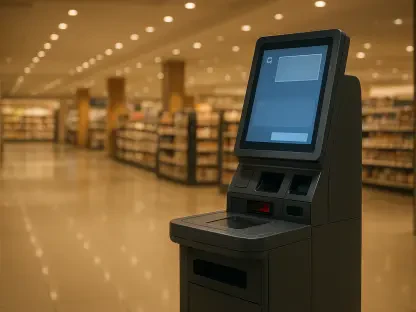
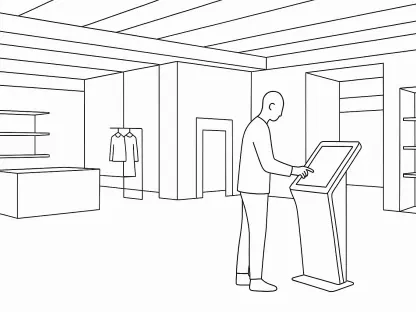
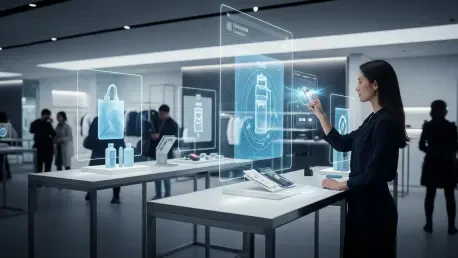
Moreover, the integration of the Internet of Things and augmented reality has created a bridge between the digital and physical worlds, offering a cohesive brand experience regardless of the medium. Retailers are increasingly using smart sensors and beacon technology to provide location-based offers and navigation assistance within physical stores, mirroring the convenience of online shopping. This synergy allows for a seamless transition as a customer moves from researching a product on a mobile device to trying it on in a brick-and-mortar location. Augmented reality applications further enhance this by allowing users to visualize products in their own environment before committing to a purchase, effectively removing the barriers of uncertainty that often lead to cart abandonment. These technologies are no longer experimental novelties but are essential components of a robust strategy. By leveraging such tools, brands can provide a level of immersion that transcends traditional advertising.
Strategic Shifts Toward Unified Customer Journeys
Operational excellence in logistics and fulfillment has also emerged as a critical component of the modern brand experience, as consumer expectations for speed and transparency continue to escalate. In an environment where next-hour delivery is becoming the standard for urban centers, the back-end efficiency of a company’s supply chain is directly linked to its brand reputation. Advanced tracking systems that offer minute-by-minute updates and flexible delivery windows have transformed the final mile from a logistical challenge into a powerful marketing tool. This transparency builds a foundation of trust, as customers feel empowered by the information provided and are less likely to experience the anxiety associated with traditional shipping methods. Furthermore, the ease of returns and the efficiency of the reverse logistics process have become just as important as the initial sale. A brand that simplifies the process of returning or exchanging an item demonstrates a commitment to the customer.
Organizations that successfully navigated this transition prioritized the integration of cross-functional teams to dismantle data silos and foster a culture of deep customer advocacy. They implemented advanced sentiment analysis tools that allowed for real-time adjustments to service protocols based on direct user feedback across multiple social and private channels. By investing in resilient cloud infrastructure, these market leaders ensured that their digital interfaces remained performant and secure during peak traffic periods, thereby maintaining consumer trust and operational stability. Strategic focus was shifted away from short-term conversion metrics toward long-term lifetime value, achieved through consistent and meaningful interactions that respected the user’s time and privacy. These enterprises recognized that the cost of acquisition was significantly higher than the cost of retention, leading to the development of sophisticated loyalty programs that rewarded engagement.