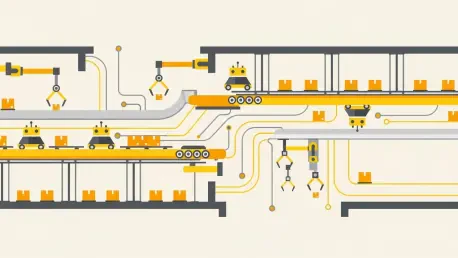

The shift toward automated distribution centers marks a significant turning point for traditional grocery retailers grappling with rising operational costs and the need for lightning-fast fulfillment cycles. Asda is currently navigating a major restructuring of its logistics network, which includes the integration of advanced robotics and specialized software to replace manual labor in key distribution hubs. This initiative aims to streamline the movement of goods from warehouses to storefronts, reflecting a broader industry trend where efficiency is increasingly prioritized over headcount. By modernizing these facilities, the company expects to reduce overhead while simultaneously increasing the volume of transactions processed daily. However, the immediate consequence of this technological leap is the elimination of approximately 1,000 roles within the logistics division, a move that highlights the precarious balance between innovation and workforce stability in the modern economy. It represents a significant pivot.
Navigating the Shift: The Adoption of Autonomous Distribution
The core of this transition lies in the adoption of sophisticated automation technologies that handle everything from palletizing to inventory management with minimal human intervention. Specialized systems like autonomous mobile robots and automated storage and retrieval units are being deployed across regional distribution centers to maximize floor space and minimize error rates. These upgrades are part of a multi-year strategy to phase out legacy systems that have become increasingly difficult to maintain in a competitive landscape. While the initial investment in this hardware and software is substantial, the long-term gains in throughput and accuracy are seen as essential for remaining viable against digital-first competitors. From 2026 to 2029, the rollout will see a total transformation of the primary logistics hubs. This shift also necessitates a workforce with a technical set of skills, focusing more on oversight rather than manual handling. Consequently, the company is reevaluating its footprint.
Addressing the Human Element: Strategies for Industrial Change
Management established clear protocols for supporting affected employees by offering retraining programs that focused on emerging technical roles within the evolving retail landscape. It became apparent that the path forward required a proactive approach to labor management, ensuring that the transition to a high-tech environment did not leave the workforce entirely behind. Future strategies focused on the continuous development of internal talent, emphasizing roles that utilized data analytics and robotics maintenance to bridge the gap between human intuition and machine precision. Companies that successfully navigated these shifts often prioritized transparent communication and robust severance packages while simultaneously investing in local economic revitalization projects. Industry leaders eventually recognized that the successful integration of automation depended not just on the hardware itself, but on the ability to repurpose human capital toward high-value activities that machines could not replicate.