
The traditional velvet rope of the luxury boutique has been replaced by a digital gateway that manages to be simultaneously more accessible and more exclusive than ever before. This modern renaissance represents a departure from the static heritage of the past, as the industry embraces a sophisticated phygital model where artisanal craftsmanship is augmented by high-speed connectivity and data-driven intelligence. In the current landscape of 2026, the global luxury fashion ecosystem is no longer defined solely by the quality of a silk stitch or the rarity of a leather hide but by the seamlessness of the customer journey across every touchpoint. This evolution is driven by a strategic imperative to maintain prestige in a world that demands instant gratification and radical transparency.
The industry now operates as a complex network of heritage houses and tech-forward conglomerates that are redefining the boundaries of the high-end market. While the core segments of clothing, accessories, and footwear remain the primary revenue drivers, the integration of smart retail technology has fundamentally altered how these products are conceived, marketed, and sold. Market leaders like LVMH, Prada, and Kering are no longer just fashion companies; they have transformed into technology-centric organizations that leverage sophisticated algorithms to manage global supply chains and personalize the consumer experience. These players must navigate a regulatory environment that is increasingly focused on digital governance and sustainability, ensuring that the allure of luxury remains untarnished by the complexities of the modern supply chain.
At the heart of this transformation is a commitment to preserving the “human touch” while scaling the reach of the brand. Technology is being utilized not as a replacement for the artisan but as a tool to enhance their work and the customer’s appreciation of it. Whether through artificial intelligence that predicts the next major trend or augmented reality that allows a client in Tokyo to virtually step into a Parisian flagship, the goal remains the same: to create a sense of belonging and exclusivity. As the industry continues to evolve, the distinction between the physical and the digital is becoming increasingly blurred, creating a new standard for excellence that balances historical legacy with future innovation.
Emerging Trends and Quantitative Market Projections
The Rise of Phygital Retail and Consumer-Centric Innovation
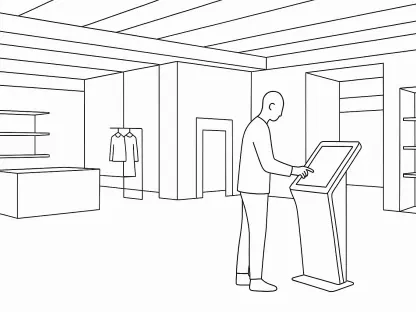
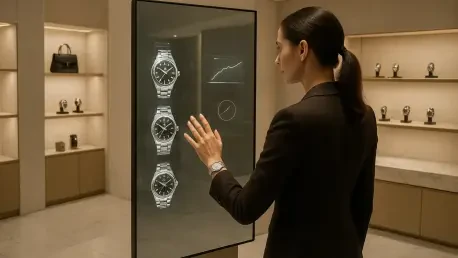
The concept of phygital retail has transitioned from an experimental buzzword to the foundational strategy for every major luxury maison. This trend is characterized by the convergence of physical store experiences with digital convenience, allowing customers to move fluidly between the two realms without losing the sense of personalized service. Augmented reality has become a critical component of this strategy, particularly in the realm of virtual try-on technology. By allowing consumers to visualize how a high-end timepiece or a couture gown looks on them through a smartphone interface, brands have significantly reduced the friction of the online purchasing process. This technological integration has also found a home in physical boutiques, where smart mirrors provide styling suggestions and historical context for individual garments.
Artificial intelligence is playing an equally transformative role by shifting the focus from mass marketing to hyper-personalization. Modern luxury brands are utilizing AI to analyze vast amounts of data, from social media engagement to previous purchase histories, to create bespoke experiences for their most loyal clients. This goes beyond simple product recommendations; designers are now using AI to synthesize cultural trends and consumer feedback, informing the creative process and ensuring that new collections resonate with the zeitgeist. Furthermore, the rise of branded environments in the gaming world has opened a new frontier for consumer engagement. By creating digital assets and immersive experiences within popular virtual platforms, luxury houses are building brand equity with younger generations long before they have the purchasing power for physical goods.
Consumer behavior is also shifting toward a preference for experiences over mere possession, forcing brands to innovate in how they deliver value. This has led to the emergence of digital twins, where every physical purchase is accompanied by a unique digital asset that can be used in virtual environments or as a verified proof of ownership. This dual-layer value proposition appeals to the digital-native consumer who views their online identity as being just as important as their physical one. As these technologies continue to mature, the focus is moving toward creating a persistent brand presence that exists across all platforms, ensuring that the luxury experience is not limited by geography or physical availability.
Economic Forecasts and Segment Performance Indicators
The economic outlook for the luxury sector remains characterized by steady and resilient growth as the market enters a period of normalization after the volatility of the past few years. Current market data for 2026 indicates that the industry is valued at approximately USD 261.0 billion, with a projected trajectory that will see it reach USD 341.0 billion by 2034. This represents a compound annual growth rate of 3.02% for the forecast period of 2026 to 2034. While the pace of growth is more measured than the explosive rebounds seen in earlier decades, it reflects a more sustainable and mature market that is successfully integrating technological efficiencies to drive profitability and long-term value.
Within the product categories, clothing and apparel continue to hold the largest share of the market, accounting for over 50% of total revenue. This segment benefits from the constant cycle of fashion and the enduring appeal of ready-to-wear collections that allow consumers to participate in the brand narrative. However, the accessories segment is emerging as the fastest-growing category, with a projected growth rate that outpaces the broader market. This is driven by the high margins associated with leather goods and the role of accessories as an entry point for aspirational consumers. Footwear also remains a strong performer, supported by the ongoing trend of luxury sneakers and a renewed interest in artisanal, formal styles that reflect a return to traditional elegance.
The distribution landscape is undergoing a significant transformation, with digital channels growing at nearly twice the rate of physical retail. While the brick-and-mortar boutique remains the primary venue for high-value transactions, accounting for nearly 75% of sales, the influence of e-commerce is undeniable. The most successful brands are those that have achieved a balance between their flagship stores and their digital platforms, using the former for brand storytelling and the latter for convenience and reach. Geographically, while traditional markets in Europe and North America remain critical, the center of gravity is shifting toward high-growth regions that are embracing luxury with a new level of enthusiasm and financial power.
Navigating Structural Obstacles and Macroeconomic Volatility
The luxury industry is currently facing a set of unique challenges that require a delicate balance of strategic agility and brand consistency. One of the most significant obstacles is the cooling of the Chinese market, which was once the primary engine of global growth. A shift in consumer sentiment away from conspicuous consumption, combined with a more cautious economic outlook in the region, has forced luxury brands to rethink their over-reliance on a single geographic territory. This has led to a diversification of focus, with brands looking toward emerging markets to compensate for the softened demand in previously dominant areas. Navigating these cultural and economic shifts requires a deep understanding of local nuances and a willingness to adapt marketing strategies without diluting the brand’s global identity.
Macroeconomic volatility, including fluctuating inflation rates and interest rate changes, has also impacted the aspirational consumer segment. These individuals, who typically drive volume for entry-level luxury items, are becoming more selective with their spending, often choosing to invest in wellness or travel rather than physical goods. To counter this, luxury houses are doubling down on their commitment to the ultra-high-net-worth segment, where demand remains relatively inelastic regardless of economic conditions. This shift toward “vicarious exclusivity” means that brands are producing fewer, more expensive items, focusing on scarcity and extreme craftsmanship to maintain their allure. The challenge lies in managing this transition without alienating the broader customer base that contributes to the brand’s cultural relevance.
Furthermore, the industry must grapple with the logistical complexities of a global supply chain that is increasingly under scrutiny. Rising costs for raw materials and artisanal labor are putting pressure on margins, while the demand for faster turnaround times conflicts with the slow, meticulous nature of luxury production. Brands are responding by investing in advanced manufacturing technologies and localizing certain aspects of their production to reduce lead times and carbon footprints. These strategies are not just about cost-cutting; they are about building a more resilient and sustainable business model that can withstand future shocks. Success in this environment depends on the ability to turn these structural obstacles into opportunities for innovation and differentiation.
The Impact of Transparency Standards and Digital Governance
The regulatory landscape for luxury fashion is becoming increasingly stringent, with a focus on transparency, sustainability, and digital security. A major catalyst for this change is the introduction of the Digital Product Passport in the European Union, which is becoming the industry standard starting in 2026. This regulation mandates that every product sold within the region must have a digital record that details its entire lifecycle, from the origin of the raw materials to the methods used in its production and its eventual recyclability. For luxury brands, this represents a significant logistical undertaking, requiring them to gain full visibility into supply chains that were previously fragmented and opaque. However, those that embrace these standards are finding that transparency can be a powerful tool for building trust with a more conscious consumer base.
To manage these new requirements, the industry has turned to blockchain technology as a secure and immutable way to track provenance. The Aura Blockchain Consortium, a collaborative effort between several of the world’s largest luxury groups, has established a standardized platform for digital certificates of authenticity. These certificates do more than just fight counterfeiting; they provide a platform for storytelling, allowing brands to share the heritage and craftsmanship behind each item with the owner. This level of digital governance ensures that the value of a luxury item is protected throughout its life, which is particularly important as the secondary market for high-end goods continues to expand. By providing a verified history of ownership and care, blockchain technology is helping to maintain the premium status of pre-owned items.
In addition to environmental and supply chain regulations, digital governance is also focused on data privacy and security. As luxury brands collect more personal information to drive their AI-powered personalization strategies, they must adhere to strict data protection laws such as the GDPR. Protecting the privacy of their most elite clients is a matter of both legal compliance and brand reputation. Any breach of trust in the digital realm can have devastating consequences for a brand’s image. Consequently, luxury houses are investing heavily in cybersecurity and ethical AI practices, ensuring that their technological advancements do not come at the expense of their customers’ security or autonomy. This commitment to digital integrity is becoming a new pillar of the luxury experience.
Strategic Horizons: Innovation and the Next Frontier of Luxury
The next frontier of the luxury market is being defined by a move toward a truly circular economy and the exploration of untapped geographic regions. As sustainability transitions from a choice to a requirement, the most innovative brands are looking for ways to close the loop on production. This includes developing new materials that are both luxurious and environmentally friendly, as well as launching official resale and repair programs that encourage longevity over disposal. The shift toward a circular model is being supported by the same technology used for the Digital Product Passport, allowing brands to maintain a relationship with their products even after they have left the initial point of sale. This approach not only appeals to the ethical concerns of the modern consumer but also creates new revenue streams in the growing secondhand market.
Geographically, the focus is shifting toward India and the Middle East, which are emerging as the new powerhouses of luxury consumption. In India, a rapidly growing middle class and a burgeoning population of high-net-worth individuals are creating a massive demand for international luxury brands that can successfully blend global prestige with local cultural sensitivity. Similarly, in the Middle East, investments in retail infrastructure and a shift toward domestic consumption are transforming cities like Dubai and Riyadh into global luxury hubs. These regions offer a significant opportunity for growth, but they also require brands to rethink their traditional models and engage with a consumer base that has its own unique set of preferences and traditions.
The technological shift is also moving toward the creation of hyper-immersive digital ecosystems. We are seeing the emergence of virtual ateliers where clients can participate in the design process, and digital twins that act as a gateway to exclusive virtual events and communities. These innovations are not meant to replace the physical product but to add a new layer of value and engagement. In the future, the ownership of a luxury item will be seen as an entry into a holistic lifestyle brand that exists in both the physical and digital worlds. By continuing to innovate at the intersection of technology and craftsmanship, luxury houses are ensuring that they remain the ultimate arbiters of style and status in a rapidly changing world.
Synthesizing the Technological Shift: A Roadmap for Future Growth
The integration of advanced technologies into the luxury fashion sector transformed the industry from a traditional model into a dynamic, data-driven ecosystem. Heritage brands successfully adopted artificial intelligence and augmented reality to enhance the customer experience, ensuring that exclusivity remained a central tenet of their digital strategies. This shift allowed companies to navigate a complex global landscape, balancing the need for modernization with the preservation of artisanal craftsmanship. The adoption of blockchain for provenance and transparency became a baseline requirement for maintaining brand integrity and consumer trust. Leaders in the space recognized that technology was not a threat to luxury but a vital tool for its survival and continued growth.
Economic performance during this period highlighted the resilience of the luxury market, as growth remained steady despite broader macroeconomic shifts. The industry moved toward a more diversified geographic strategy, with significant investments in high-growth regions like India and the Middle East providing a buffer against the softening of traditional markets. Segment-wise, the focus on high-margin accessories and the expansion of the circular economy allowed brands to capture value across the entire product lifecycle. Companies that treated sustainability and digital governance as core business functions rather than secondary considerations found themselves better positioned to meet the demands of a new generation of conscious consumers.
The roadmap for future growth now emphasizes the continued blurring of the lines between the physical and digital realms. Strategic investments in digital twins and immersive virtual experiences provided a new way to engage with a global audience, while the commitment to circularity ensured that brands could grow without an equivalent increase in resource consumption. For stakeholders and investors, the lesson was clear: the most successful luxury houses were those that remained agile, embracing innovation while staying true to their heritage. The industry demonstrated that by leveraging technology to deepen emotional connections with consumers, it could maintain its premium status and continue to define the pinnacle of global retail excellence.