
The rapid escalation of consumer expectations in the fashion industry has created a logistics environment where manual processing can no longer keep pace with the sheer volume of orders and returns. When a single viral social media post can trigger a surge of tens of thousands of orders in mere minutes, the traditional warehouse model faces an existential crisis regarding speed and accuracy. In 2026, the industry is witnessing a massive pivot toward autonomous systems that do more than just move boxes; they are becoming the cognitive backbone of global retail operations. This shift is particularly evident in the high-stakes world of apparel, where SKU proliferation and seasonal volatility demand a level of flexibility that humans alone cannot provide. Robotic integration is no longer a luxury for the elite brands but a fundamental requirement for any entity wishing to survive the transition to a hyper-automated marketplace that operates around the clock.
The Evolution of Micro-Fulfillment Centers: Proximity and Precision
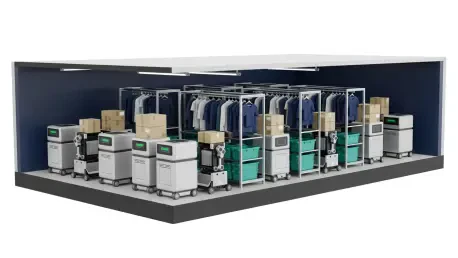
Large-scale distribution centers are increasingly being supplemented by smaller, urban-based micro-fulfillment centers that utilize high-density robotic storage and retrieval systems to slash delivery times. These facilities leverage vertical space through sophisticated grid-based robotics, allowing brands to store thousands of garments in a fraction of the footprint required by traditional shelving. The precision of these systems ensures that the “pick and pack” process occurs in seconds rather than minutes, directly addressing the demand for same-day delivery in metropolitan areas. By positioning inventory closer to the end consumer, retailers effectively reduced the “last-mile” carbon footprint while simultaneously increasing the frequency of turns. The automation software manages the complex logic of which items to prioritize based on real-time browsing data, ensuring that robots move the most popular goods to the front of the picking queue for order dispatch.
Beyond simple storage, the latest generation of picking robots has achieved a breakthrough in handling soft, irregular objects like silk blouses or denim jeans, which were previously a hurdle for mechanical grippers. Advanced tactile sensors and computer vision algorithms now allow robotic arms to identify and grasp individual items with a delicate touch that mimics human dexterity without the risk of fabric damage. This technological leap enabled fashion retailers to automate the most labor-intensive part of the fulfillment cycle, which is the transition from a bulk bin to a shipping mailer. As these systems became more affordable from 2026 to 2028, even mid-tier e-commerce players began integrating cobots that work alongside human staff to handle the heavy lifting while humans focus on quality control. This hybrid approach maximized throughput during peak seasons, where labor shortages traditionally created bottlenecks that delayed shipments.
Optimizing Operations: Strategic Implementation and Future Readiness
One of the most significant drains on fashion profitability has historically been the high rate of returns, a problem that robotics has begun to solve through automated inspection and sorting stations. When a returned item arrives at a facility, high-resolution cameras powered by artificial intelligence analyze the garment for stains, tears, or signs of wear in a matter of seconds. These systems compare the item against a digital twin to ensure its authenticity and condition before directing it to an automated steam-cleaning or folding unit. This rapid assessment cycle significantly reduced the time an item spent in “limbo,” allowing it to be relisted on the website and ready for resale almost immediately. The efficiency gained here is critical, as the value of fashion items depreciates quickly with every passing week they are out of inventory. By automating the triage process, companies minimized the manual labor required to sort through thousands of polybags.
Stakeholders who successfully navigated this transition focused on the interoperability of their robotic hardware with existing warehouse management systems to ensure a seamless data flow. They prioritized investments in modular robotic platforms that could be expanded or reconfigured as business needs changed, rather than opting for rigid, fixed-path automation. Decision-makers also realized that the workforce required upskilling to manage these complex systems, leading to the creation of new roles centered on robotic maintenance and algorithmic optimization. It was clear that the successful scaling of fashion e-commerce relied on a holistic view where technology and human strategy worked in tandem. Companies that audited their logistics bottlenecks and deployed targeted robotic solutions saw immediate improvements in customer satisfaction. To maintain this momentum, leadership teams established a roadmap for continuous updates and stayed informed on machine learning and sensor tech.