
The traditional boundaries between hardware retail and energy distribution have dissolved as major Canadian corporations leverage daily commuting patterns to stabilize their financial performance. In the most recent financial results for the quarter ending October 3, 2026, Canadian Tire Corporation demonstrated that integrating gasoline sales with a sophisticated loyalty ecosystem provides a robust shield against fluctuating consumer discretionary spending. The company reported a significant 5% year-over-year increase in retail revenue, reaching a total of $3.89 billion. This growth trajectory highlights a strategic shift where the gas station serves as more than just a refueling point; it is the primary engine for driving consistent customer frequency. While general merchandise remains a core component of the business model, the real momentum is found in the synergy between fuel services and the broader retail portfolio, ensuring that the brand remains relevant to the everyday needs of modern Canadian shoppers during periods of economic transition.
Fuel Sales: A Catalyst for Gas Station Traffic
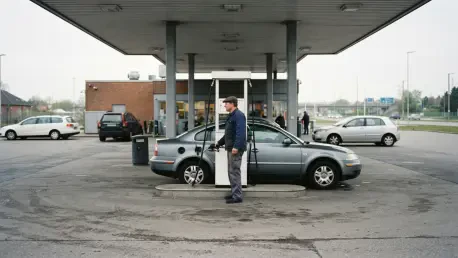
The disparity between performance metrics that include gasoline and those that exclude it offers a revealing look into current consumer behavior and the necessity of fuel assets. Comparable retail sales across all banners grew by 3.2%, yet a closer inspection shows that when gasoline revenue is removed, the revenue growth rate drops from 4.4% to a more modest 1.5%. This stark difference underscores the fact that fuel remains a non-negotiable purchase for the majority of the population, effectively acting as a reliable hook that draws customers to the gas station. For operators in the convenience and gasoline sector, this data confirms that the gas station premises are the most critical touchpoint for maintaining foot traffic even when household budgets for discretionary items like home decor or outdoor gear begin to tighten. By securing the customer at the pump first, the organization effectively bypasses the volatility associated with traditional big-box retail, creating a baseline of activity that fuels other store segments.
Building on the momentum of the fuel segment, the specialized retail banners under the corporate umbrella, such as SportChek and Mark’s, have also shown remarkable resilience by posting comparable sales increases of 3.2% and 3.3% respectively. Perhaps most impressively, the automotive sector achieved its 25th consecutive quarter of growth, proving that vehicle maintenance remains a high priority for consumers even in a complex economic environment. To sustain this trajectory, the company is allocating up to $500 million in capital expenditures for 2026 as part of a larger $2 billion investment strategy through 2028. These steady gains across various departments contributed to a substantial 27.8% rise in consolidated income before taxes, illustrating how a diversified portfolio thrives when anchored by essential services. Modernizing the physical footprint through these investments signals a long-term belief in an integrated retail model that balances service and convenience.
Digital Ecosystems: Driving Loyalty and Resilience
Beyond the physical presence of the gas pumps, the company is finding immense success by aggressively leveraging its digital ecosystem to create a more personalized shopping experience. Loyalty-driven sales rose by 6.3% this quarter, while e-commerce revenue surged by 15.3%, indicating that the digital-first approach is resonating with a tech-savvy demographic. A core component of this strategy is the deep integration between the Triangle Rewards program and Tims Rewards, which effectively captures the three pillars of the commuter economy: fuel, coffee, and quick-service food. By linking these high-frequency habits, the organization is capturing a much larger share of the daily consumer wallet than it could through hardware sales alone. This partnership demonstrates a sophisticated understanding of localized consumer behavior, where convenience is the primary currency. Independent operators can learn from this by seeking out unconventional partnerships that align with the daily routines of their target audience, thereby increasing utility.
The strategic focus on integrating high-frequency essential services with a broad loyalty network provided a clear roadmap for navigating the complexities of the mid-decade retail market. Stakeholders recognized that the combination of fuel and food rewards served as a powerful incentive for customer retention, which ultimately mitigated the impact of softer spending in non-essential categories. To remain competitive, independent retail operators took note of the importance of bundling daily necessities with long-term rewards to create a more resilient business model. Future considerations for the industry involved the expansion of electric vehicle charging infrastructure within existing gas station footprints to ensure continued relevance as energy needs evolved. It became evident that success depended on the ability to interpret real-time data and adjust loyalty offerings to meet the specific demands of local communities. By prioritizing store upgrades and digital integration, companies established a foundation that favored efficiency.