
The traditional constraints of ground-based logistics are rapidly dissolving as automated flight systems transition from niche novelty into a central pillar of global commerce. As of 2026, the transition from experimental pilot programs to full-scale logistics integration is no longer a prospect but a reality. The retail and e-commerce sectors have emerged as the primary catalysts for this expansion, leveraging aerial technology to redefine how goods reach consumers.
Transforming the Logistics Landscape Through Aerial Innovation
Drones now offer a strategic solution for bypassing urban congestion and reaching remote locations that were once difficult to serve. Key market players have moved beyond simple parcel drops, establishing cross-industry adoption in healthcare and complex logistics. This aerial shift has allowed companies to maintain consistent delivery schedules regardless of surface traffic conditions or geographic barriers.
The expansion is further supported by the reliability of autonomous systems in specialized sectors. Healthcare providers, for example, have integrated drones to transport time-sensitive medical supplies, ensuring that critical items are delivered without the delays common to road transport. This multi-industry approach has solidified the drone as an essential tool in the modern logistics toolkit.
Accelerating Growth Through Technological Shifts and Data Forecasts
Key Drivers Reshaping Last-Mile Delivery and Consumer Behavior
The impact of skyrocketing demand for faster, more flexible delivery options has fundamentally altered the retail landscape. E-commerce integration into daily life necessitates higher operational efficiency, pushing businesses toward autonomous solutions. Consumers have shown an increasing willingness to adopt these technologies for food and parcel delivery, valuing speed and convenience over traditional methods.
Projecting Market Milestones and Financial Performance Indicators
Financial projections indicate a steady rise from a 2.88 billion dollar valuation in 2026 to 7.65 billion dollars by 2031. Growth trajectory expectations remain high for the next decade, with the 20 to 50 kilometer range models becoming the market favorite. These specific performance metrics align with the needs of urban and suburban routes, maximizing revenue distribution across diverse delivery paths.
Overcoming Structural Obstacles and Operational Complexities
Addressing technical limitations such as battery life and payload capacity remains a priority for manufacturers. Navigating densely populated urban environments requires sophisticated obstacle avoidance and precise mapping. Consequently, the development of robust infrastructure to support automated take-off, landing, and maintenance has become a focus for urban planners and logistics firms alike.
Moreover, the industry is working to mitigate weather-related disruptions to ensure consistent service reliability. Engineers are developing drones capable of operating in diverse climates, reducing the impact of wind or rain on delivery schedules. These advancements are necessary to maintain the public trust required for widespread commercial adoption.
Establishing a Secure Regulatory Environment for Global Operations
The evolution of flight safety standards and Beyond Visual Line of Sight permissions has paved the way for broader operations. Collaborative efforts between government bodies and private enterprises have been essential in solidifying airspace laws. These partnerships ensure that compliance and security measures remain at the forefront of the industry, facilitating the path to commercial licensing.
Harmonized international regulations could eventually streamline global market entry for drone operators. By creating a unified framework for safety and security, countries can allow for the seamless movement of goods across borders. This regulatory clarity is the final piece of the puzzle for companies looking to scale their aerial delivery networks globally.
Pioneering the Next Phase of Drone Range and Multi-Industry Adoption
The emergence of specialized drones for medical and emergency supplies represents a significant leap forward in navigational precision. Future breakthroughs in AI and automation are expected to enhance these capabilities further, allowing for even more complex flight paths. Shifting global economic conditions and labor costs continue to favor autonomous aerial distribution over manual labor.
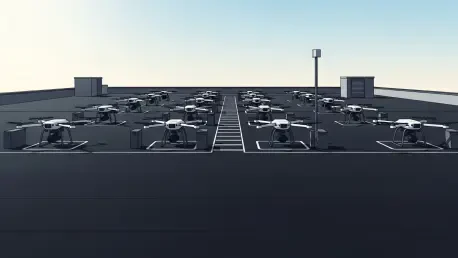
Furthermore, the potential for fully integrated dark stores and automated drone hubs suggests a future where human intervention is minimal. These hubs would serve as central points for loading and maintenance, creating a closed-loop system that operates around the clock. This level of automation will likely redefine the standard for delivery speed and operational overhead.
Solidifying the Role of Autonomous Delivery in Modern Commerce
The industry successfully moved toward long-term supply chain efficiency as drones proved their worth in the global market. Analysts determined that investment opportunities within drone hardware and software sectors remained strong due to the consistent demand for high-speed logistics. Technological innovation and government support ultimately defined the landscape as it evolved toward the 2031 milestone.
Aerial routes became a permanent fixture in the future of logistics, providing a resilient alternative to traditional ground infrastructure. Stakeholders recognized that the next steps involved further integrating AI-driven fleet management to handle increasing flight volumes. This transition shifted the focus of commerce toward a more responsive and decentralized delivery model.