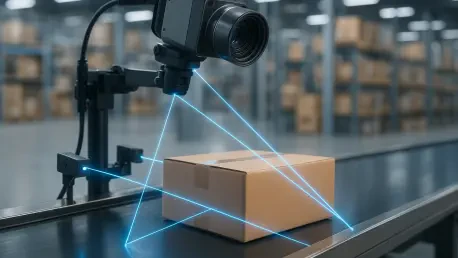

Retailers are projected to lose an estimated $103 billion to fraudulent returns in 2024, prompting Clarity Systems to secure $4.4 million in seed funding for its AI-driven inspection platform. This substantial investment, led by a cohort of strategic partners including specialized venture capital firms, arrives at a critical juncture for the global supply chain. For years, the retail sector has grappled with the rising tide of return fraud, ranging from “wardrobing” to more sophisticated organized retail crime syndicates. Clarity Systems aims to mitigate these losses by deploying a sophisticated layer of computer vision and machine learning directly at the point of processing. By automating the visual verification of returned goods, the company provides a scalable solution that removes human error and subjectivity from the inspection process. This capital injection will facilitate the expansion of their engineering team and accelerate the deployment of their proprietary hardware-software hybrid systems.
Addressing the Logistic Realities of Modern Commerce
The exponential growth of e-commerce has fundamentally altered consumer expectations, making frictionless returns a standard requirement for brand loyalty. However, this convenience has created a massive loophole that many individuals exploit, often bypassing basic security measures with ease. Traditional retail environments once relied on physical storefront employees to verify the condition of an item, but the digital shift has moved this responsibility to massive fulfillment centers. In these high-volume facilities, workers are often pressured to meet strict quotas, leading to superficial inspections that miss subtle signs of damage or product switching. Clarity Systems recognizes that the sheer scale of modern logistics makes manual oversight nearly impossible to maintain without sacrificing accuracy. Consequently, the industry has seen a desperate need for a technological intervention that can keep pace with the millions of packages moving through return hubs daily while maintaining high standards.
Beyond simple consumer opportunism, the rise of return-to-vendor fraud has become a systemic threat to corporate profitability and inventory integrity. Sophisticated bad actors frequently return empty boxes or substitute high-value electronics with weighted replicas, a tactic that often goes unnoticed until the item is resold to another customer. This creates a secondary crisis of brand trust, as legitimate buyers receive counterfeit or broken products through official channels. Clarity Systems addresses this by implementing a multi-modal scanning approach that analyzes weight, dimensions, and visual markers simultaneously. Their platform creates a digital twin of the expected product and compares it against the item in hand with millimetric precision. By establishing a definitive record of the product’s state at the moment of return, retailers can identify repeat offenders more effectively. This proactive stance is necessary for any modern enterprise looking to protect its bottom line and brand reputation.
Implementing Computer Vision to Secure Global Supply Chains
At the heart of the Clarity Systems solution lies a sophisticated neural network trained on millions of product images and historical return data points. Unlike traditional barcode scanners that only verify the identity of a shipping label, these AI-driven cameras can detect microscopic anomalies that indicate an item has been worn or altered. The software utilizes edge computing to process visual information in real-time, providing immediate feedback to warehouse personnel regarding whether a return should be accepted or flagged for further review. This level of granular detail allows the system to distinguish between genuine manufacturing defects and intentional consumer damage, which is vital for fair policy enforcement. Furthermore, the hardware is designed to be non-intrusive, easily mounting above existing conveyor belts to ensure that implementation does not require a complete overhaul of current infrastructure. This capability significantly lowers the barrier to entry for mid-sized retailers.
Integration remained a cornerstone of the Clarity Systems philosophy, as the platform was built to communicate seamlessly with existing warehouse management systems. This connectivity ensured that once a fraudulent return was detected, the information immediately propagated across the organization’s digital ecosystem. By digitizing the evidentiary trail, the platform provided a robust defense against chargeback disputes. This systemic approach moved beyond isolated incident management and helped executives understand broader trends in return behavior. Ultimately, the adoption of this technology provided a clear path forward for retailers struggling to balance satisfaction with security. The data gathered also informed better design decisions for the years spanning 2026 to 2028. Prioritizing computer vision in the supply chain allowed businesses to remain resilient against evolving fraud tactics while protecting their margins. Investing in such specialized infrastructure remained the most effective method for securing long-term profitability.