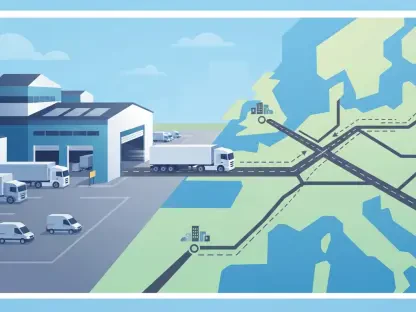

The seamless transition of a digital order into a physical delivery arriving at a doorstep within hours represents a logistical feat that has redefined commerce across the Irish landscape. This monumental shift is anchored by the massive fulfillment center located in Dublin, a facility that serves as the heartbeat of a sophisticated distribution network designed to bypass previous delays associated with cross-border shipping. By establishing a local presence of this magnitude, the operation has effectively eliminated the friction of customs and long-haul transport that once plagued Irish consumers. The sheer scale of the hub allows for an unprecedented inventory of millions of items to be housed within the borders of the Republic, ensuring that the promise of next-day or even same-day delivery is a consistent reality rather than a rare exception. This facility does not merely store goods; it integrates advanced sorting technologies and real-time data analytics to orchestrate a dance of efficiency that moves at a pace previously unseen in the region.
Advanced Robotics and Localized Logistics: The Core Technology
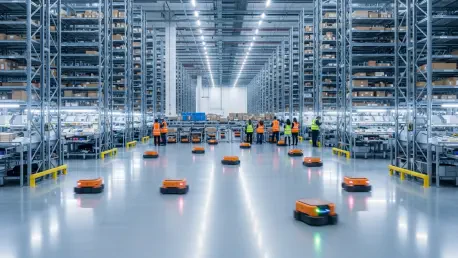
The internal machinery of the Dublin hub utilizes a proprietary fleet of autonomous mobile robots that navigate the warehouse floors with surgical precision to retrieve items for packaging. These units work in tandem with human associates, drastically reducing the time required to process a single order from the moment a customer clicks the purchase button. By employing machine learning algorithms to predict demand patterns, the facility optimizes its shelf space, placing high-velocity items closer to the packing stations to shave off precious seconds during peak hours. This technological integration ensures that the facility can handle tens of thousands of packages simultaneously without the bottlenecks that typically characterize traditional warehousing models. Furthermore, the localized nature of the hub means that these sorted packages are immediately funneled into a dedicated delivery network, bypassing the traditional postal delays that often occur when items are shipped from international sites.
Beyond the speed of sorting, the facility incorporates a robust green energy infrastructure that aligns with modern environmental standards and regional carbon reduction targets. The rooftop is adorned with thousands of solar panels that generate a significant portion of the electricity required to power the robotics and climate control systems. This commitment to sustainability extends to the delivery fleet stationed at the hub, which is increasingly comprised of custom electric delivery vans designed for the narrow streets and urban sprawl of Dublin and its surrounding counties. Charging stations integrated into the loading bays ensure that the logistics chain remains carbon-efficient from the warehouse floor to the final mile. This holistic approach to infrastructure demonstrates that high-speed delivery does not have to come at the expense of environmental responsibility, setting a new benchmark for industrial operations in Ireland. The integration of these systems represents a significant investment in the long-term viability of Irish e-commerce.
Economic Integration and the Small Business Ecosystem
The presence of such a massive facility has generated a ripple effect throughout the local economy, creating thousands of permanent roles ranging from logistics management and software engineering to hands-on fulfillment tasks. These positions come with competitive benefits and specialized training programs that upskill the local workforce in high-tech warehouse management systems. This influx of capital and employment has revitalized the surrounding industrial zones, attracting secondary service providers such as maintenance firms, catering services, and security agencies. The economic impact is not limited to direct employment; the increased activity has necessitated improvements in local infrastructure, including road upgrades and enhanced telecommunications networks that benefit the wider community. By anchoring its operations in Dublin, the company has effectively woven itself into the fabric of the Irish economy, fostering a symbiotic relationship where corporate growth and regional development are closely linked through shared interests and investments.
Furthermore, the Dublin hub serves as a critical launchpad for small and medium-sized enterprises across Ireland that utilize the fulfillment services to reach a global customer base. Local artisans and manufacturers can store their products within the facility, gaining access to the same world-class logistics network used by major international brands. This democratization of distribution allows Irish businesses to compete on a level playing field, offering their customers rapid delivery speeds that were previously impossible for smaller entities to achieve independently. The system manages the complexities of storage, packing, and shipping, freeing up local entrepreneurs to focus on product innovation and brand development. Consequently, the volume of Irish-made goods exported through this hub has seen a steady increase, showcasing the potential for digital platforms to amplify the reach of local craftsmanship. This integration fosters a diverse marketplace that rewards quality and reliability, ensuring that the benefits of the massive logistics investment are felt across the entire business spectrum.
Strategic Planning: Resilience and Future Considerations
The establishment of the Dublin fulfillment center successfully bridged the gap between consumer expectations and logistical capabilities in the Irish market. It demonstrated that localized infrastructure is the most effective solution for overcoming geographic and regulatory hurdles in the modern era of commerce. Moving forward, businesses should prioritize the adoption of data-driven inventory management to synchronize their stock with regional demand hubs. For policy makers, the focus must shift toward supporting the development of specialized industrial zones that can accommodate the high energy and connectivity demands of automated logistics. The transition to a decentralized distribution model proved to be a decisive factor in maintaining supply chain resilience during periods of global volatility. Stakeholders should now look to invest in secondary regional hubs to further decentralize the network and reduce transit times to the more remote areas of the country. By analyzing the success of this facility, other industries can glean valuable lessons on integrating automation with human capital to drive efficiency and sustainable growth.