
The October 29 implementation deadline serves as the foundation for future mandates that may include plain packaging and the requirement to hide products behind retail gantry covers. This sweeping legislative overhaul, known as the Tobacco and Vapes Act 2026, marks a definitive turning point in the

The transition to a digitized retail model in Ciego de Ávila has been characterized by local critics as a crude way to pretend the province is complying with modernization. The inauguration of the El Jupuro market, situated at the busy intersection of Carretera Central and Honorato del Castillo,

Fragmented financial systems often prevent retailers from scaling efficiently due to the technical overhead required to manage multiple third-party payment providers. In the rapidly evolving British commerce sector, the necessity of maintaining a lean operational model while simultaneously
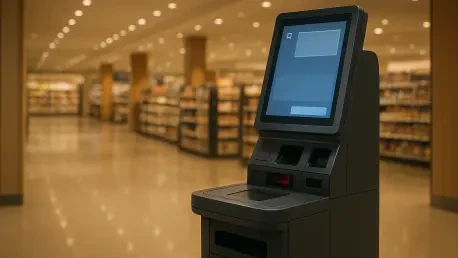
A single supermarket transaction in Belgrade now triggers a highly synchronized sequence involving barcode scanning, weighing scales, loyalty verification, and real-time tax reporting. This operational complexity highlights how far the Serbian retail technology sector has progressed, transitioning

The retail landscape has undergone a tectonic shift where the digital storefront now acts as the front door to the physical shop, creating a symbiotic relationship that redefines traditional shopping metrics. Contemporary retail is no longer defined by a binary choice between online and offline
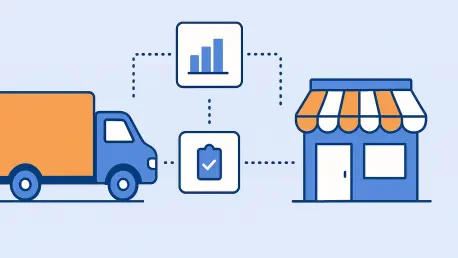
The retail environment is currently grappling with an unprecedented surge in data complexity that often outpaces the analytical capabilities of traditional management systems. The strategic roadmap for 'Uvance for Retail' involves optimizing the entire supply chain to eliminate waste and prevent