
Zainab Hussain is a distinguished e-commerce strategist whose deep understanding of consumer engagement and operations management has made her a leading voice in the evolution of modern retail. With years of experience navigating the shift from traditional brick-and-mortar models to the digital-first era, she provides a unique perspective on why physical storefronts are currently undergoing their most significant transformation in decades. In our discussion, Zainab explores the profound transition of American downtowns—like Ridgewood, New Jersey—where traditional goods-based shops are being replaced by service-oriented businesses including medical spas, Pilates studios, and high-end eateries. She breaks down the latest market data showing a major shift in “share of wallet” toward experiences, the sensory importance of physical “strolling” that algorithms cannot replicate, and how local entrepreneurs are reinventing the concept of a shop to survive in the age of one-click purchasing.
How are you seeing the fundamental DNA of American downtowns change as they shift from traditional retail storefronts toward more service-oriented businesses?
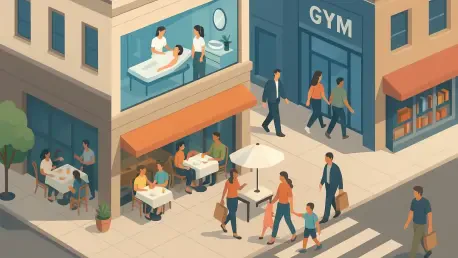
The transformation of our “Main Streets” is nothing short of a total reimagining of what a downtown district is supposed to provide for its community. Take a place like Ridgewood, New Jersey, where the iconic East Ridgewood Avenue used to be a hub specifically for shopping, but is now becoming a destination for living and doing. We are seeing a landscape where you can no longer just buy a gift; you are now more likely to visit one of the town’s eleven barbershops, a boutique fitness studio for stretching, or a medical spa. The physical buildings themselves are telling the story of this evolution; for instance, a space that once housed a family-run ski shop since 1968 has been converted into a vibrant sushi spot, while an old bank with its original vault and deposit boxes has found new life as an Italian-inspired restaurant with a trendy rooftop bar. This shift represents a move away from the “big-box” wave and the “bank wave” of the past, focusing instead on things that require a physical presence, such as getting a haircut, a manicure, or sitting down for a meal at one of the over one hundred local eateries.
With real estate data showing retail tenants declining for three years straight in major metropolitan areas, what does the transition to the majority of retail space being service-based tell us about the modern consumer?
The numbers from firms like CoStar are quite striking, marking the first time in history that the majority of U.S. retail space is leased to service-based tenants rather than those selling physical goods. This tells us that the “share of wallet” has fundamentally tilted toward experiences and personal wellness, especially among wealthier spenders who are driving the demand for Pilates studios, escape rooms, and virtual golfing. Even consumers who are looking to save money are often “trading down” on their physical purchases specifically so they can redirect those funds toward an afternoon outing or a specialty treat, like a visit to a yogurt shop or a milkshake factory. While the pandemic temporarily paused this movement, it has roared back because people are increasingly viewing their time spent outdoors as a form of entertainment rather than a chore. When almost any physical product can be acquired with a single click from a phone, the physical storefront has to offer something that cannot be shipped in a cardboard box, leading to a ballooning of the personal service and entertainment sectors in the twenty largest metropolitan areas.
Local business owners often worry that a “restaurant-heavy” downtown might discourage the traditional browsing that sustains retail; how can service businesses and shops actually create a symbiotic relationship?
There is a valid concern that if people only come downtown to eat at a specific restaurant, they might just park, dine, and leave without exploring the rest of the street. However, we are seeing a very successful synergy in Ridgewood between trendy food spots and long-standing retailers, such as the relationship between a new, popular bakery and the local bookstore, Bookends, which has been an institution since the 1980s. The manager there has noted that when the bakery opened across the street, it actually funneled new foot traffic into his store, as people finishing their coffee would see the open door and decide to wander in. You often see mothers with small children leaving a café and heading straight for the bookstore’s basement or the kids’ section to linger over activity books and Legos, creating a multi-stop journey that benefits everyone. This “halo effect” suggests that while the math of a downtown is different than a mall—which adds gyms and clinics to draw regular crowds—the right mix of food and services can act as the ultimate “anchor tenant” for a traditional retail block.
For the remaining physical retailers who are determined to stay relevant, what specific tactile or emotional strategies are necessary to compete with the convenience of online shopping?
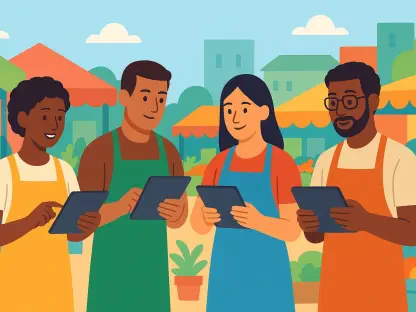
The retailers who are thriving today are those who understand that they are selling a feeling and a personal connection rather than just an inventory of items. I look at Gina Jeon, who runs a jewelry store called Hot Jewelry Box, where she treats her shop like a living, breathing gallery by rearranging a different section of the store every single day. By allowing customers to pick out specific crystals, gemstones, silver, and gold to custom-make their own beaded chains, she offers a level of tactile involvement and personalization that a website simply cannot provide. This hands-on experience discourages the “duped” feeling consumers get when they see marked-up prices on Instagram; instead, they get the sensory satisfaction of touching the materials and seeing the craftsmanship in person. When a customer returns twice in two days just to buy a different color of a necklace they loved, it proves that the emotional bond formed through a physical interaction is far more potent than any digital algorithm.
We often hear the phrase “you can’t stroll Amazon”—could you elaborate on why the sensory experience of a physical street remains a vital part of our social fabric despite the digital surge?
The act of “strolling” is a multisensory experience that serves as a vital social lubricant, connecting the community to its history and to each other in a way that scrolling through a screen never will. In a town where you can reach the center within five to ten minutes of driving, the downtown becomes the “proverbial Main Street” where generations of families interact, like the shoppers who grew up visiting local jewelry stores as children and now return as adults with their own families. There is a specific joy in pushing a stroller past storefronts on streets named after Walnut or Oak trees, peering into windows just to see what is new, and stopping for a spontaneous treat at a place like Maroons Creamery. This environment allows for the “mix and match” of a day—shopping for plants at a sunroom shop, browsing a bookstore, and grabbing a yogurt—which provides a sense of discovery and “something to do” that Instagram’s curated feed can’t replicate. People are inherently social creatures, and the downtown provides the stage for these small, meaningful physical interactions that keep a community feeling like a home rather than just a zip code.
What is your forecast for the future of Main Streets as they continue to integrate medical spas, fitness studios, and niche food concepts into their core identity?
I believe we are entering an era of “The Curated Lifestyle District,” where the most successful downtowns will no longer be defined by the number of clothing stores they have, but by how well they cater to the daily wellness and social needs of their residents. We will likely see a continued rise in specialized health services like stretching studios and medical spas, which will become as common as the traditional hardware store or pharmacy used to be. The survival of traditional retail will depend on “micro-experiences”—shops that function more like workshops or community hubs where people can customize their goods on-site. While some may worry that the loss of “beautiful boutique shops” takes away from a town’s value, the reality is that the influx of over a hundred restaurants and dozens of coffee shops is creating a more resilient, 24/7 ecosystem that keeps foot traffic consistent throughout the week. My forecast is that downtowns will become even more service-heavy, but the retailers who remain will be high-touch, high-concept anchors that turn a simple walk to the train station into a rich, exploratory journey.