
The transition from physical plastic to embedded digital architecture marks a fundamental shift in how global retail chains manage their infrastructure and consumer touchpoints today. This evolution represents more than just a hardware upgrade; it is a systemic reorganization of telecommunications designed for an era where agility determines market survival. By moving away from fixed physical cards, retailers have unlocked the ability to treat connectivity as a software-defined asset that scales on demand.
Understanding eSIM Technology in the Retail Environment
The core principle of the embedded Subscriber Identity Module (eSIM) lies in its ability to store multiple carrier profiles on a single, permanent chip soldered directly into a device. This technology utilizes a standardized global architecture that separates physical hardware from service provider credentials. Such a distinction is crucial for modern retail environments that increasingly rely on a dense web of interconnected devices.
As businesses move toward fully integrated omnichannel strategies, the logistical burden of managing thousands of physical SIM cards has become unsustainable. Transitioning to remotely manageable digital profiles allows for a level of centralized control that was previously impossible. This shift transforms connectivity from a potential bottleneck into a seamless utility that supports rapid growth across varied markets.
Technical Pillars of Modern Retail Connectivity
Modern infrastructure depends on a robust foundation of digital access that traditional telecommunications models can no longer provide. This section examines the specific functionalities that allow eSIMs to outperform their physical predecessors in high-pressure retail settings.
Remote Provisioning and Profile Management
Remote provisioning functions through Over-the-Air (OTA) updates, allowing IT departments to push new configurations to devices regardless of their location. This enables businesses to deploy hardware like mobile scanners and connect them to networks instantly without manual intervention by store staff. By automating the activation process, retailers significantly reduce the time required to bring new locations online.
Scalable Multi-Network Access for Global Operations
Technical performance depends on the ability to switch between carriers to maintain high-speed data while avoiding roaming fees. This multi-network access provides a safety net for cross-border logistics, ensuring that essential enterprise applications remain accessible. The capacity to switch providers dynamically offers a level of operational resilience that physical SIM cards simply cannot match in a globalized economy.
Emerging Trends and Shifting Industry Standards
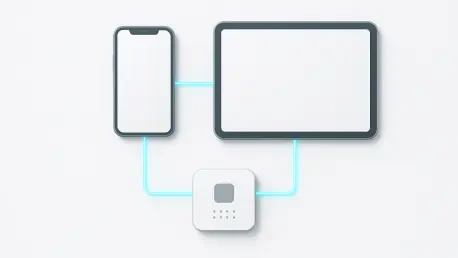
Current developments are moving toward centralized connectivity hubs that aggregate data from various retail endpoints. This trend is driven by an increasing reliance on cloud-based Point of Sale (PoS) systems, which require constant, high-bandwidth connections to synchronize data in real time. Integration with centralized management platforms allows for more sophisticated monitoring of network health across an entire fleet of devices.
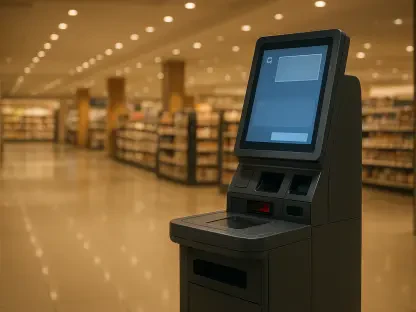
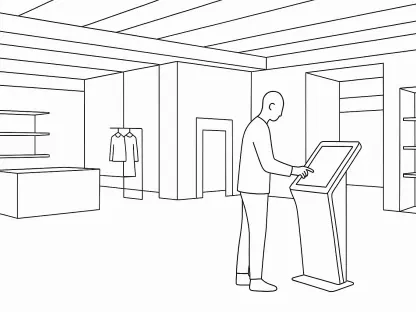
Moreover, consumer behavior has pivoted toward a growing expectation for mobile checkouts and immediate data access. Retailers are responding by deploying handheld devices and interactive kiosks that demand the reliable, low-latency connectivity that eSIM technology provides. This shift is a response to a market where the boundaries between physical and digital shopping experiences have become almost entirely transparent.
Real-World Applications and Use Cases in Retail
The deployment of eSIM technology is highly effective in temporary setups such as pop-up shops, seasonal kiosks, and trade shows. These environments often lack established wired infrastructure, making mobile data the only viable option for operations. The ability to activate local data plans within minutes allows retail teams to focus on customer engagement rather than troubleshooting network hardware.
In the IoT realm, eSIMs power specialized applications including electronic shelf labels and smart refrigeration monitors. These devices often reside in environments where traditional Wi-Fi might be unreliable or difficult to secure. By utilizing a dedicated cellular connection, retailers ensure that automated asset trackers and security sensors remain online, providing a constant stream of actionable data from the store floor.
Navigating Technical Hurdles and Market Obstacles
Despite its advantages, the technology faces certain obstacles regarding compatibility with legacy hardware that remains prevalent in many older retail branches. Upgrading an entire ecosystem requires significant capital expenditure and a phased approach to integration. Furthermore, the security of digital profiles remains a focus, as remote provisioning necessitates robust encryption to prevent unauthorized manipulation.
Ongoing development efforts are currently focused on mitigating these limitations through hybrid solutions and standardized security protocols. Industry leaders are working to streamline the integration process, ensuring that the transition from traditional setups is as frictionless as possible. These advancements are essential for businesses that need to maintain high security standards while adopting more flexible connectivity models.
The Future Outlook of Digital Connectivity
Looking ahead, eSIM technology will serve as the backbone for the next generation of cashierless stores and AI-driven inventory management. These high-tech environments require massive real-time data processing, which depends on a stable and scalable network foundation. The role of digital connectivity will only expand as retailers integrate more autonomous systems to optimize supply chains.
The reduction in plastic SIM card production offers a clear path toward more environmentally responsible business practices. In a globalized market, the ability to manage a worldwide network of devices through a single digital interface is a strategic necessity. The ongoing refinement of this technology will continue to drive innovation, allowing retailers to operate with greater agility across different regions.
Summary and Final Assessment
The transition toward a more automated and agile retail sector highlighted the undeniable value of software-defined connectivity. Throughout this review, the focus remained on how digital SIM profiles replaced the logistical constraints of physical hardware with a scalable framework. Retailers that embraced this shift found themselves better equipped to handle the demands of a data-driven marketplace, particularly regarding IoT integration and rapid mobile deployment.
The assessment favored the adoption of eSIM technology as a critical component for any competitive retail strategy. While initial integration costs and hardware compatibility issues presented challenges, the long-term benefits of reduced overhead and enhanced flexibility outweighed these concerns. Strategic planning eventually required a complete audit of legacy systems to ensure future compatibility with these digital standards. The evidence suggested that moving away from traditional telecommunications models provided the necessary resilience to thrive in a global market.